How to choose.
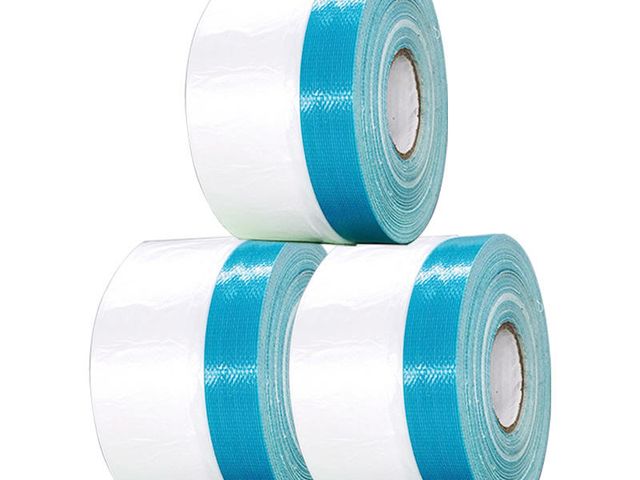
Blast media cuts through ordinary masking tape in seconds — that is precisely what it is accelerated to do to paint and scale. Rubber-backed cloth tape survives because it works differently: a thick, resilient rubber face absorbs and rebounds the media instead of being cut by it, while the cloth carrier holds the strip together and keeps it anchored.
Where it fits in the process
Use blasting tape to protect machined faces, threads (over a plug), gasket lands and adjacent finished surfaces while the rest of the part is blasted clean. After blasting it is removed and replaced by the appropriate coating mask — blasting protection and coating masking are different jobs with different materials, usually on the same part in sequence.
Choosing the grade
Media type and blast pressure drive the choice. Standard rubber-backed grades handle sand, aluminum oxide and glass bead at common pressures; reinforced grades add life for coarse grit or long exposure. Tell us your media, nozzle pressure and exposure time and we will match the grade rather than sell you more tape than the job needs.
Practical notes
Press edges down firmly — blast media finds any lifted edge. On critical features, combine tape over a plug or cap so the geometry, not just the surface, is protected. Blasting tape is a single-use consumable; budget it per blast cycle.