How to choose.
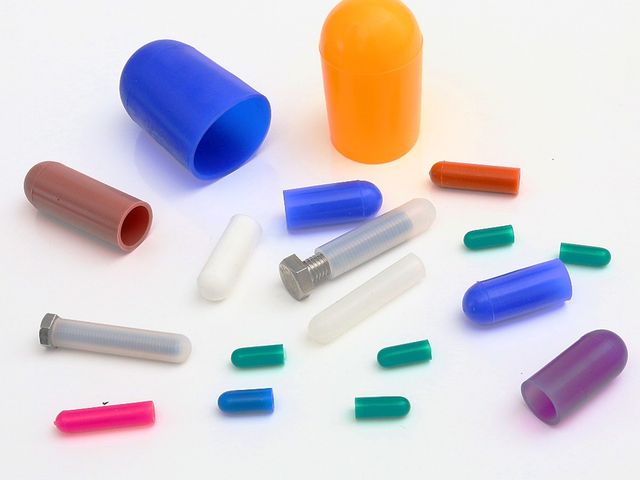
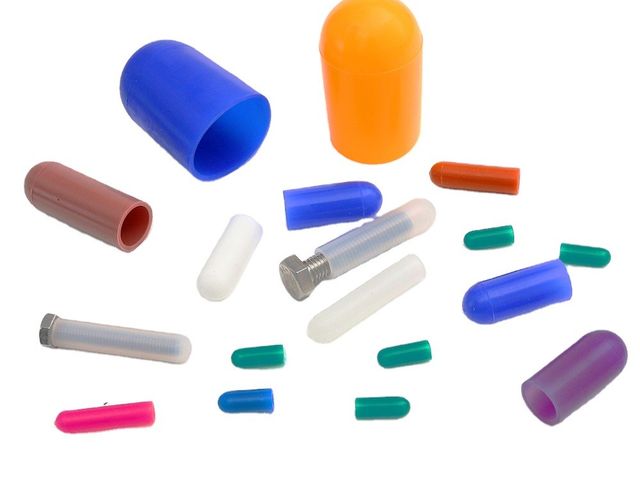
EPDM (ethylene propylene diene monomer) rubber fills the gap between single-use vinyl parts and premium silicone. It seals holes, threads and studs the same way silicone does — by elastic compression — but at a material cost that makes a real difference on high-volume lines that never see powder-coating oven temperatures.
Where EPDM earns its place
Plating and anodizing lines are EPDM territory: the chemistry resistance of EPDM against acid and alkaline baths is excellent, and bath temperatures sit far below its limit. E-coat lines with moderate bake schedules and air-dry or low-bake paint systems are equally good fits. If your process card says 150°C or less at the mask, EPDM should be your default quote request.
The one hard limit
Powder coating cure ovens — typically 180–200°C — exceed what EPDM tolerates repeatedly. An EPDM cap that goes through a powder oven will harden, crack and eventually fail to seal, usually at the worst possible time. For any repeated oven duty, step up to silicone; the price difference disappears after a handful of avoided rework incidents.
Specifying EPDM masking
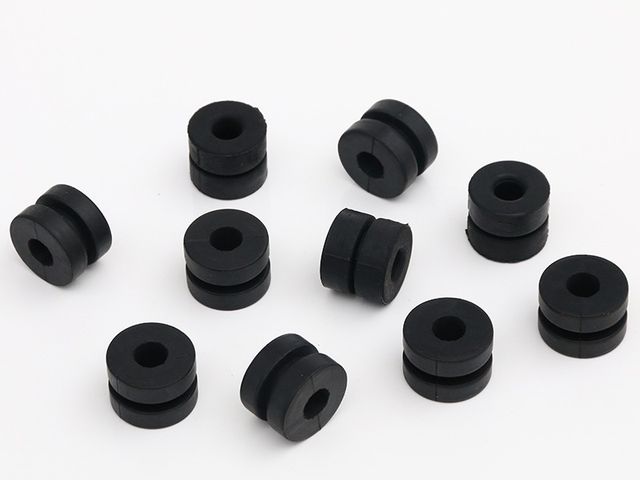
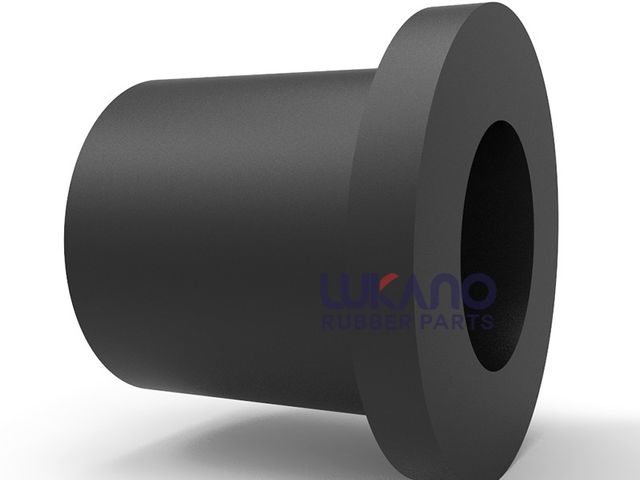
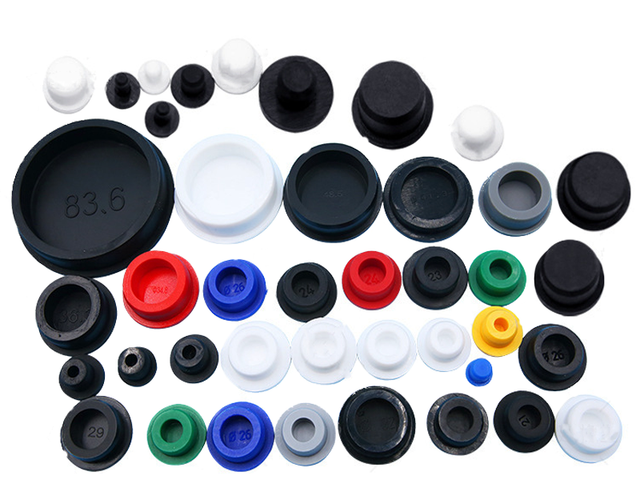
As with silicone, we quote from the feature dimension, process, temperature and volume. Because EPDM parts often go into chemical baths, also tell us the bath composition — we will confirm compatibility rather than guess. Custom sizes are molded to order; standard caps and plugs ship from stock ranges.