How to choose.
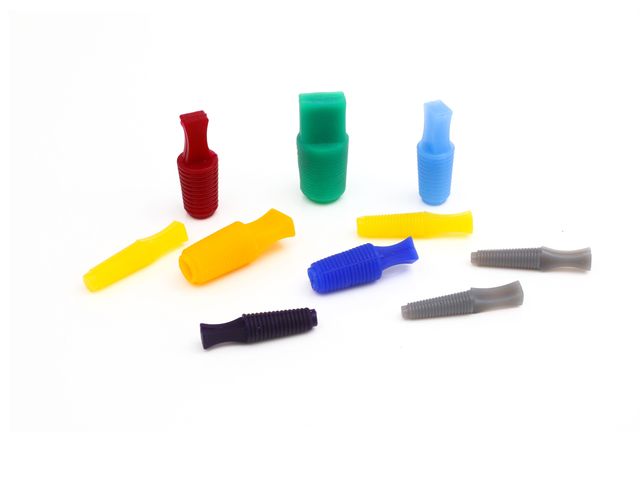
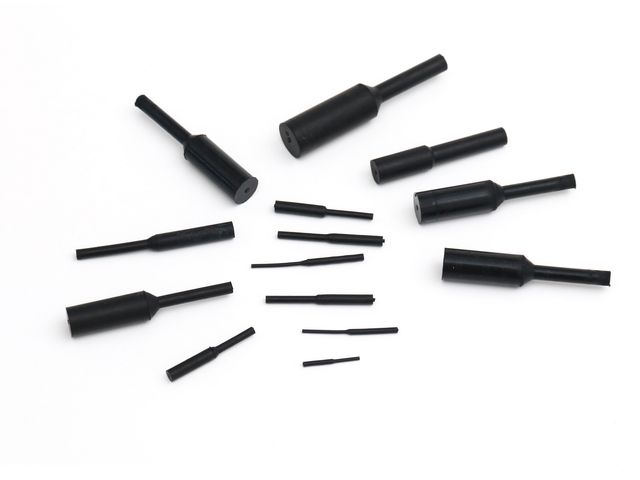
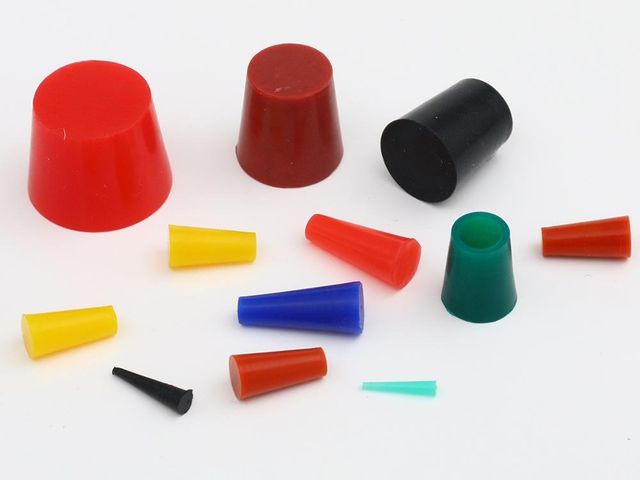
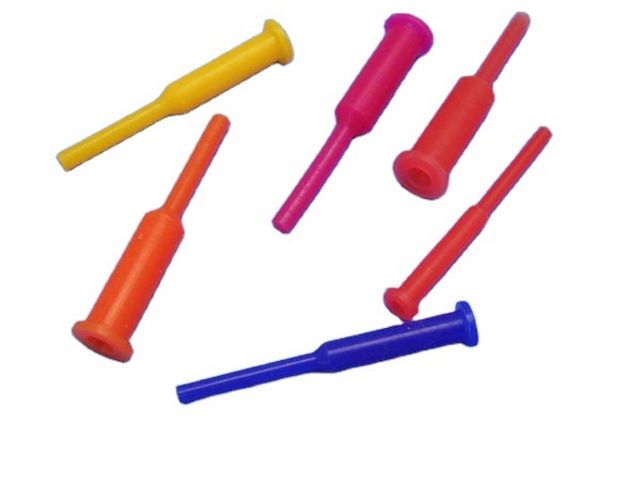
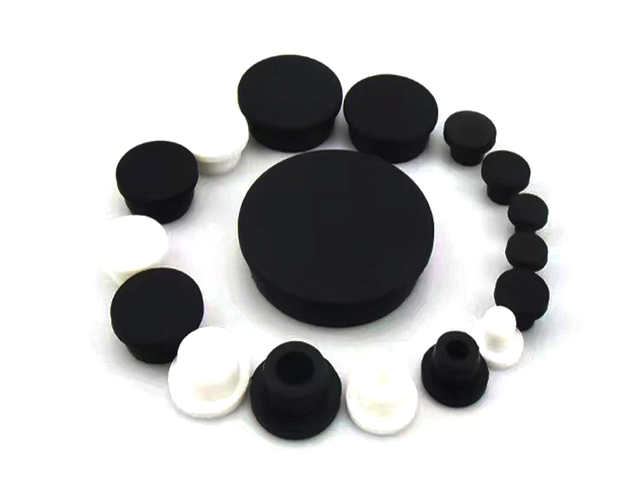
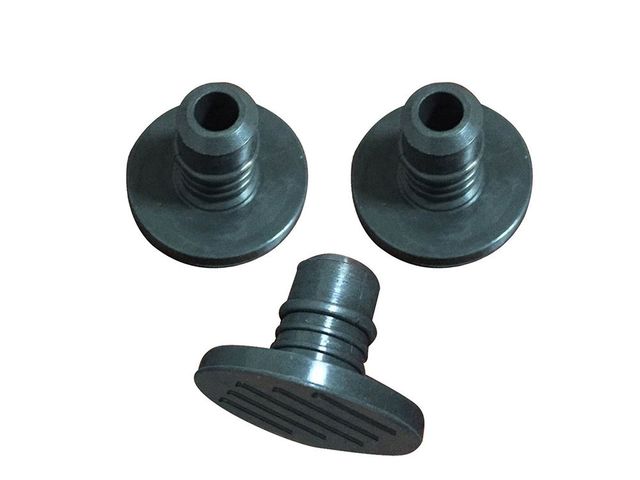
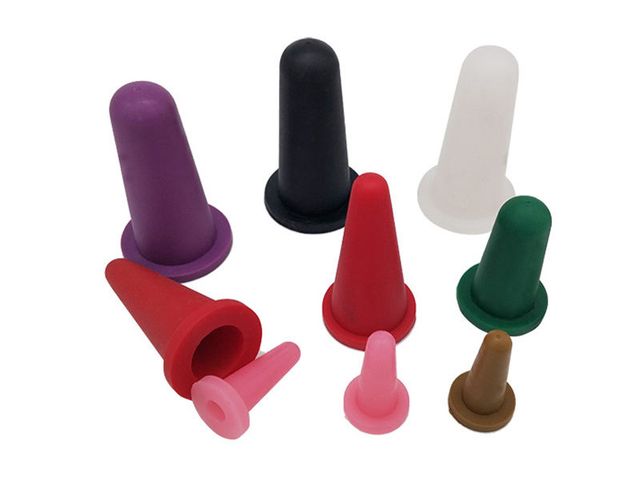
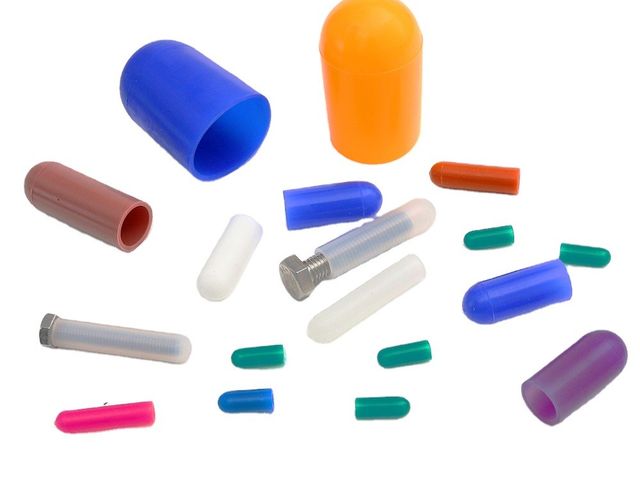
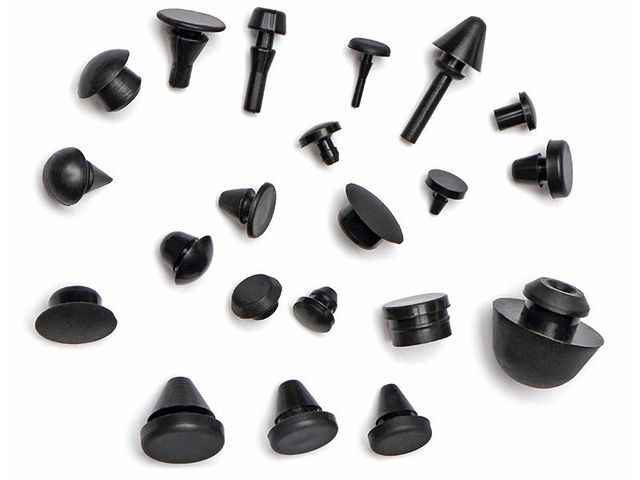
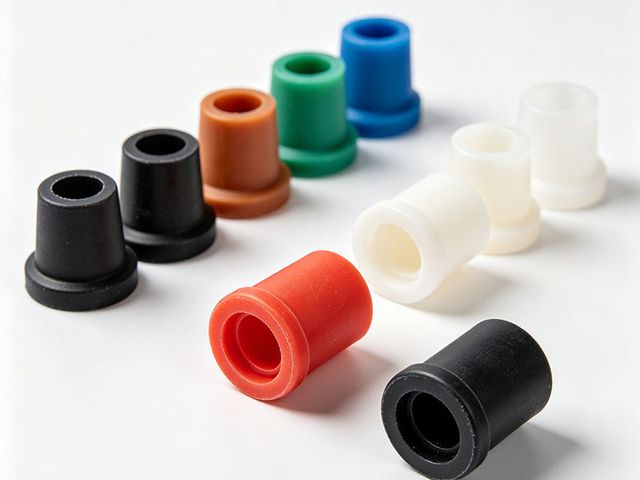
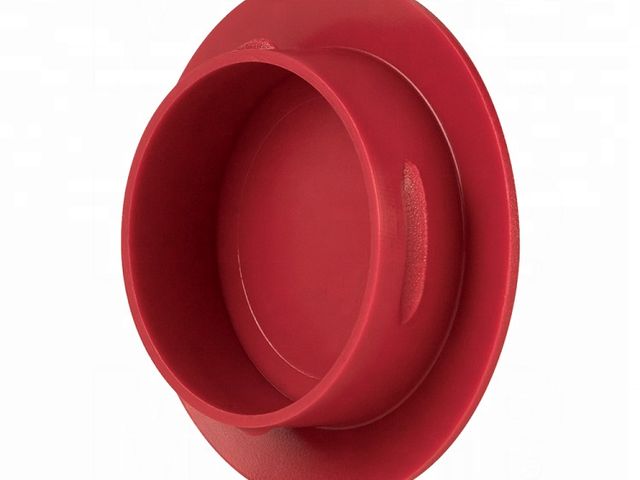
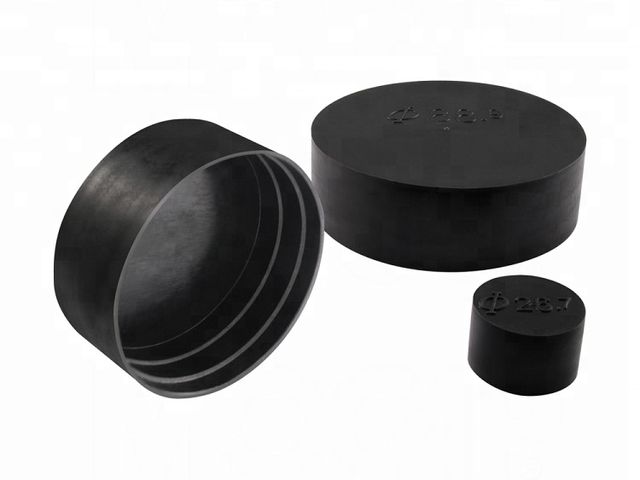
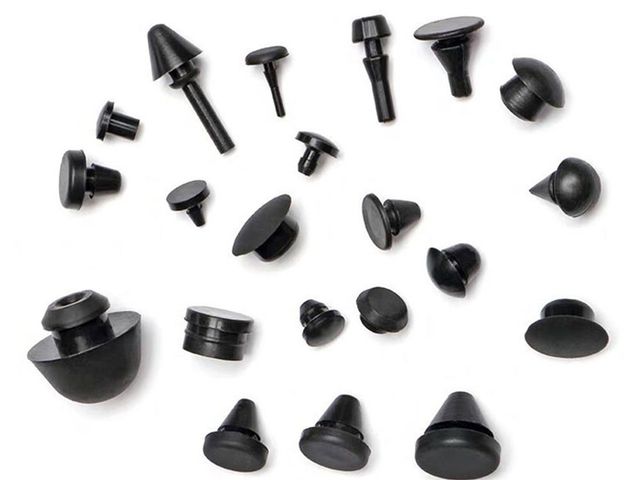
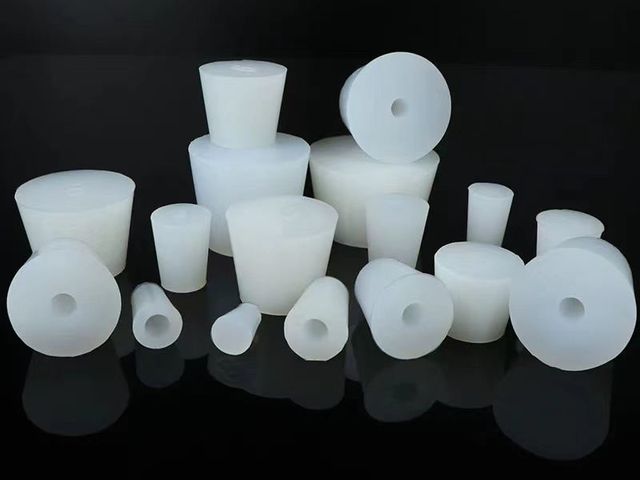
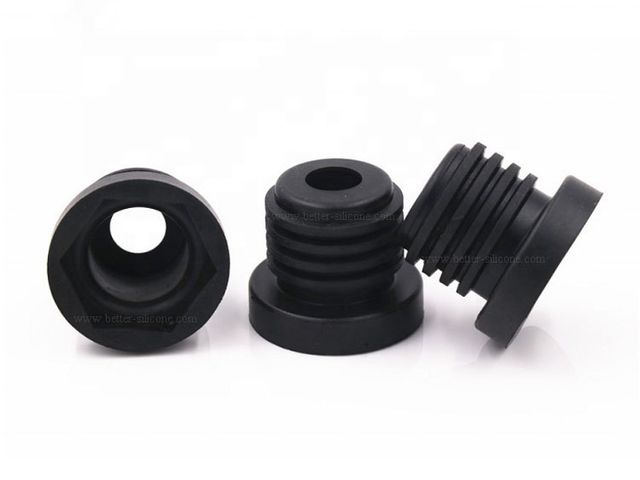
Silicone is the default material for reusable masking because it combines three properties no tape can match at once: it tolerates repeated powder-coating oven cycles around 200°C and short excursions higher, it stays elastic enough to seal a hole or thread by compression alone, and it releases cleanly with no adhesive involved. That is why the majority of our plug and cap range — pull plugs, tapered plugs, threaded-hole plugs, end caps and vent plugs — is molded from silicone rather than cheaper rubbers.
When silicone is the right call
Choose silicone whenever the part goes through a cure oven with the mask in place, whenever the same masking geometry repeats across a production run, or whenever the masked feature is a machined hole or thread where paint ingress would force rework. On a line masking the same M8 threaded holes thousands of times per month, a silicone plug that survives 50–100 cycles almost always beats single-use tape on cost per masked part, even though the unit price is higher.
When to consider something else
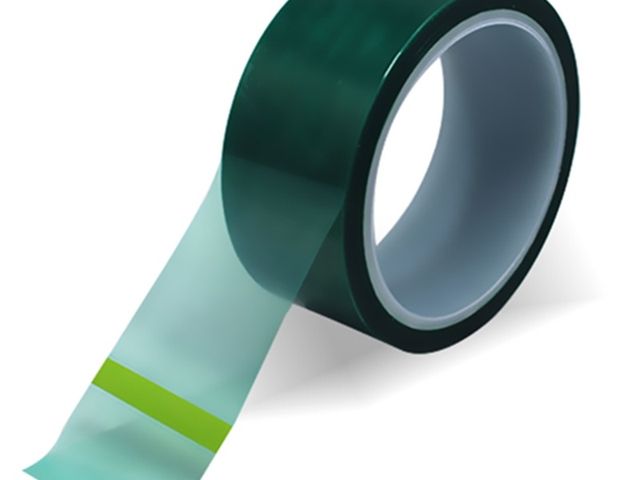
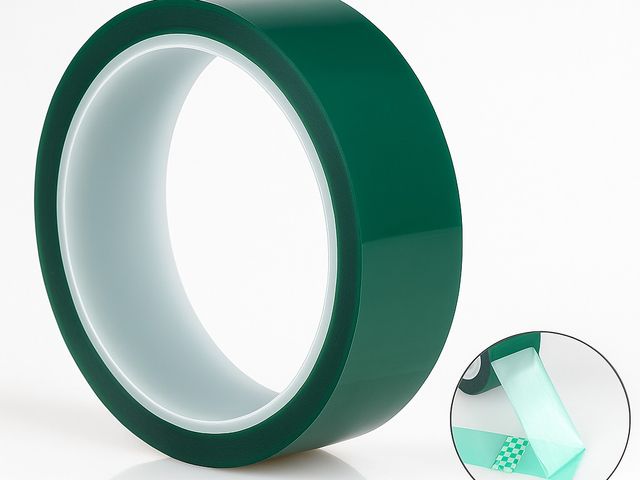
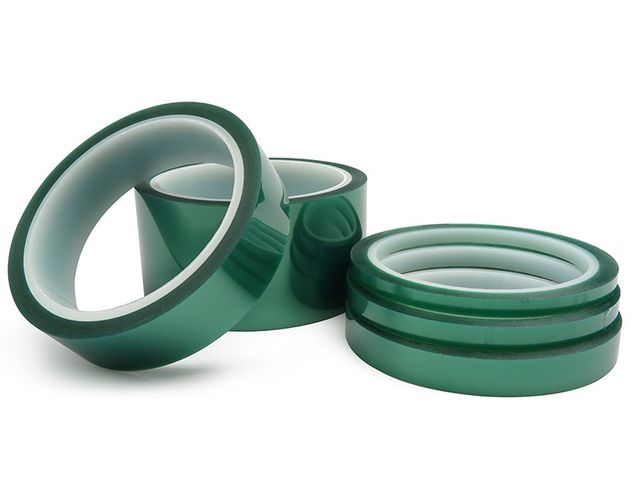
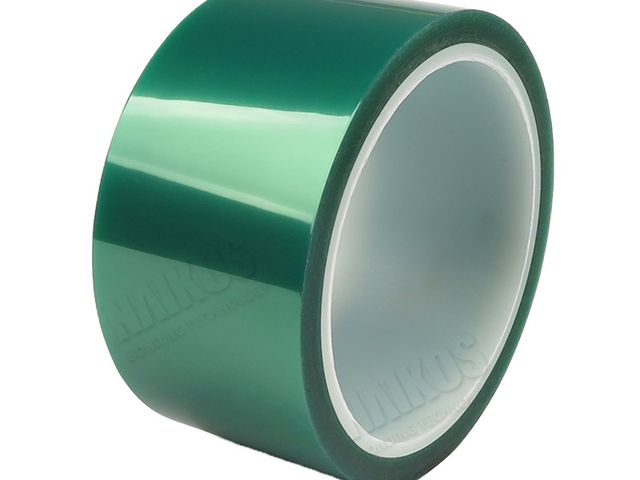
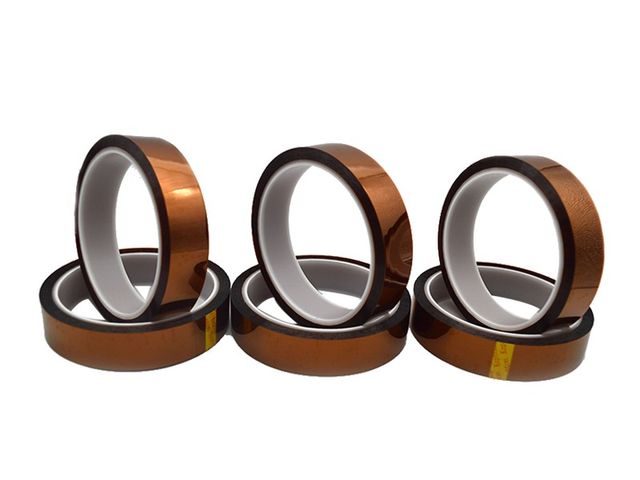
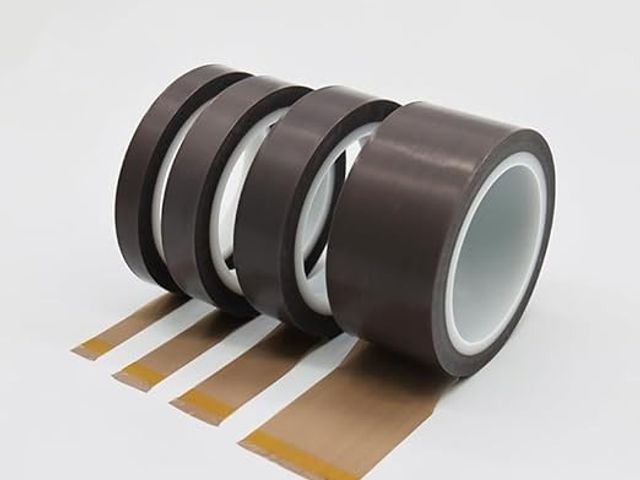
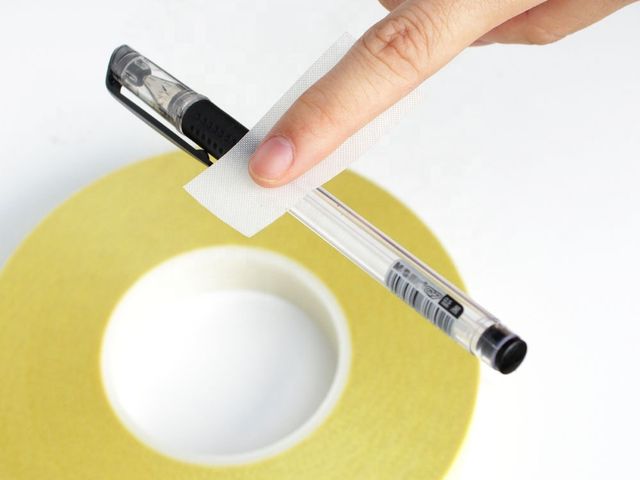
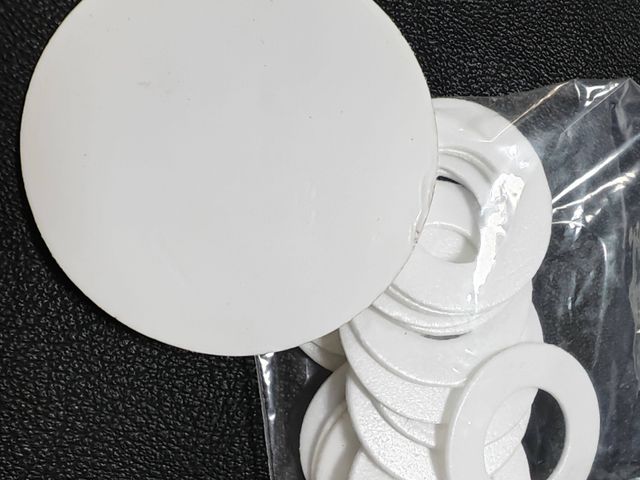
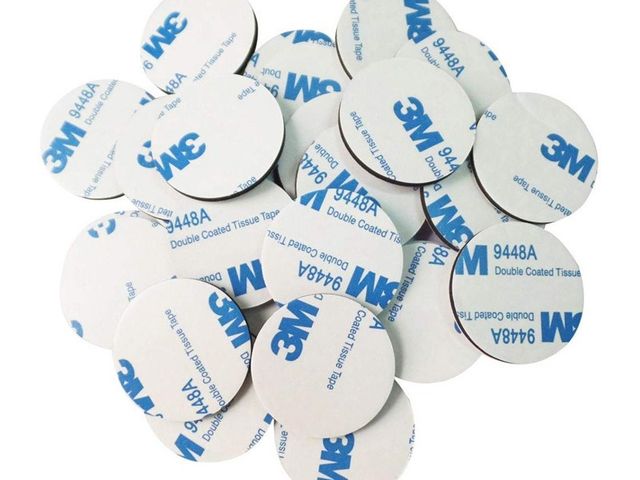
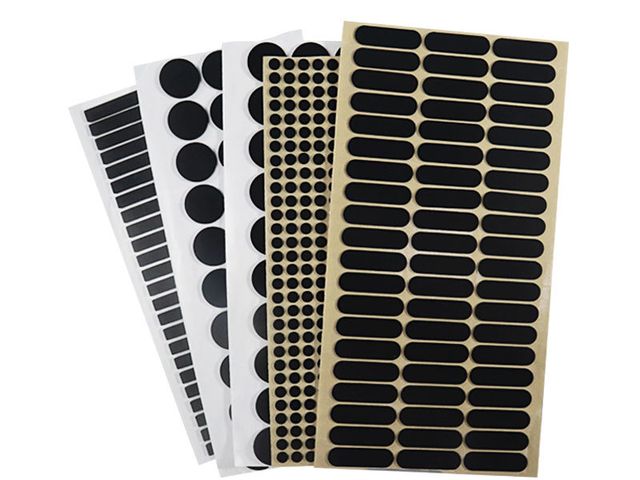
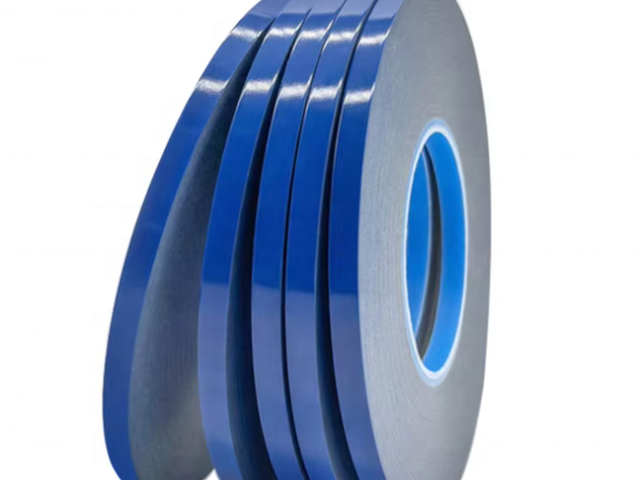
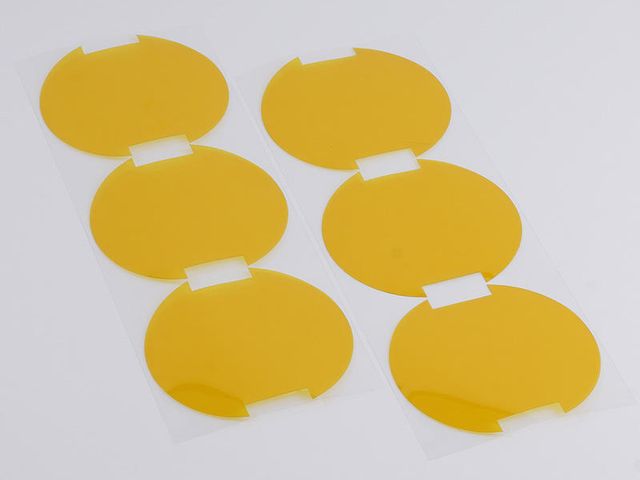
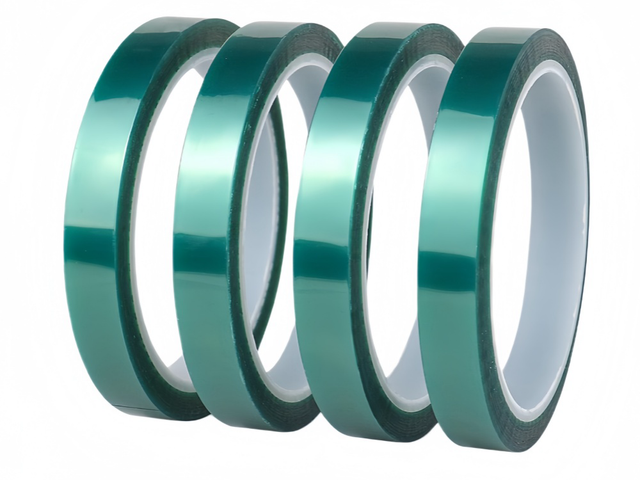
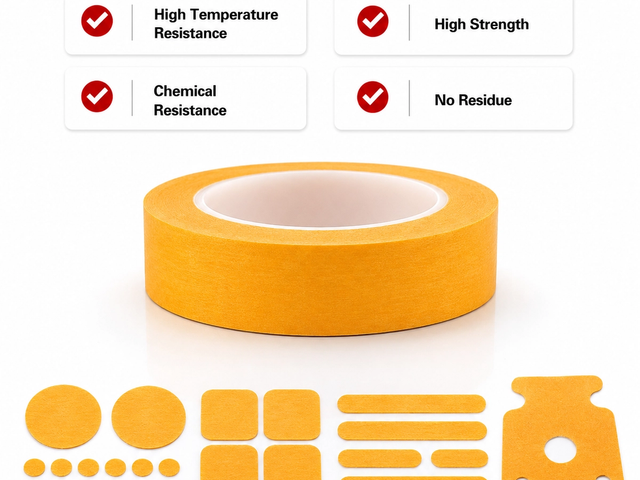
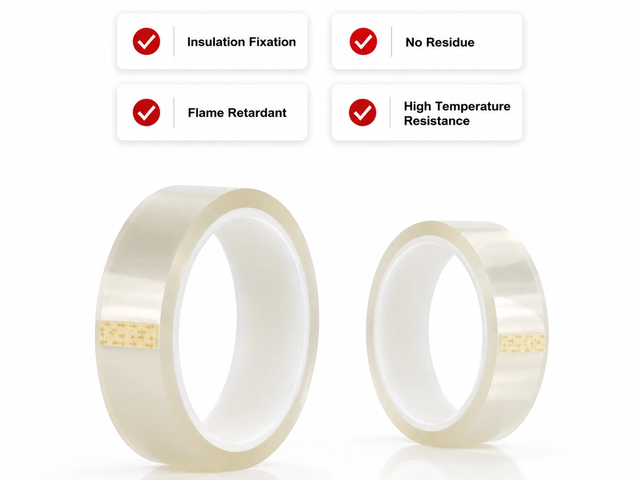
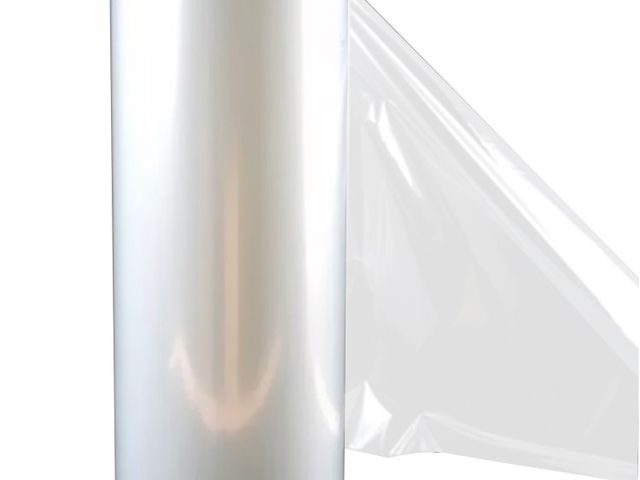
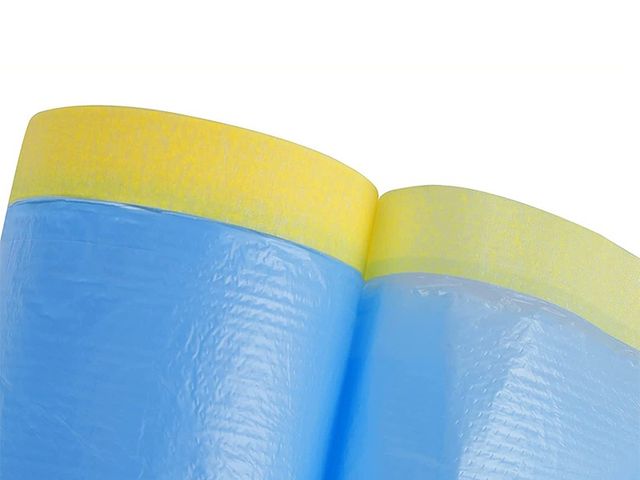
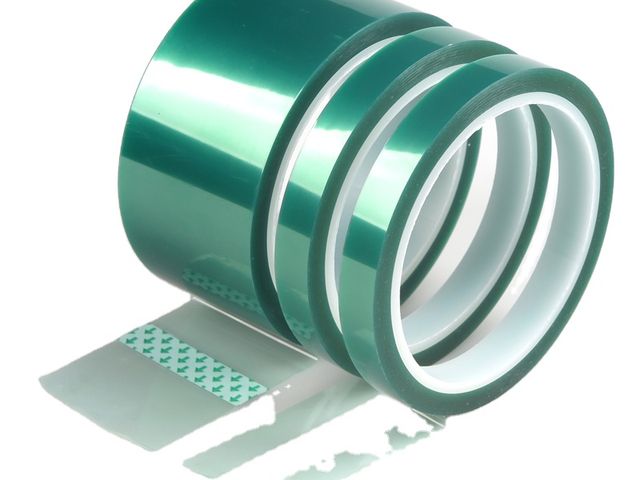
Below roughly 150°C — plating lines, e-coat at moderate bake, air-dry painting — EPDM rubber does the same sealing job at lower cost. For large flat areas, films and tapes cover far faster than any molded part. And for one-off prototype masking, die-cut tape shapes avoid tooling entirely. Our engineering team routinely mixes materials in one kit: silicone for the oven-critical features, tape and film for the rest.
How to specify silicone masking parts
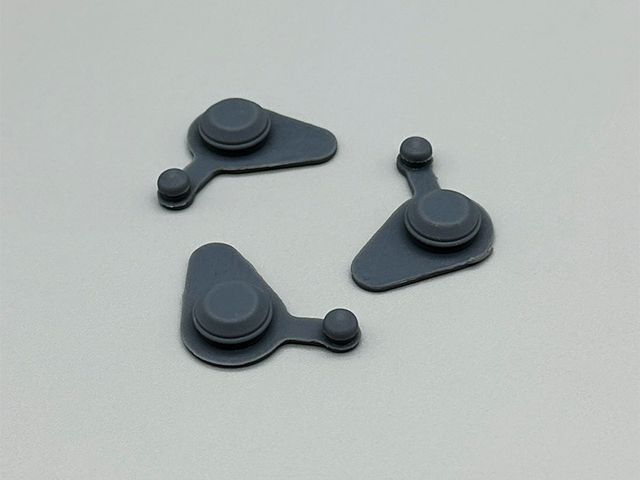
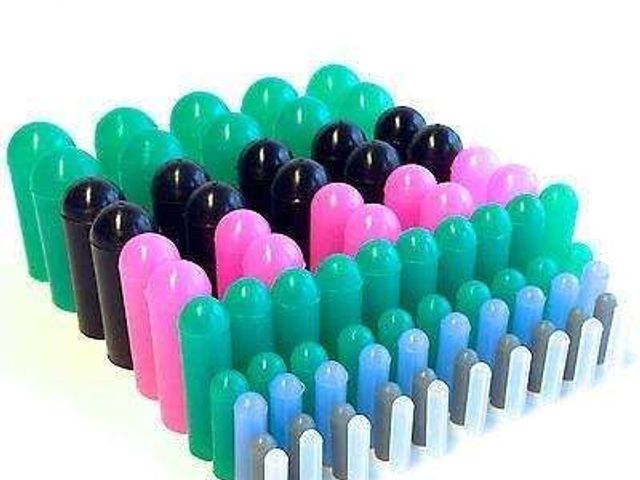
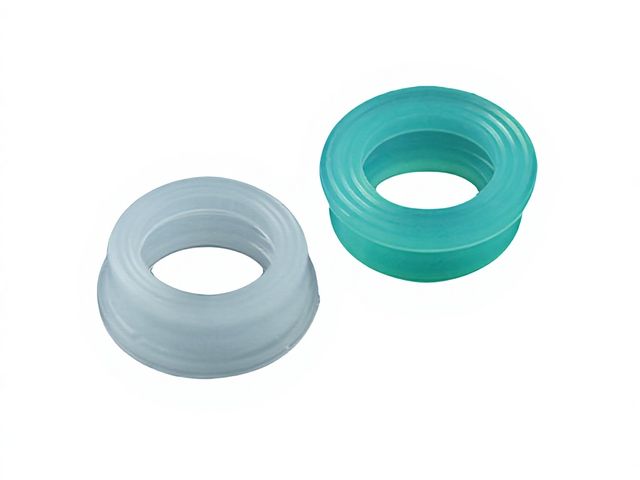
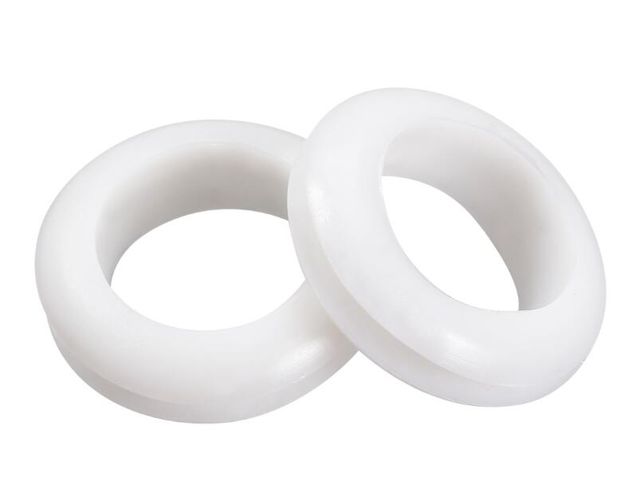
Send the hole or stud diameter (and thread size if applicable), the peak oven temperature and dwell time, the coating process, and your monthly volume. We confirm the right geometry — pull plug, tapered plug, flanged cap or vented design — and the silicone grade before quoting. Custom diameters and custom colors for line identification are standard work for our compression-molding shop.