Technical
Fine Line Tape for Two-Tone Powder Coating: Sharp Edges Without Bleed
Get sharp two-tone powder coating color breaks with fine line tape. Expert tips, temperature limits, and free samples from LeaderMasking today.
Get sharp two-tone powder coating color breaks with fine line tape. Expert tips, temperature limits, and free samples from LeaderMasking today.
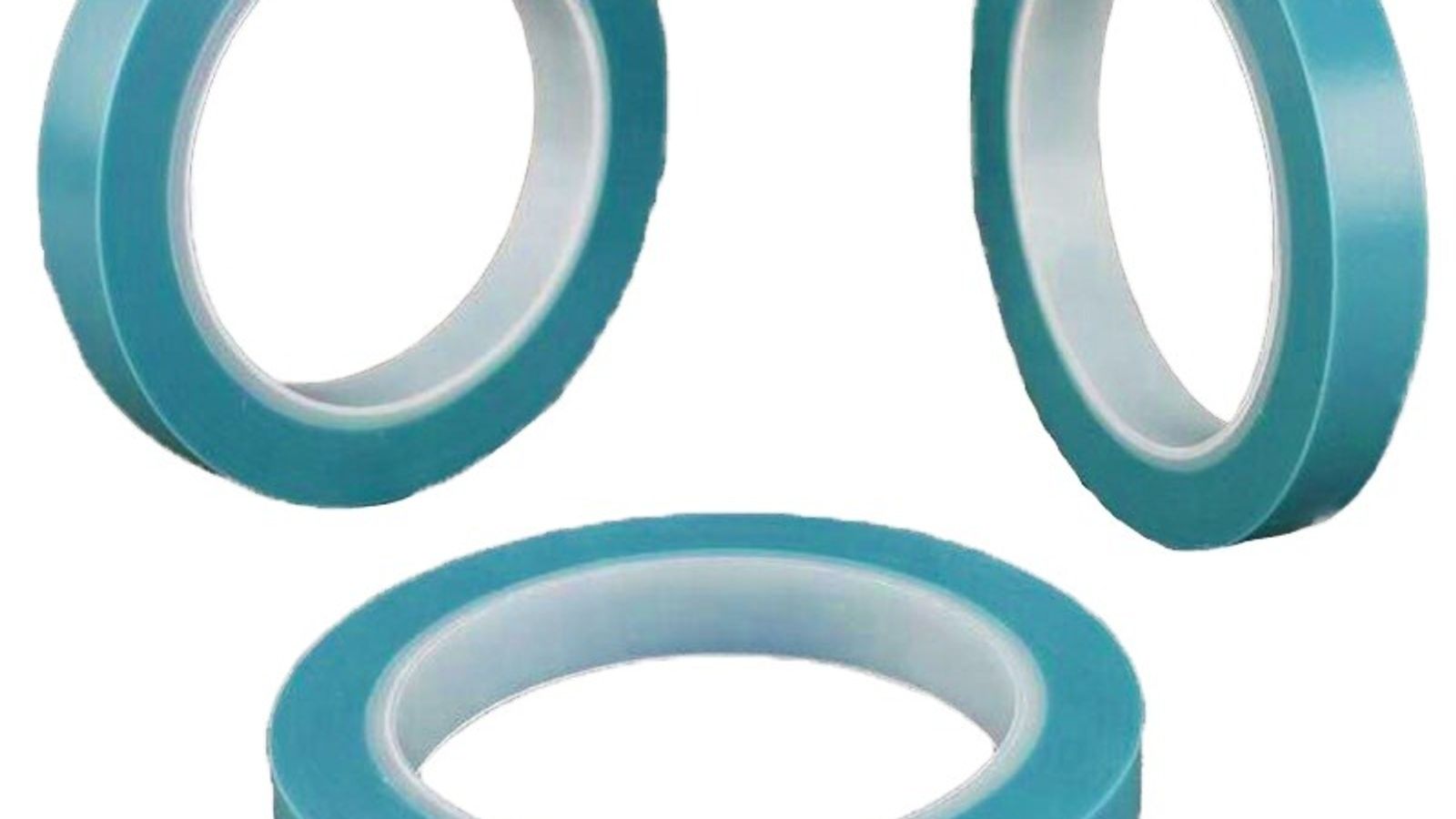
Fine line tape is a narrow masking tape with a thin, creped or rice-paper (washi) backing and a low-tack, heat-stable adhesive, engineered specifically to produce a razor-sharp color break where two or more powder coating colors meet on the same part. In a standard two-tone powder coating sequence, the tape is laid along the planned separation line after the first color is cured, the second color is sprayed, and the tape is stripped before the part enters the cure oven, so it only needs to hold a tight edge through spraying rather than the full 180–200°C, 10–20 minute bake. Rice-paper fine line tape is typically rated for 120–150°C continuous service, which is why it is the workhorse of two-tone automotive work but must be exchanged for PET (150–180°C) or polyimide (260°C+) tape whenever the mask genuinely has to survive the cure cycle. Applied with proper burnishing and stripped at the right moment, fine line tape delivers a powder coating color break with almost no feathering, wicking, or adhesive residue.
Fine line tape sits at the specialist end of the masking tape family. Where general-purpose crepe tape is wide, thick, and built for blocking off large areas, fine line tape is narrow — typically 6 mm to 12 mm (1/4" to 1/2") — with a dramatically thinner backing. The classic construction is a rice-paper or washi-paper backing, which is denser and less porous than standard crepe, coated with a thin layer of a heat-resistant rubber or acrylic adhesive.
That thin, dense construction is the whole point. Because the backing is only around 0.1 mm thick and does not cushion under pressure, the edge of the tape behaves like a knife edge rather than a ramp. When a second color of powder is sprayed over the taped edge, overspray particles collide with that knife edge and build up against it instead of creeping underneath. The result is a tight, dimensional color break that reads as one clean line even under close inspection.
Fine line tape is sold in a range of grades because every job places different demands on it. A fine line masking tape line-up typically includes rice-paper grades for ultra-sharp edges, PVC-backed versions for stretch and conformability on compound curves, and flat crepe grades for cost-sensitive refinish work where edge sharpness is still important but the substrate is flat. Choosing the right one matters more than it looks: the wrong tape on the wrong job is exactly how a perfect two-tone job turns into a rework.
Two-tone powder coating is everywhere: automotive wheels with machined and painted faces, motorcycle tanks and fenders, frames, brackets, appliances, signage, and architectural hardware. It is a premium finish, and the color break is the first thing a customer notices. A feathered edge, a wicking line, or a soft bleed where the two colors meet reads as a defect, even if the film thickness and gloss are perfect everywhere else.
There is a physical reason two-tone powder work is harder than liquid paint. Powder particles are charged and applied dry, and they behave differently around edges than wet paint does. As a spray cloud passes over a taped boundary, electrostatic attraction pulls particles toward the conductive substrate, but overspray also accumulates on any raised surface. If the tape edge is thick or rounded, powder builds up on that ramp and deposits a progressively thinner film as it trails off — that is the feathering you see at the break line. If the adhesive has squeezed out under the edge, powder sticks to the exposed adhesive and wicks under the tape, creating a fuzzy bleed line that no amount of touch-up will fix.
This is why powder coating operations that run two-tone work as a routine process treat tape selection as seriously as they treat gun setup. Ordinary wide masking tape, designed for blocking, simply does not have the edge geometry for color separation. A fine line product gives the coater a repeatable, dimensional boundary.
The mechanics of a sharp color break come down to three things: edge geometry, adhesive contact, and removal timing.
Edge geometry. A thin backing means the tape terminates in an almost vertical step. Powder hits that step, builds a defined wall of powder, and stops. A thick backing creates a slope, and powder follows the slope into the masked zone.
Adhesive contact. The adhesive layer on fine line tape is deliberately thin and low-tack, but it still needs to be pressed into full contact with the substrate. Burnishing — running a squeegee, plastic card, or thumbnail along the edge — forces the adhesive down into surface texture and eliminates the micro-channels that powder and airflow can travel through. An unburnished edge is the most common cause of bleed that the tape itself did not cause.
Removal timing. In the most common two-tone sequence, the second color is sprayed and the tape is removed while the powder is still uncured, before the bake. Pulled at a low peel angle, the tape lifts cleanly and takes the dust layer of overspray with it, leaving a wall of powder at the edge. That wall fuses flat during cure into a hard, straight break line. The same tape left in place through the oven would need a much higher temperature rating to survive.
For a closer look at the tapes built around this behavior, the purple rice paper fine line tape and green rice paper fine line tape are the two grades most often specified for powder coating color breaks.
Edge bleed is the failure mode that ruins two-tone powder coating, and it is worth understanding each cause separately because the prevention differs for each one.
When a tape's adhesive is too thick, too soft, or subjected to heat, it flows out from under the backing edge and forms a sticky fringe. Powder lands on that fringe and wicks under the tape, producing a ragged bleed line after removal.
Prevention starts with tape selection: a fine line tape's adhesive is formulated to resist flow at its rated temperature, so a rice-paper grade used within its 120–150°C envelope will not squeeze out. Application also matters. Aggressive stretching, pressing the tape down harder than necessary, or applying it to a warm surface all encourage the adhesive to creep. Apply at room temperature, lay the tape gently, and burnish only the edge zone rather than mashing the whole width.
This is the number-one cause of bleed in parts that go through the oven taped. If the tape stays on for the 180–200°C, 10–20 minute powder cure, a 120–150°C tape will soften, its adhesive will migrate, and the backing will often shrink or wrinkle. The fix is either to remove the tape before cure or to select a tape rated for the actual thermal exposure.
If the tape must survive the bake — for example, a multi-stage process where the part is coated in stages with a cure between each stage — the temperature rating is the deciding specification. A PET-based fine line tape rated to 150–180°C covers moderate cures, and polyimide tape rated to 260°C+ covers the hottest cycles. Using a 120–150°C tape in a 180–200°C oven is not a judgment call; it is a guarantee of bleed.
Backing thickness controls edge sharpness directly. A typical rice-paper fine line tape is around 0.1 mm thick and produces a near-vertical edge step. A general-purpose crepe tape is commonly 0.15–0.2 mm or more and produces a ramp that powder feathering follows. For color breaks, the thinnest backing that survives the process is always the right choice, because edge definition is the entire value of the product.
Bleed is not always the tape's fault. Oils, release agents, silicone, moisture, or residual grit on the substrate under the tape edge destroy adhesion exactly where it matters most. The masked zone must be clean and dry before the tape goes on, and the first color must be fully cured and cooled before the part is taped. A simple solvent wipe of the break line area before taping eliminates most "unexplainable" bleed problems.
Fine line tape temperature limits are straightforward once you separate two very different situations: masking that is removed before cure, and masking that must survive cure.
For the classic two-tone sequence — first color cured, second color sprayed, tape stripped pre-bake — the tape is never exposed to the oven. The relevant temperature is the one it sees in the spray booth, plus any short pre-cure flash or flash-off period. Rice-paper washi grades rated to 120–150°C are more than sufficient, which is why they dominate automotive refinishing and two-tone OEM work. Flat crepe grades, rated to 80–120°C, handle the same role where the job is flat and the budget is tight.
For masks that must ride through the cure cycle, the rating must exceed the oven temperature. That means PET-backed tape for 150–180°C cures and polyimide for 260°C+ work. A fine line tape that survives cure gives you the option of spraying, baking, and stripping after cool-down — useful when the second color must not be disturbed, or when handling a large, awkward part right after spraying is impractical.
| Tape Type | Backing Material | Max Continuous Temp | Edge Definition | Best Use |
|---|---|---|---|---|
| Purple rice paper fine line tape | Rice paper (washi) | 120–150°C | Ultra-sharp | Two-tone automotive; sharp paint lines; removed pre-cure |
| Green rice paper fine line tape | Rice paper (washi) | 120–150°C | Sharp; flexible | Curves and contours; medium-duration spray-line masking |
| Automotive PVC fine line tape | Thin PVC film | ~150°C | Very sharp; stretchable | Compound curves and multi-color refinishing |
| Flat crepe automotive refinish tape | Crepe paper | 80–120°C | Clean; softer edge | Flat panels; low-temperature cures; cost-sensitive jobs |
| PET fine line tape | Polyester film | 150–180°C | Very sharp; stable | Parts that must stay masked through moderate cures |
| Polyimide (Kapton) tape | Polyimide film | 260°C+ | Very sharp; stable | High-temperature cures; repeated thermal cycling |
Two grades from that table do the heavy lifting for most two-tone powder work. The automotive PVC fine line tape stretches into tight radii without lifting, while the flat crepe automotive refinish tape covers flat zones economically.
The best fine line tape in the world produces a bad break if the technique is wrong. This sequence is what separates consistent two-tone shops from one-off successes.
Start with a fully cured, cooled first color. Wipe the break-line zone with a clean, lint-free cloth and a suitable degreaser to remove oils, fingerprints, and silicone. Confirm the area is dry before anything touches it. The tape edge can only be as clean as the surface it is pressed into.
Decide which color goes on first and where the break will sit before you pick up a roll. Masking consumes time and material, and a well-planned sequence does not: first color, cure, mask, second color, strip, bake. On parts with a natural feature — a groove, a step, a trim line — run the break along the feature so the edge has a visual home. Mark the break lightly with a pencil or a straightedge if the line is not obvious.
Lay the tape with the lightest touch that keeps it straight. Stretching a rice-paper tape even a few percent builds in tension that will pull the edge away later, and stretched adhesive thins and flows more easily. For long straight runs, feed the tape off a dispenser at a consistent angle. For curves, use a narrower width — 6 mm bends around tight radii far more obediently than 12 mm — and lay it in short segments rather than trying to bend a long piece. Overlap the ends of adjacent strips slightly, and never stretch around an outside corner.
This is the step that cannot be skipped. After the tape is laid, go back with a plastic squeegee, a burnishing tool, or even a thumbnail and press firmly along the inner edge — the side that the second color will hit. The goal is to seat the adhesive into the surface texture so no micro-channel exists for powder to travel through. Work the entire length of the edge, including corners and seams. A burnished edge is the difference between a hairline break and a bleed that appears only after the part is baked.
Spray the second color at the recommended film thickness. Strip the tape while the powder is still uncured, pulling it back over itself at a low angle — close to 180° — and at a steady, moderate speed. Pulling fast yanks powder off the edge; pulling slowly lets adhesive string. The same discipline applies whether you are working with an orange washi automotive masking tape on a tank or a PVC grade on a wheel.
There are two legitimate removal scenarios, and they need different handling.
Before cure. This is the standard for sharp edges, described above: spray, strip, then bake. The strip leaves a clean powder wall, and the bake fuses it.
After cure. When the mask was deliberately left through the oven — because the tape was rated for it, or because the part was too large to strip while wet — removal happens after cool-down. Wait until the part is below the tape's rated temperature, then pull at a low, slow angle. If the adhesive has aged in the oven, warming the tape zone slightly with a heat gun (well below its rated max) softens it for a cleaner lift. Any residue left behind comes off with a mild adhesive remover or a light scuff, followed by a wipe before any subsequent coat.
One caution: do not treat "removed after cure" as a default. Every extra minute of oven time on a tape that was not designed for it compounds bleed and residue risk. If the process regularly needs the mask to survive the bake, spec the tape for it rather than hoping a pre-cure tape gets lucky.
Vinyl and plastic film are the other two masking families in a powder coater's cabinet, and each has a home. Vinyl tape stretches and conforms aggressively, which makes it excellent for blocking curved areas and for jobs where the mask must be removed after a cool-down without lifting the coating. Plastic film, in wider sheets, covers large flat zones in seconds and strips cleanly.
But for color separation, fine line tape wins on every axis that matters. Its edge is sharper because the backing is thinner. It conforms to compound curves without the distortion that thick vinyl introduces at the break. It is cheaper per linear meter than precision film, which matters because color-break masking consumes long runs of narrow tape. And it repositions cleanly: a rice-paper tape lifted and re-laid in the first minutes does not tear or leave a gum line the way stretched vinyl does.
Choose vinyl or film when the job is large-area blocking, when the mask must survive cure without the cost of PET or polyimide grades, or when the part geometry makes a stretchable carrier necessary. Choose fine line tape when the job is a two-tone break — which is, in practice, every time the word "line" appears in the work order.
Fine line tape is used to create sharp color breaks in two-tone and multi-color powder coating. It is applied along the planned separation line after the first color is cured, the second color is sprayed, and the tape is removed before the part enters the cure oven, leaving a clean, straight boundary with minimal feathering or bleed.
Standard rice-paper fine line tape is rated to 120–150°C and is designed to be removed before the 180–200°C cure. If the tape must stay on through the bake, step up to PET tape (150–180°C) for moderate cures or polyimide tape (260°C+) for the hottest cycles. Flat crepe grades are rated lower, at 80–120°C.
Burnish the tape edge firmly into the substrate so no micro-channel remains, keep the surface clean and dry before taping, avoid stretching the tape during application, and strip the tape before cure at a low peel angle. Preventing adhesive squeeze-out by choosing a tape rated for the actual process temperature is equally important.
For best edge quality, remove fine line tape within a few hours of application and always before cure. Extended dwell lets adhesive age, grip harder, and become more likely to string or leave residue on removal.
Fine line tape has a much thinner backing (around 0.1 mm versus 0.15 mm and up for crepe), a denser rice-paper or PVC carrier, and a thin heat-stable adhesive. That construction produces a knife-edge color break. Regular masking tape is thicker, cheaper, and suited to blocking large areas, but it feathers and bleeds at a two-tone break line.
A two-tone color break is only as good as the tape that defines it, and the right fine line grade depends on your substrate, your cure cycle, and your part geometry. LeaderMasking manufactures rice-paper washi, PVC, and flat crepe fine line tapes for powder coating and automotive refinishing, available in custom widths and roll lengths to match your masking process. Request samples to test edge definition and removal behavior on your own parts — contact LeaderMasking today for a sample kit and a technical recommendation for your two-tone line.
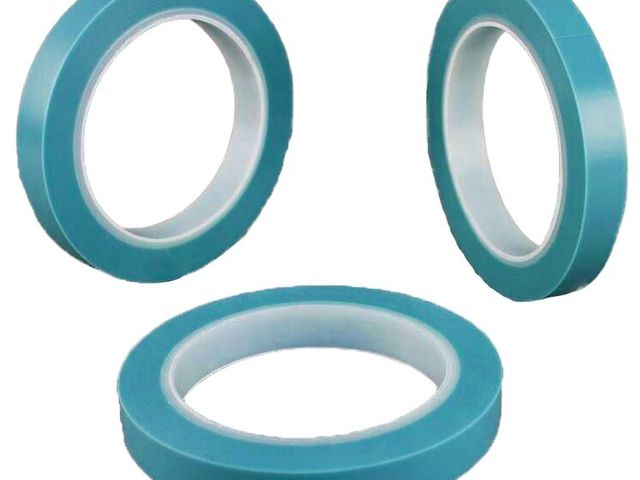
Paper, Washi & Fine Line Masking
Automotive PVC Fine Line Masking Tape for automotive painting and curve masking work, with curve control and good flexibility.
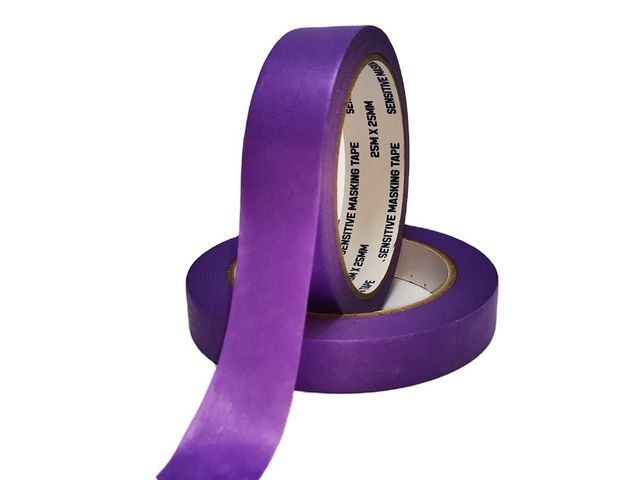
Paper, Washi & Fine Line Masking
Purple Rice Paper Sharp Line Masking Tape for sharp line painting and automotive refinishing work, with sharp edge finish and clean peel.
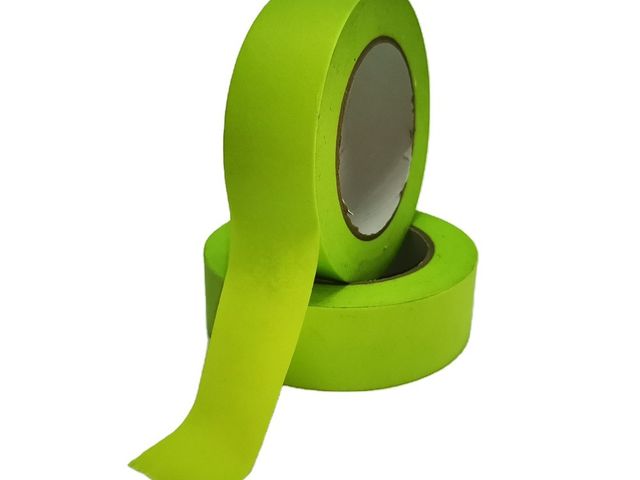
Paper, Washi & Fine Line Masking
Green Rice Paper Fine Line Masking Tape for automotive refinishing and paint line masking work, with sharp line and easy conformability.
Send drawings, dimensions, material, environment or operating conditions, and we will help confirm the right specification.
Uploaded reference files are included with the inquiry. For larger CAD packages, reply to the confirmation email or send them here:
Our team typically replies within 24 business hours.