Technical
PET vs Polyimide Masking Tape: Temperature Ratings Explained
204°C versus 260°C on the datasheet — but what do those numbers actually mean at cure time, and when is the polyimide premium worth paying?
204°C versus 260°C on the datasheet — but what do those numbers actually mean at cure time, and when is the polyimide premium worth paying?
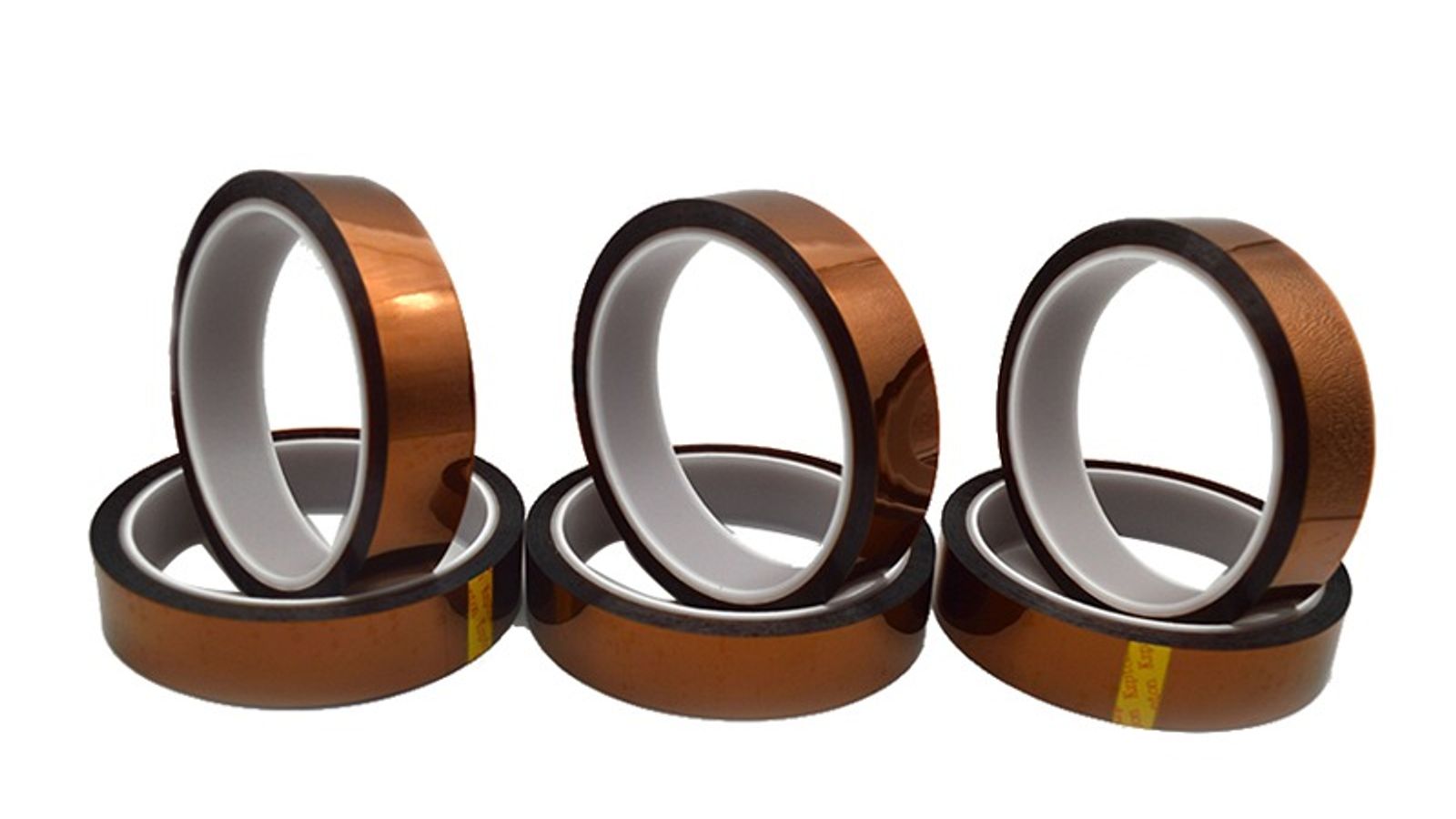
The two headline numbers in high-temperature masking are 204°C for green PET tape and 260°C for amber polyimide. Both are real, both are useful — and both are routinely misread. Understanding what a temperature rating actually promises is the difference between a clean peel and a scraper.
A masking tape rating describes the temperature at which the backing stays dimensionally stable and the adhesive still releases cleanly for a typical cure duration — not the temperature at which the tape bursts into flame. Push a 204°C tape to 220°C for a full cure and it may survive looking fine, then tear on removal or leave adhesive ghosting because the adhesive crossed its clean-release window. The rating is a promise about removal, not just survival.
Standard powder-coating schedules cure at 180–200°C part temperature. PET's rating sits above that with real margin, which is why green polyester is the default masking tape of the powder industry: clean release, sharp edges, and a price that lets you use as much as the job needs. If your oven recipe stays inside the standard window, buying polyimide for general masking is spending money on headroom you never use.
Three situations justify the step up. Processes that genuinely run above 204°C — certain functional coatings, stoving enamels and high-bake systems. Electronics work — wave solder at 260°C, conformal coating and PCB masking, where polyimide's dielectric behaviour and dimensional stability are the actual requirement. And thin-line precision at heat: polyimide film holds its dimensions tighter when the mask itself is small. In each case you are buying capability PET does not have, not just a bigger number.
First, part temperature is not air temperature — a massive steel part lags the oven and may never reach setpoint, while a thin bracket tracks it closely. Rate against the metal, not the dial. Second, dwell matters: a rating that holds for a 20-minute cure may not hold for a 2-hour process. When your schedule is unusual, say so in the RFQ — matching the grade to the real cycle is a five-minute engineering job that prevents a very annoying afternoon with a scraper.
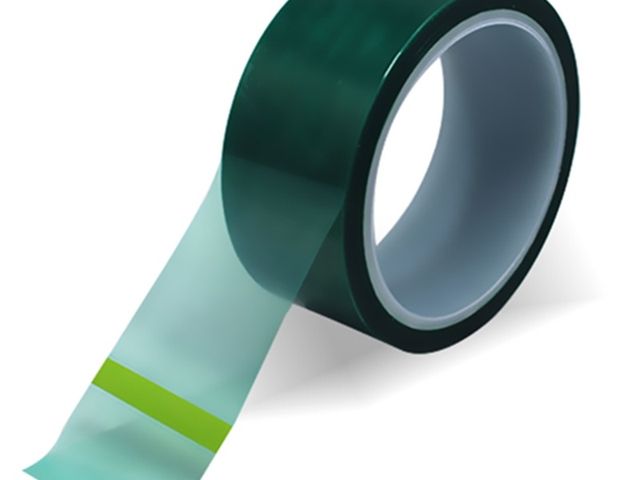
Polyester & PET Masking Tapes
Green Polyester Powder Coating Masking Tape for powder coating and liquid painting work, with clean release and sharp paint edge.
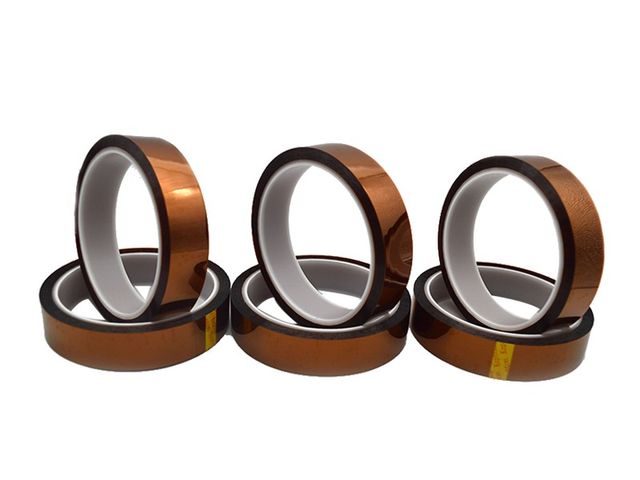
Polyimide & Specialty High-Temperature Tapes
High Temperature Polyimide Tape Rolls for electronics masking and solder masking work, with high heat stability and thin carrier.
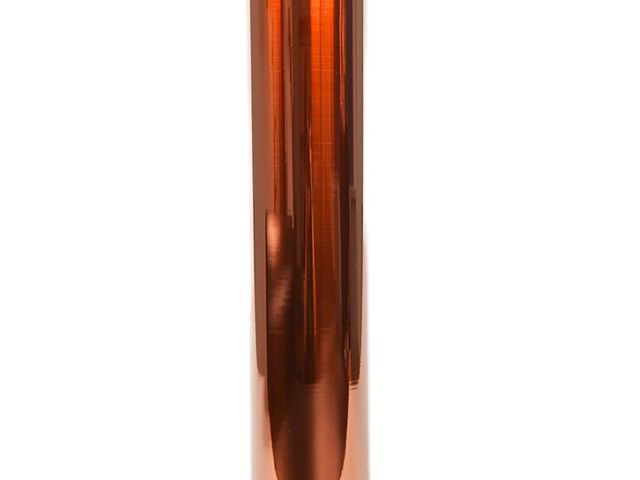
Polyimide & Specialty High-Temperature Tapes
Amber Polyimide Masking Tape for PCB masking and powder coating work, with thin profile and high heat resistance.
Send drawings, dimensions, material, environment or operating conditions, and we will help confirm the right specification.
Uploaded reference files are included with the inquiry. For larger CAD packages, reply to the confirmation email or send them here:
Our team typically replies within 24 business hours.