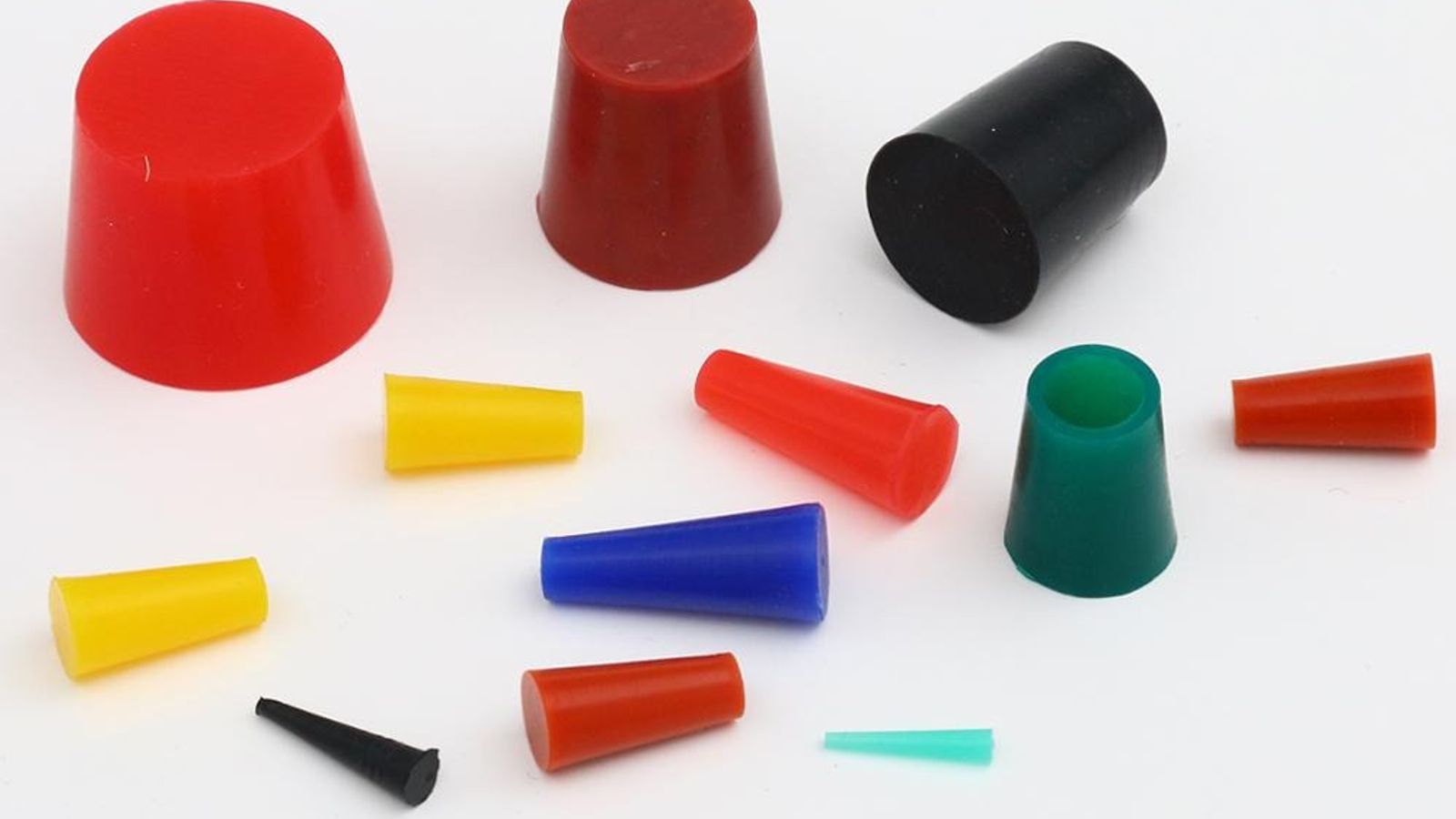
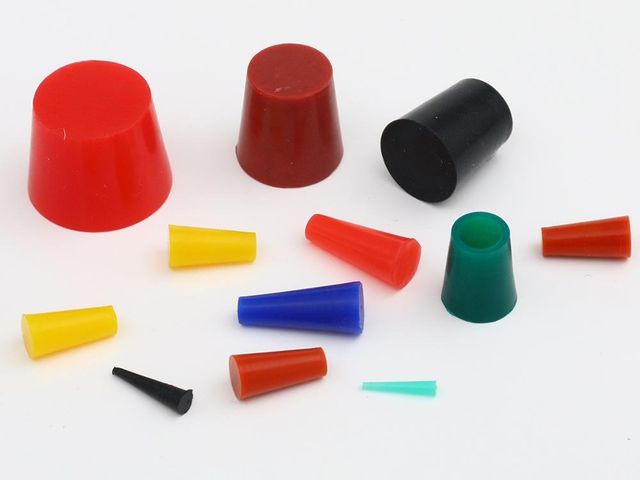
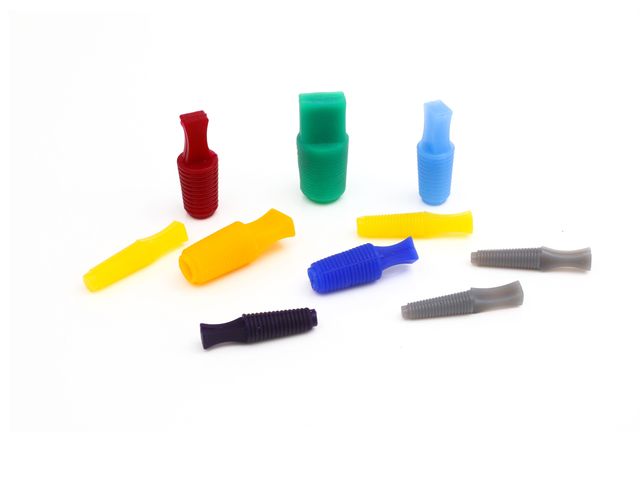
Walk any powder-coating shop and you will find both: rolls of green PET tape on the bench and buckets of silicone plugs by the racks. Both survive a 200°C cure. The interesting question is which one belongs on which feature — because choosing wrong costs you either money or rework, and sometimes both.
The geometry rule: holes get plugs, faces get tape
Tape masks surfaces; plugs mask geometry. A threaded hole covered with tape is protected only at its opening — capillary action pulls liquid and powder along the tape edge into the first threads, and the assembly department discovers it at torque time. A tapered or threaded silicone plug seals inside the feature by compression, protecting the threads themselves. The reverse is equally true: nobody plugs a flat gasket face. Film tape and die-cut shapes give flat features a sharp, clean coating edge that no molded part can match.
The economics rule: count cycles, not unit prices
A silicone plug costs several times more than the tape needed to cover the same hole once. It also survives 50–100+ oven cycles. Divide plug price by cycles and add the seconds it takes to push one in, versus cutting, placing and burnishing tape every single cycle — on any feature that repeats daily, the plug's cost per masked part drops below tape within the first weeks. Tape wins the one-offs, prototypes and short runs where tooling a plug size makes no sense.
The failure-mode rule: know how each one lets you down
Tape failures are edge failures: powder creep under a poorly burnished edge, adhesive residue when a cheap grade meets a hot oven, torn corners on removal. Plug failures are fit failures: a worn plug that has lost compression, a size one step too small doing double duty, a pull-tab ripped off by hurried removal. Both are manageable — burnish tape edges properly, retire plugs on a cycle count instead of waiting for leaks, and stock the actual diameters your parts need.
What we recommend in practice
Audit one representative part. List every masked feature, classify each as geometry (holes, threads, studs, bores) or surface (faces, pads, edges), and note how many times per month it repeats. Geometry that repeats gets a molded part; surfaces get PET tape or die-cuts sized to the feature; anything oddly shaped and repeating gets a custom die-cut quote. That one-hour exercise typically cuts masking labour noticeably — and it is exactly the audit our engineering team runs free of charge from your drawing.