How to choose.
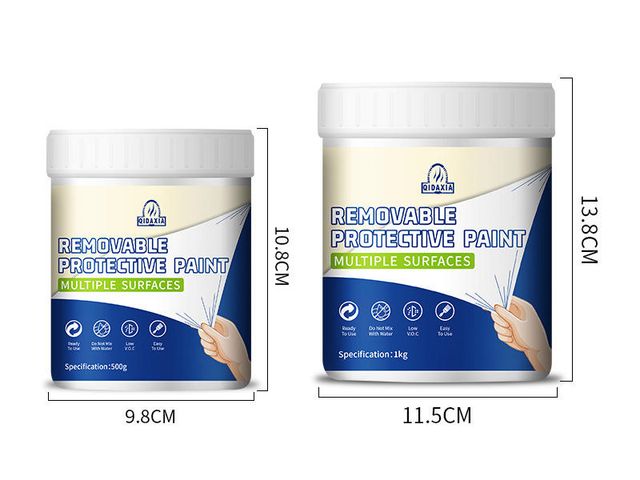
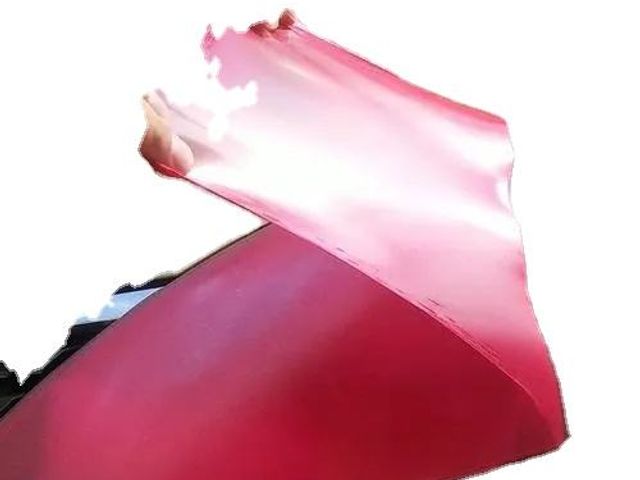
Some masking jobs defeat every die-cut and every roll of tape: a cast housing with ribs and pockets, the inside of a machined bore, a glass panel that must stay coating-free, an entire area too big to tape economically. Liquid maskant answers all of them the same way — flow the mask on as a liquid, let it cure to an elastic film, process the part, then peel the film off in one satisfying piece.
Choosing the application method
Brush application suits low volumes, touch-ups and prototypes: no equipment, total control. Dip is the production method — parts with consistent geometry go into a tank and come out uniformly coated, ideal for high-volume plating and anodizing masking. Spray covers large, gently contoured areas fastest and gives even film build on surfaces a brush would streak.
Process compatibility
Formulations exist for plating, anodizing, powder coating and paint. The critical questions are bath chemistry (for wet processes) and peak temperature (for ovens) — tell us both and we will match the maskant rather than let a general-purpose film fail in your specific tank. Cure time before processing ranges from minutes for thin brush coats to a few hours for heavy dip films; plan it into the line takt.
Getting a clean peel
Film thickness is the main variable: too thin tears on removal, adequate build peels whole. Aim for the formulator's recommended wet thickness, and start the peel from a deliberate edge or tab. On parts with fine detail, score the boundary before peeling for a clean mask line.