How to choose.
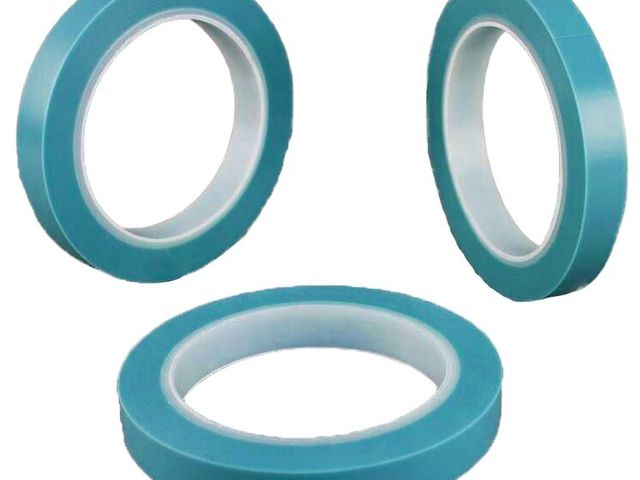
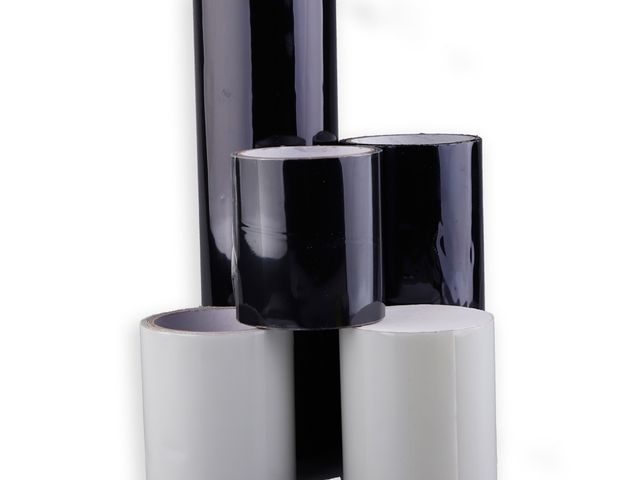
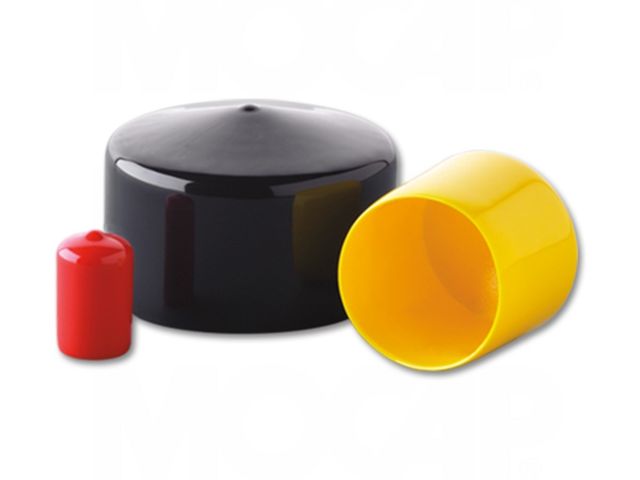
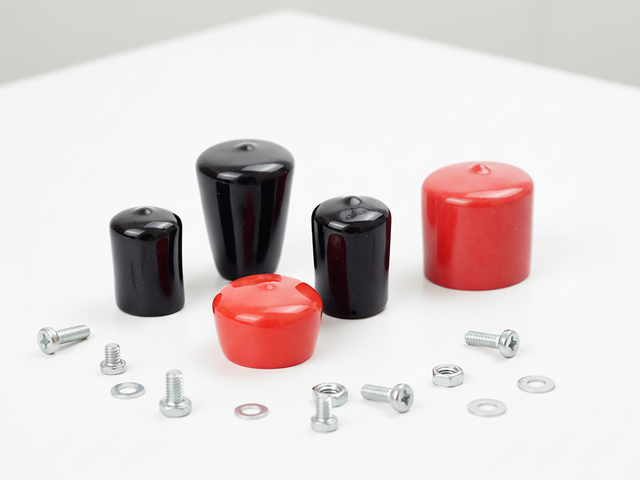
PVC appears twice in the masking world. As a thin, stretchy film tape it draws the curved fine lines that stiff backings cannot follow — the classic blue automotive fine-line tape. As a soft molded plastic it becomes push-on caps and end covers that protect tube ends, fittings and studs during handling, blasting and low-temperature processes.
Fine-line PVC tape
The smooth, non-porous PVC backing produces a glossy, sharp paint edge, and its stretch lets a painter pull a continuous curve — wheel arches, scallops, flame lines — in one motion. It out-corners washi on tight radii, though washi still wins on the thinnest possible edge step. Most custom shops keep both.
PVC caps and covers
Soft vinyl caps push over studs, tube ends and fittings by hand and grip by elasticity. They excel as handling and shipping protection and as masking for plating and low-bake processes. Like EPDM, they are not oven parts — repeated heat hardens plasticised PVC — so specify silicone where cure ovens are involved.
Specifying
For tape: width and radius requirements. For caps: the outside diameter to cover, working temperature and whether the part doubles as shipping protection. Both are stocked in common sizes with custom options molded or slit to order.