How to choose.
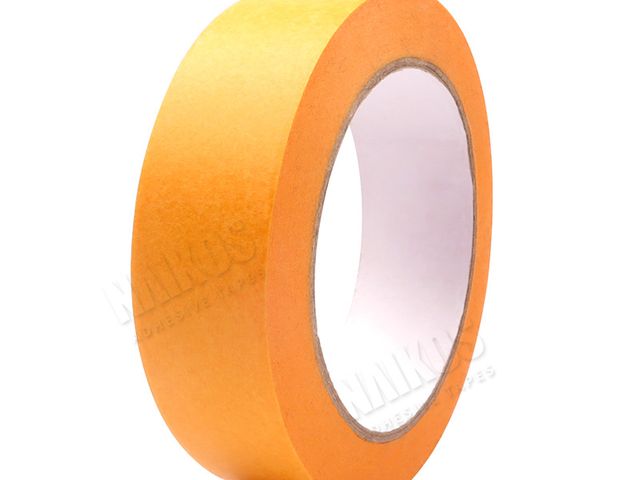
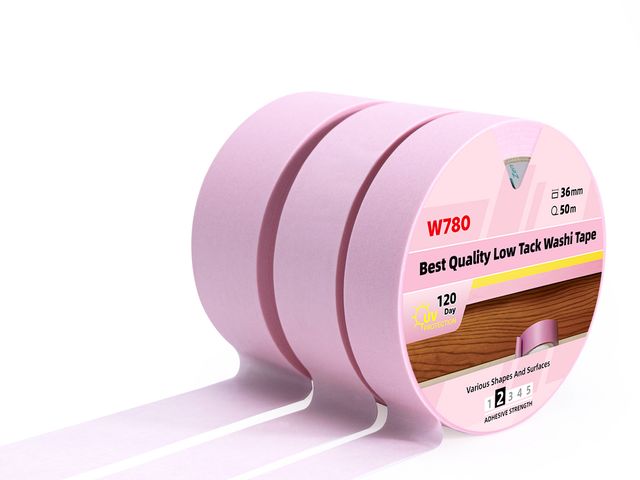
Washi — traditional Japanese rice paper — makes a masking backing with a rare combination: it is thin enough to leave a near-invisible paint step, flexible enough to lay around curves without lifting, and strong enough to pull a clean line. That is why refinish painters reach for washi when the job is a two-tone split or trim detail rather than covering a panel.
Fine-line work is the point
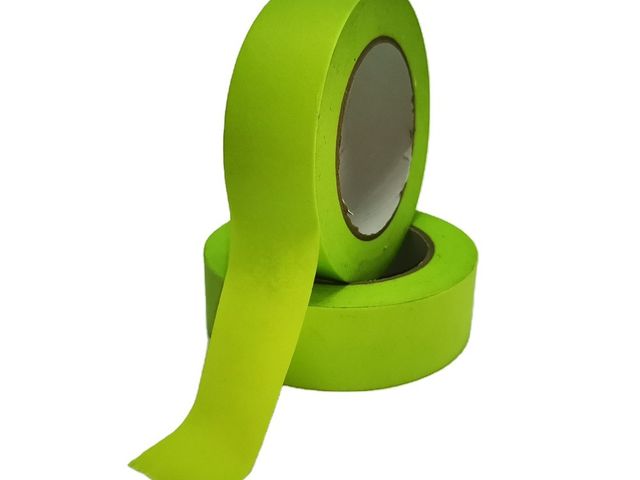
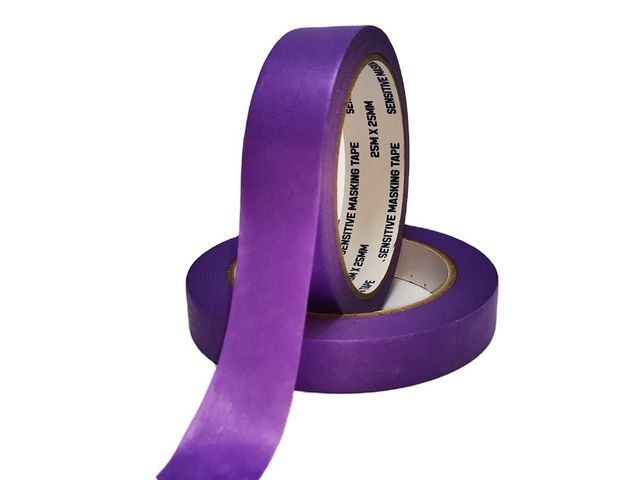
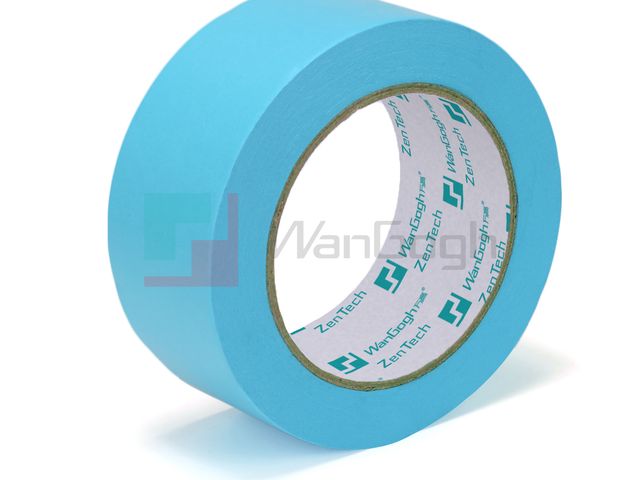
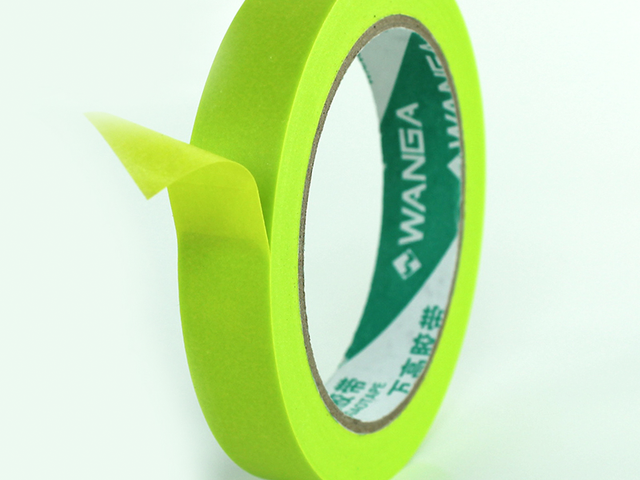
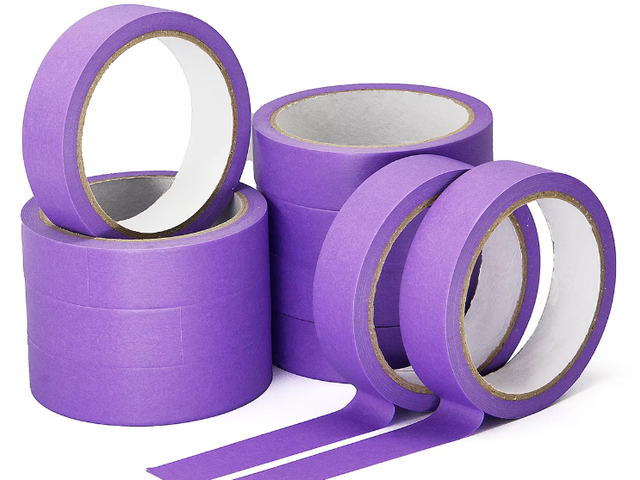
The thinner the tape edge, the sharper the paint line. Washi's low caliper produces color separations that need little or no polishing afterwards, and its compliant backing follows body curves, moldings and mirror housings where stiffer film tape would bridge and let paint creep under. Purple and blue sharp-line grades in our range are tuned for exactly this duty.
Know its temperature lane
Washi is a refinish product. Automotive refinish bakes — typically 60–80°C, sometimes up to 120°C — are comfortable; a 200°C powder-coating oven is not. For industrial oven masking, stay with PET or polyimide film and save washi for the paint shop.
Choosing within the washi family
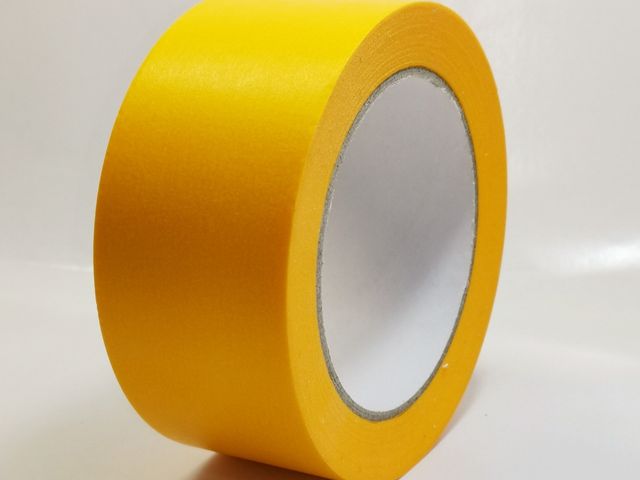
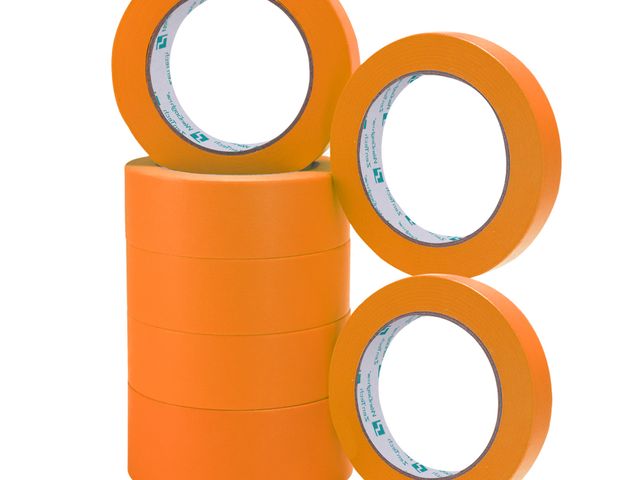
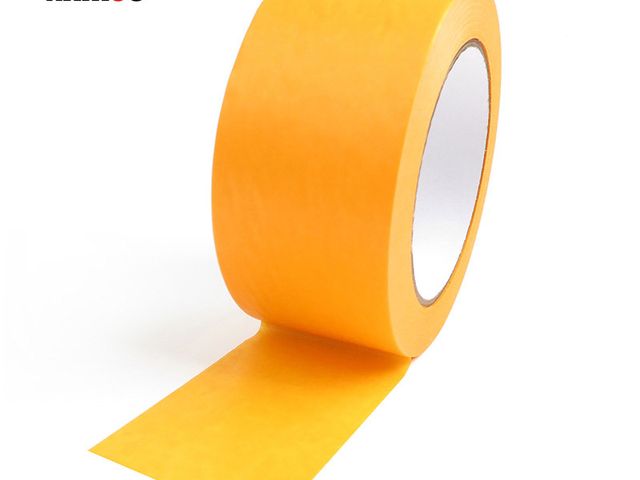
General-purpose washi covers everyday refinish masking; sharp-line grades trade a little strength for the thinnest possible edge; wider grades back up masking film at panel openings. Tell us the paint system and bake schedule and we will match the grade.