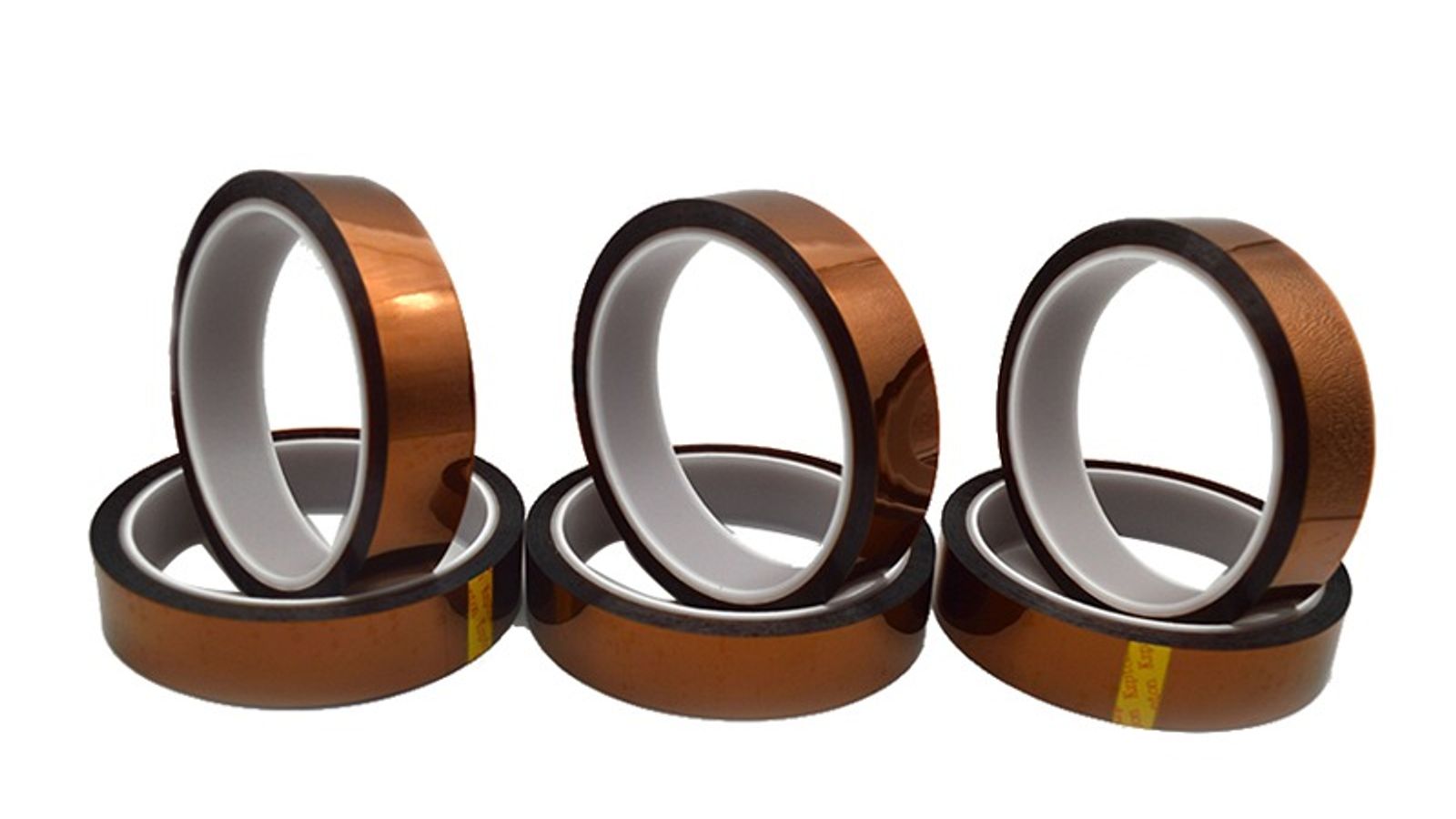
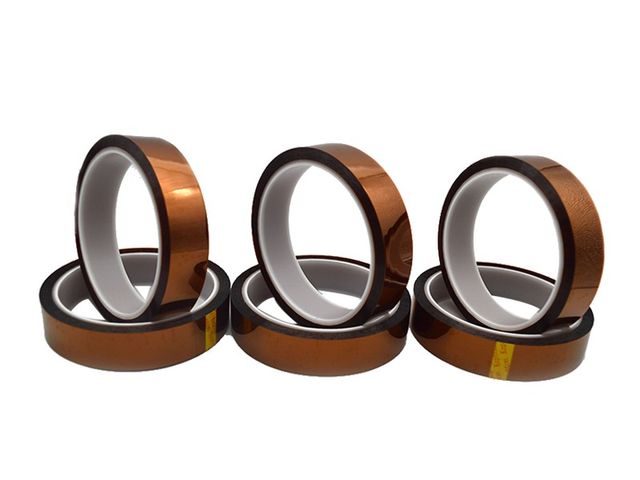
High-temperature masking tape is a pressure-sensitive adhesive tape engineered to withstand elevated finishing and coating processes without melting, charring, or leaving adhesive residue. Temperature capability varies widely by backing material: polyimide (Kapton) tape holds up at 260°C continuous and can tolerate 400°C peaks; PET/polyester tape is rated for 150–180°C; crepe paper tape for 80–120°C; washi paper for 120–150°C; fiberglass-reinforced tape for 300°C+; and aluminum foil tape for 400°C+ short-duration exposure. Choosing the wrong tape for your oven or cure profile is one of the most common causes of rework in powder coating, e-coating, anodizing, and thermal spray lines.
Why Temperature Rating Matters
The temperature rating of a masking tape is not a marketing number — it is a hard process limit. Every backing film and every adhesive system has a maximum continuous service temperature and a separate short-term peak temperature. Exceed the continuous limit and the adhesive flows, the backing wrinkles, and the tape either lifts off the part or fuses to it. Exceed the peak limit and the tape can carbonize, leaving contamination that no solvent clean can fully remove.
Three factors determine whether a tape survives your process:
- Backing film melt point. Polyester film softens around 200°C; polyimide film does not melt until well above 400°C. This is why PET tapes cap out near 180°C while polyimide keeps working in a 260°C oven.
- Adhesive system. Silicone adhesives hold cohesion up to ~260°C and release cleanly. Acrylic adhesives cost less but degrade faster above 150°C. Rubber adhesives are for cold processes like blasting.
- Cure profile, not just oven setpoint. A tape rated for 200°C continuous may still fail if a 260°C spike lasts 20 minutes. Always compare the tape's rating against your full thermal cycle — ramp, dwell, and cool-down.
When you match the tape to the real process temperature, you eliminate two of the costliest failure modes in a finishing shop: bleed-through of coating under a lifting edge, and tape residue baked onto a finished part.
High-Temperature Masking Tape Temperature Chart (80°C–400°C+)
This table is the master reference for every masking tape family LeaderMasking produces. Use it to shortlist candidates, then confirm with the per-family details below.
Masking Tape Families Explained
Polyimide (Kapton) Tape — the 260°C–400°C Workhorse
Polyimide tape, often called Kapton tape after the original DuPont film, is the highest-temperature flexible masking tape commonly available. Its amber film stays dimensionally stable at 260°C continuous and survives short peaks to 400°C, which makes it the default choice for anything that goes through a cure oven hotter than PET can handle.
Because polyimide is a specialty material, we keep its full technical deep-dive separate in our polyimide vs PET tape temperature guide, which covers thicknesses, adhesive types, and shelf-life data in detail. For the buying decision, the key facts are:
- Silicon-adhesive polyimide tape is the industry standard for powder coating and e-coating masking — it releases cleanly after a 200–260°C cure and leaves no silicone residue when applied to clean surfaces.
- Amber polyimide is the standard color; darker, heat-stabilized grades offer slightly higher long-dwell performance.
- Thickness trade-off: 25 µm film conforms to contours and fine radii, while 50–75 µm film resists abrasion in aggressive racking and blasting environments.
You can browse the full range in the polyimide specialty tapes collection.
PET / Polyester Tape — the 150–180°C Workhorse
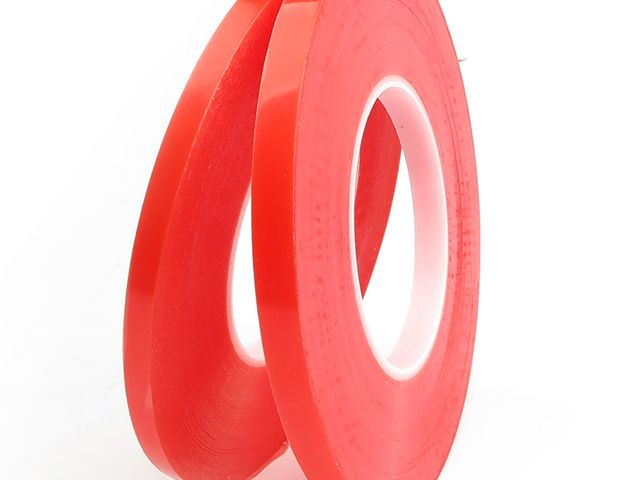
Polyester (PET) tape is the most cost-effective high-temperature masking tape for the 150–180°C range — the sweet spot for most powder coating, e-coating, and anodizing lines. It holds sharp edges, resists solvents, and strips cleanly after cure, which is why it has largely displaced crepe paper in professional finishing shops.
PET tapes come in two main forms:
- Flat roll PET masking tape for long, straight masking lines and panel edges.
- Pre-formed PET shapes — die-cut dots, discs, and caps — for threaded holes, slots, and geometric features that are tedious to mask by hand.
Both use silicone or acrylic adhesive depending on the release requirement. If your process never exceeds 180°C, PET delivers 80–90% of polyimide's performance at a fraction of the cost. See the polyester PET masking tapes collection for roll widths, lengths, and die-cut options.
Crepe Paper and Washi Tape — 80–150°C Economy and Fine Lines
Crepe paper tape is the entry-level high temperature masking tape, rated for roughly 80–120°C. It conforms well, tears cleanly, and costs less than film tapes, but it should not be used where the adhesive must survive a full powder coat cure. Use it for ambient-temperature painting, short low-temp bakes, and general shop masking where a clean edge at a low price matters more than extreme heat tolerance.
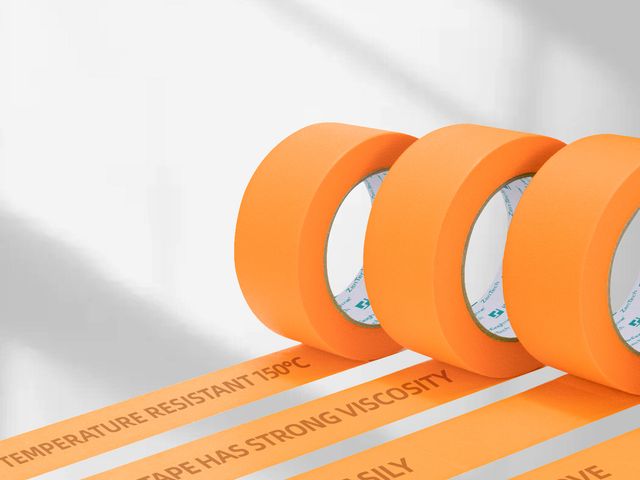
Washi paper tape is the upgraded paper option at 120–150°C. Its denser fiber structure produces crisper lines and resists paint bleed better than crepe, which makes it the standard for two-tone automotive refinish lines and multi-layer coating schemes. Both families are covered in the crepe and washi fine-line tapes collection.
Fiberglass Tape — 300°C+ for Thermal and Flame Spray
Fiberglass cloth tape takes masking beyond the 200°C range that PET and paper can reach. Woven fiberglass backing, typically coated with a high-temperature adhesive, holds up at 260–300°C continuous with peaks to 350°C+. It is the practical choice for thermal spray and flame spray masking, where a hot abrasive blast would erode a film tape in seconds.
Because the woven texture is not perfectly smooth, fiberglass tape is best for masking surfaces that will be grit-blasted, sprayed with molten metal, or masked in areas where the coating will be machined or ground after application. For detailed guidance on spray masking, see the thermal spray tape range.
Aluminum Foil Tape — 400°C+ for the Hottest Processes
Aluminum foil tape is the extreme-duty member of the family, rated for 400°C+ continuous service with short peaks to 500°C. The metallic backing reflects radiant heat, resists molten splatter, and holds its shape where polymer films would fail. It is the go-to tape for flame spray, plasma spray, and other processes that push past 350°C.
Foil tape is not as conformable as polyimide film, so it is best applied to flat or gently curved surfaces. When the process demands both extreme heat and good edge definition, combining a foil tape with a die-cut shape on the exposed edge gives the cleanest result.
Rubber-Backed Cloth Tape — Abrasion Resistance, Not High Heat
Rubber-backed cloth tape fills a different role: it is chosen for abrasion resistance rather than heat. Rated around 150–180°C, it would not be your first pick for a cure oven, but it is unbeatable for sandblasting and media blasting masking. The thick cloth backing absorbs impact from the media stream, protecting the masked surface while the aggressive rubber adhesive holds fast against the blast force.
This is the tape to reach for when masking threads, bores, and machined surfaces ahead of grit blasting. See the rubber-backed cloth blasting tape collection for widths and adhesion grades.
How to Choose a Masking Tape by Process
Temperature is the first filter, but your actual process determines which tape family wins. Here is the decision path for the four most common masking applications.
Powder Coating (180–200°C Cure)
Powder coating is the most demanding common application because parts go through a full cure cycle in the 180–200°C range, and every failure shows as a visible defect on the final finish.
- Under 180°C cure: PET masking tape is the best value — clean edges, clean release, low cost.
- 180–200°C cure or hot racking: switch to polyimide tape, which keeps its dimensional stability and releases cleanly at the top of the powder cure window.
- Threads and holes: use polyimide caps, plugs, and die-cut dots rather than hand-wrapping.
Our powder coating application guide walks through masking strategy for racks, fixtures, and part geometries.
E-coating (Electrocoating)
E-coating runs slightly cooler than powder coating, typically 150–180°C bake, but it adds two complications: the part is fully immersed in a charged bath, and the tape must survive both the chemical bath and the bake without dissolving or lifting.
PET tape with solvent-resistant adhesive is the standard e-coat masking tape for most of the temperature range. Where the bake runs hot, or where the racking points need extra security, polyimide tape is the upgrade. Plugs and caps are essential for threaded holes — e-coat has a habit of wicking into any gap. See the e-coating application guide for a full masking checklist.
Anodizing
Anodizing is a low-temperature chemical process, usually 20–60°C bath temperature, but the masking tape must resist acid etch solutions and prevent the anodizing layer from forming under the mask. Temperature is rarely the limiting factor here; chemical resistance and a bubble-free seal are.
High-adhesion PET tape and polyimide tape both work, with the choice driven by how long the part sits in the bath and how sharply the mask line must be defined. For Type III (hard coat) anodizing, where bath temperatures rise and cycle times stretch, polyimide is the safer choice.
Thermal Spray and Flame Spray (300°C+)
Thermal spray pushes every tape to its limit. The masking tape faces direct flame or plasma impingement, molten particle impact, and surface temperatures that can exceed 300°C at the mask edge.
- Above 300°C: aluminum foil tape is the primary choice for extreme heat with splatter resistance.
- 260–300°C: fiberglass cloth tape handles the heat while offering better conformability than foil.
- Below 200°C: standard polyimide tape works where the part stays cooler than the spray plume.
Because overspray builds up quickly, plan on tape removal and re-masking between passes rather than expecting one application to survive multiple heavy passes. The thermal spray tape range is organized by operating temperature to make this selection fast.
FAQ
What is the maximum temperature for high temperature masking tape?
The highest-rated tapes are aluminum foil (400°C+ continuous, 500°C peak) and polyimide (260°C continuous, 400°C peak). No conventional pressure-sensitive masking tape is designed for sustained service above 500°C — above that, mechanical fixtures or high-temperature ceramic tapes are required.
Can I use regular painter's tape in a powder coating oven?
No. Standard painter's tape is rated for 80°C or less and will bake onto the part at powder cure temperatures of 180–200°C, leaving melted adhesive that requires aggressive cleaning. Use at least a 150°C-rated PET tape, and preferably polyimide, for powder coating.
What is the difference between 150°C and 260°C masking tape?
The rating refers to the continuous service temperature of the backing and adhesive system. A 150°C-rated PET tape is fine for a 180°C cure with short dwell, while a 260°C-rated polyimide tape is designed for sustained high-temperature service and hot racking. The higher-rated tape costs more, so match the rating to your worst-case cure profile.
Does silicone adhesive contaminate parts before coating?
Silicone adhesive can transfer to a surface if the tape is applied to a contaminated or oily area, or if it is baked far beyond its rating. On clean, properly prepared surfaces, high-temperature silicone tape releases without silicone residue. If silicone contamination is a hard requirement to avoid, choose a PET or polyimide tape with a non-silicone adhesive option.
How do I remove high temperature masking tape after a hot process?
Allow the part to cool below 60°C before removal, then pull the tape back on itself at a low angle rather than straight up. If adhesive remains, a mild solvent wipe is usually sufficient. Never pull tape off a part that is still above its adhesive's service range — that is when residue transfer and film tearing occur.
Choosing the Right Tape for Your Line
Temperature is the single most reliable way to shortlist a masking tape: match the tape's continuous rating to your process oven or bath temperature, then pick the family that gives you the edge quality, conformability, and price point your part requires. Start with the temperature chart above, confirm against your full cure profile, and when in doubt, take one step up the temperature ladder — the cost of a tape upgrade is almost always lower than the cost of a rejected part.
For the full selection of high-temperature masking tapes, polyimide tapes, PET tapes, and thermal spray products, browse the LeaderMasking product catalog and filter by operating temperature to find the exact tape for your process.