Technical
How Hot Does a Powder Coating Oven Get? The 180–200°C Cure Window and How Masking Survives It
Powder coating ovens cure at 180–200°C for 10–30 minutes. See how masking materials survive the heat and request free samples at LeaderMasking.
Powder coating ovens cure at 180–200°C for 10–30 minutes. See how masking materials survive the heat and request free samples at LeaderMasking.
A powder coating oven reaches a standard cure temperature of 180–200°C (356–392°F), where the coated part is held for 10–30 minutes after the metal itself reaches that temperature. Most thermoset polyester and epoxy powder formulations specify this window because it is the range where the powder melts, flows, and chemically cross-links into a durable film. Low-temperature powders cure at roughly 160°C (320°F), and high-temperature specialty powders — ceramic coatings, heavy-duty anti-corrosion systems, and some high-performance thermosets — can require up to 250°C (482°F). That band is the single most important number in powder coating: it determines how your coating cures, and it decides which high-temperature masking tapes and materials will survive the cycle and which will char, shrink, melt, or weld themselves to your part.
New operators assume the oven set-point is the temperature the part sees. It is not. The cure spec for a powder is written for the metal temperature, not the air temperature in the oven. A batch oven may be set at 200°C, but a thick steel bracket that weighs several kilograms will lag far behind the air reading because steel has high thermal mass and the coating film itself is a poor conductor until it melts.
This lag is why cure schedules quote a time range: 10–30 minutes at 180–200°C. The lower end applies to thin sheet metal, which reaches the set-point in a few minutes. The upper end applies to castings, thick plate, and dense weldments, where the core is still warming while the surface film has already gelled. If you pull a heavy part at the low end of the schedule, you risk an under-cured film that is soft, scratches easily, and has poor chemical resistance. If you overshoot, you risk over-bake: discoloration, embrittlement, and loss of gloss.
In practice, shops control this by using a part probe — a thermocouple clipped to the part or placed in a representative drilled hole — and starting the cure timer only when the probe reads the target temperature. Air temperature is a proxy; metal temperature is the truth.
The most common oven in job shops is the batch convection oven. Parts hang on racks or hooks, hot air circulates through the chamber, and heat transfers to the metal through convection. Batch ovens are flexible — they handle mixed loads, odd geometries, and small-to-medium volumes — but they are the slowest to bring parts up to temperature, which is exactly where thermal lag bites hardest. A heavy part in a batch oven can spend 20–30 minutes climbing from ambient to 200°C, and every one of those minutes counts for your masking.
High-volume lines use conveyor (monorail) ovens, where parts ride continuously through a heated tunnel on a set dwell time. The conveyor speed is tuned so a part spends the full cure window in the heated zone. Because the line runs at steady state, conveyor ovens are easier to predict than batch ovens — but they are unforgiving if a load includes a mix of light sheet and heavy castings, because the dwell time is fixed by the slowest part.
Some lines add infrared (IR) zones before or within the convection tunnel. IR heats the surface directly and aggressively, which is excellent for flat panels and fast color changes, but it can create a large temperature difference between the surface and the core of a thick part. On an IR-assisted line, the peak surface temperature can overshoot the 180–200°C window even when the air temperature looks normal. That surface overshoot is precisely the scenario that destroys marginal masking — a PET tape that is fine at 180°C may start to shrink or transfer adhesive at 210°C on the surface.
For masking selection, what matters is the maximum temperature your masking material actually experiences, which is the hottest local surface temperature during the whole cycle — not the oven set-point and not the average part temperature. On an IR line, the surface of a dark, thin part can spike well above the nominal cure temperature. On a batch line, the oven controller may overshoot by 10–15°C before settling. A responsible masking engineer sizes the material for the worst-case local temperature plus margin, not for the label on the oven.
Standard thermoset polyesters and epoxy-polyester hybrids dominate industrial powder coating, and nearly all of them cure within 10–30 minutes at 180–200°C metal temperature. The specific product data sheet always overrides general advice: some fast-cure formulations are fully cross-linked in 10 minutes at 200°C, while a wrinkle or textured finish may need the full 30 minutes at 180°C to develop its structure.
Low-temperature powders, around 160°C, exist for two reasons: they allow coating temperature-sensitive substrates such as MDF, assembled components with plastic fittings, and some aluminium alloys that soften or age-harden above 180°C. They also cut energy costs on high-volume lines. A low-temp powder is an attractive option, but it does not automatically make masking easier — many still need the full 10–30 minute hold, and a long soak at 160°C can be as harsh on a crepe paper tape as a short spike at 200°C.
High-temperature specialty powders up to 250°C — ceramic-coated components, exhaust and engine parts, corrosion-resistant systems for offshore and chemical service — are a different world. At 250°C, most polymer masking materials are out of the question, and you are down to silicone, polyimide, and metal or ceramic caps. If you run these powders, the masking conversation changes entirely, and standard off-the-shelf tape may not be enough.
Every masking material has a temperature ceiling. Match the ceiling to your cure window and your part geometry, and you get clean edges, no adhesive transfer, and reusable tooling. Miss it, and you get baked-on adhesive, charred tape that crumbles off in the field, or silicone oil contamination that causes fisheyes in the next coat.
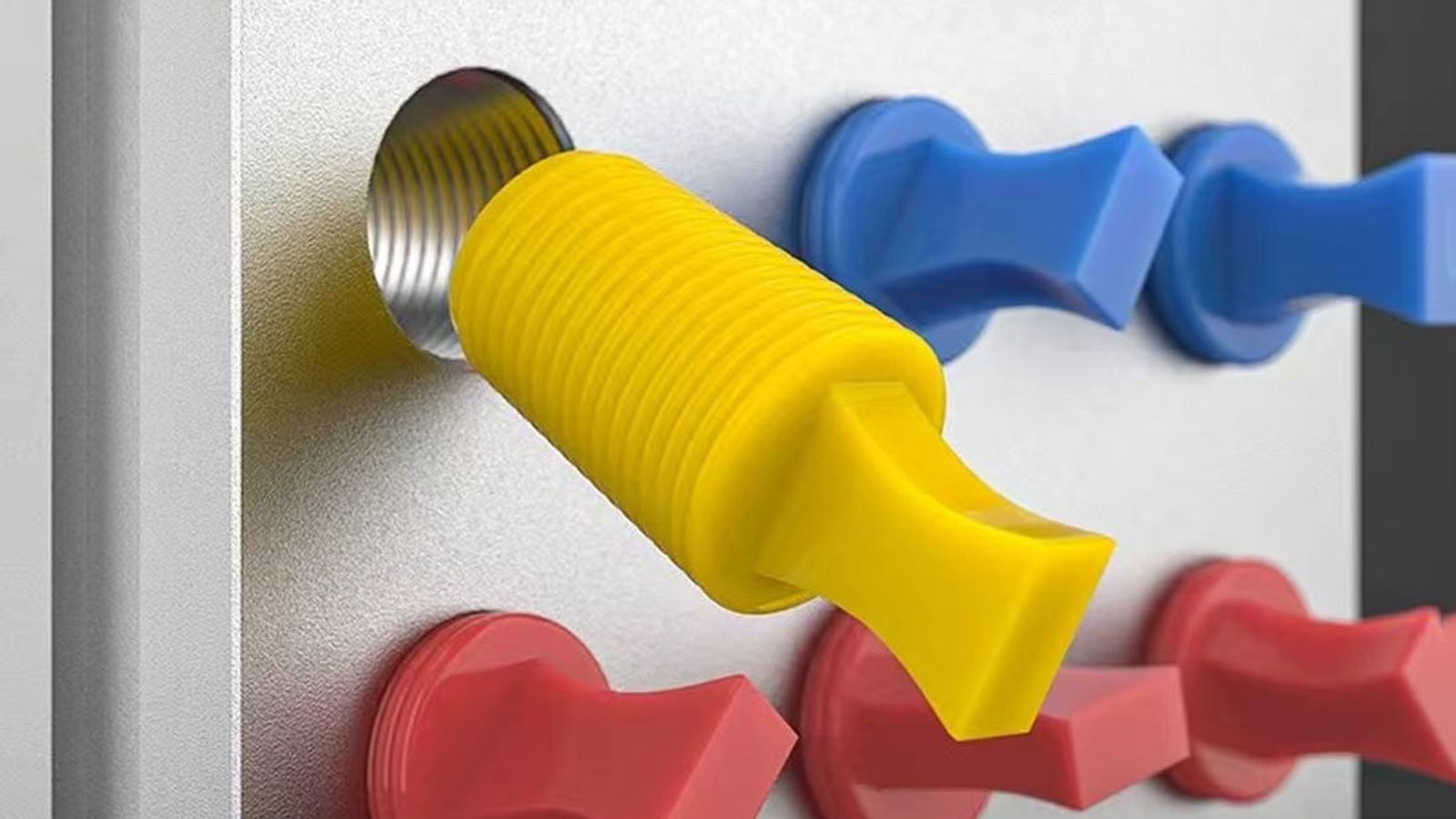
Silicone is the workhorse of powder coating masking because it tolerates about 260°C continuously — comfortably above even a hot 200°C cure with margin. High-temperature silicone masking plugs seal threaded holes, ports, and bores, while high-temperature silicone masking caps protect studs, tube ends, and outside diameters. The real economic advantage is reuse: silicone does not degrade across a single cure, so plugs and caps are pulled after cooldown, washed, and sent through the oven again. A good silicone plug survives dozens of cycles, which makes the per-part cost far lower than tape even though the initial price is higher. The trade-off to manage is that silicone can leave silicone oil behind if it touches the coating at high temperature, so fit matters — a plug should seal without forcing, and it should come out cleanly with the correct tooling.
Polyimide tape (often called Kapton after the original brand) handles about 260°C continuous and up to 400°C peak. That rating is what makes it the default for fine-edge masking on critical surfaces: flange faces, precision bores, powder-stop lines, and anywhere a clean, crisp edge matters. High-temperature polyimide tape rolls hold their dimensional stability across repeated cycles, resist the solvents in your pre-treatment line, and strip cleanly with minimal residue. For jobs that go through the oven on a daily basis — especially the same fixtures and the same masked surfaces — polyimide pays for itself because it does not need replacing every run. Its weaknesses are cost and thickness: it is a thin film, so it does not mask deep bores or provide mechanical protection the way a silicone plug does.
Polyester (PET) tape is rated for roughly 150–180°C continuous, which puts it right on the edge of the standard 180–200°C cure window. The common green polyester tape used for masking during anodising and light powder jobs can survive the low end of the window if the line is well-controlled, but at a genuine 200°C soak it will shrink, curl at the edges, and leave adhesive behind — especially on corners and after long dwells. Treat green PET high-temperature masking tape as a single-cycle, controlled-temperature product: fine for masking grooves, slots, and flat surfaces when you know your line holds 180°C or less, risky for heavy parts that lag slowly through the window or for IR lines with surface overshoot. If you cannot guarantee the temperature, step up to polyimide or silicone.
Crepe and washi paper tapes are rated for 80–150°C, which puts them below any standard powder cure. They have a place in powder shops — masking during wet-paint stages, masking for media blasting, or masking parts that are only being partially coated and never baked — but they are not a cure-window product. A paper tape pulled through a 180°C bake will bake hard, shrink, and delaminate, and it often leaves fibrous residue that blasts out of threaded holes later. If your process includes an oven, do not reach for paper.
| Masking material | Max continuous temp | Survives standard 180–200°C cure? | Best use |
|---|---|---|---|
| Silicone plug / cap | 260°C | Yes — reusable | Threads; bores; tube ends; OD masking; repeated cycles |
| Polyimide (Kapton) tape | 260°C (400°C peak) | Yes — repeatable | Fine edges; powder stops; flange faces; multiple cycles |
| PET (polyester) tape | 150–180°C | Borderline at 180°C | Grooves; flat surfaces; single cycles on well-controlled lines |
| Crepe / washi paper tape | 80–150°C | No | Pre-bake stages; wet paint; blasting only |
The single biggest cost lever in powder masking is reuse. A silicone plug or cap that survives 260°C will come through a 180–200°C cure completely unchanged. After cooldown, knock the parts off, inspect the plugs for cuts or heat damage, and put them straight back on the rack. Shops that standardise on high-temperature silicone tooling report per-part masking costs a fraction of disposable tape, and they never deal with baked-on tape residue on a customer-critical thread. Because silicone flexes, it also seals better than tape on tapered and out-of-round ports — and it releases cleanly when the part is warm.
Sealed parts and blind holes are a masking failure waiting to happen. When a plugged cavity heats up, trapped air expands and pressure builds inside. That pressure can pop a plug mid-cure, blow the coating off around the hole, or push a cap off the end of a tube. High-temperature silicone vent plugs solve this with a breather channel that equalises pressure while still keeping powder out of the bore. If you are masking sealed boxes, closed-end tubes, or any cavity with no natural vent, use a vent plug rather than a solid cap — otherwise the first hot batch will teach you why.
Masking behaves differently depending on when you pull it. Warm removal — while the part is still around 50–80°C — is easiest for silicone plugs and caps, because silicone flexes more when warm and the coating is not yet fully hardened, so plugs release cleanly without tearing the film edge. Tape is the opposite: peel polyimide and PET tape while the part is still slightly warm but after the coating has set, and you reduce adhesive stringing; peel it cold and you risk pulling crisp edges or leaving a ghost of adhesive. For critical machined surfaces, let the part cool fully, then remove tape carefully — the powder film is hardest and the edge is cleanest, but adhesive residue is more likely on the tape side. The right answer depends on your part, but the rule of thumb is: pull plugs warm, pull tape warm-to-cool depending on how aggressive your coating is, and never pull masking before the part has cooled below about 60°C on a fresh film.
A standard powder coating oven runs at 180–200°C for the cure stage, with parts held at metal temperature for 10–30 minutes. Low-temperature powder cures at about 160°C, and high-temperature specialty powders can require up to 250°C.
No — 200°C is within the normal cure window for most thermoset polyester and epoxy powders, and many fast-cure formulations are designed to be cured at exactly 200°C for 10–15 minutes. What matters is the metal temperature, not just the air temperature, and the specific data sheet for your powder. Some aluminium alloys and temperature-sensitive assemblies should not exceed roughly 180°C, which is why low-temperature powders exist.
Over-baking degrades the film: you get colour shift and yellowing, loss of gloss, surface orange-peel, embrittlement, and reduced impact resistance. In extreme cases the film becomes brittle enough to crack or chip in handling. Over-curing can also damage your masking — tape adhesive bakes onto the part, silicone can leave contamination, and paper tapes char.
Yes. Silicone plugs and caps are rated for about 260°C continuous, which is well above the standard 180–200°C cure. They are reusable across many cycles, seal threaded holes and bores tightly, and release cleanly when pulled warm. For sealed or blind cavities, use a vent plug so expanding air does not pop it mid-cure.
It depends on the material. Polyimide tape withstands about 260°C continuous (400°C peak); PET polyester tape is rated for 150–180°C, which is borderline for a standard cure; and crepe or washi paper tape is limited to 80–150°C and should not be baked. For a 180–200°C cure, polyimide is the reliable choice.
The 180–200°C cure window is the ground truth of every powder coating job. Once you know your oven's real temperatures — set-point, local surface spikes, and the time your part spends at metal temperature — masking selection becomes straightforward: silicone for reusable plugs and caps, polyimide for crisp edges and repeated cycles, PET only when you can hold a controlled 180°C, and paper only when there is no oven at all. If you are setting up a new line, quoting a hot job, or burning through tape on parts you mask every week, the fastest way to cut cost and reject rate is to match the material to the window.
Ready to test masking against your own oven? Request samples from LeaderMasking and talk to an engineer about your cure temperature, part geometry, and cycle frequency — we will spec the plugs, caps, and tapes that survive the heat. Email us at leadermasking-global.com or use the sample request form on any of our product pages.
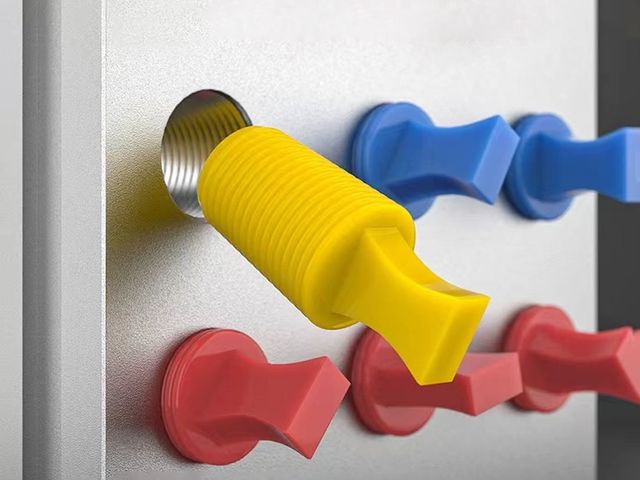
Silicone Masking Plugs
High-Temperature Silicone Masking Plug for Powder coating lines - send your drawing for a matched quote.
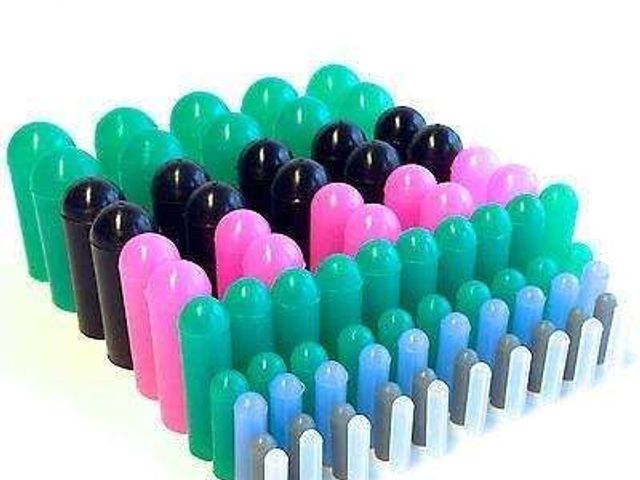
Silicone Masking Caps
High-Temperature Silicone Masking Cap for Powder coating lines - send your drawing for a matched quote.
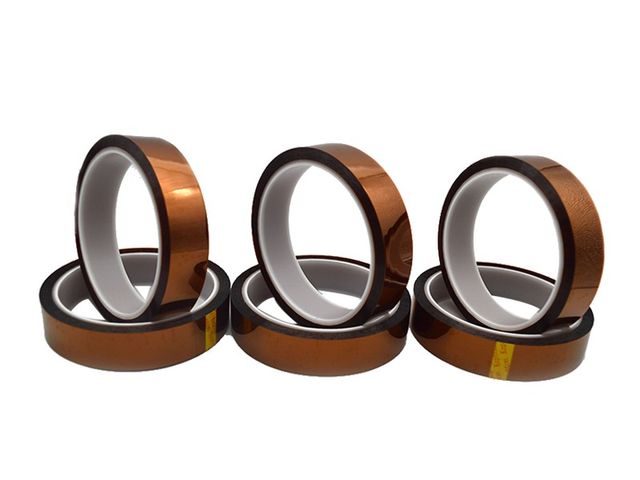
Polyimide & Specialty High-Temperature Tapes
High Temperature Polyimide Tape Rolls for electronics masking and solder masking work, with high heat stability and thin carrier.
Send drawings, dimensions, material, environment or operating conditions, and we will help confirm the right specification.
Uploaded reference files are included with the inquiry. For larger CAD packages, reply to the confirmation email or send them here:
Our team typically replies within 24 business hours.