Selection Guide
Surface Protection Film for Masking: HDPE vs Pre-Taped vs PE Film (2026 Guide)
Surface protection film for powder coating masks large panels at 90-150°C without residue. Compare HDPE, pre-taped and PE film cost per m2. Get a quote.
Surface protection film for powder coating masks large panels at 90-150°C without residue. Compare HDPE, pre-taped and PE film cost per m2. Get a quote.
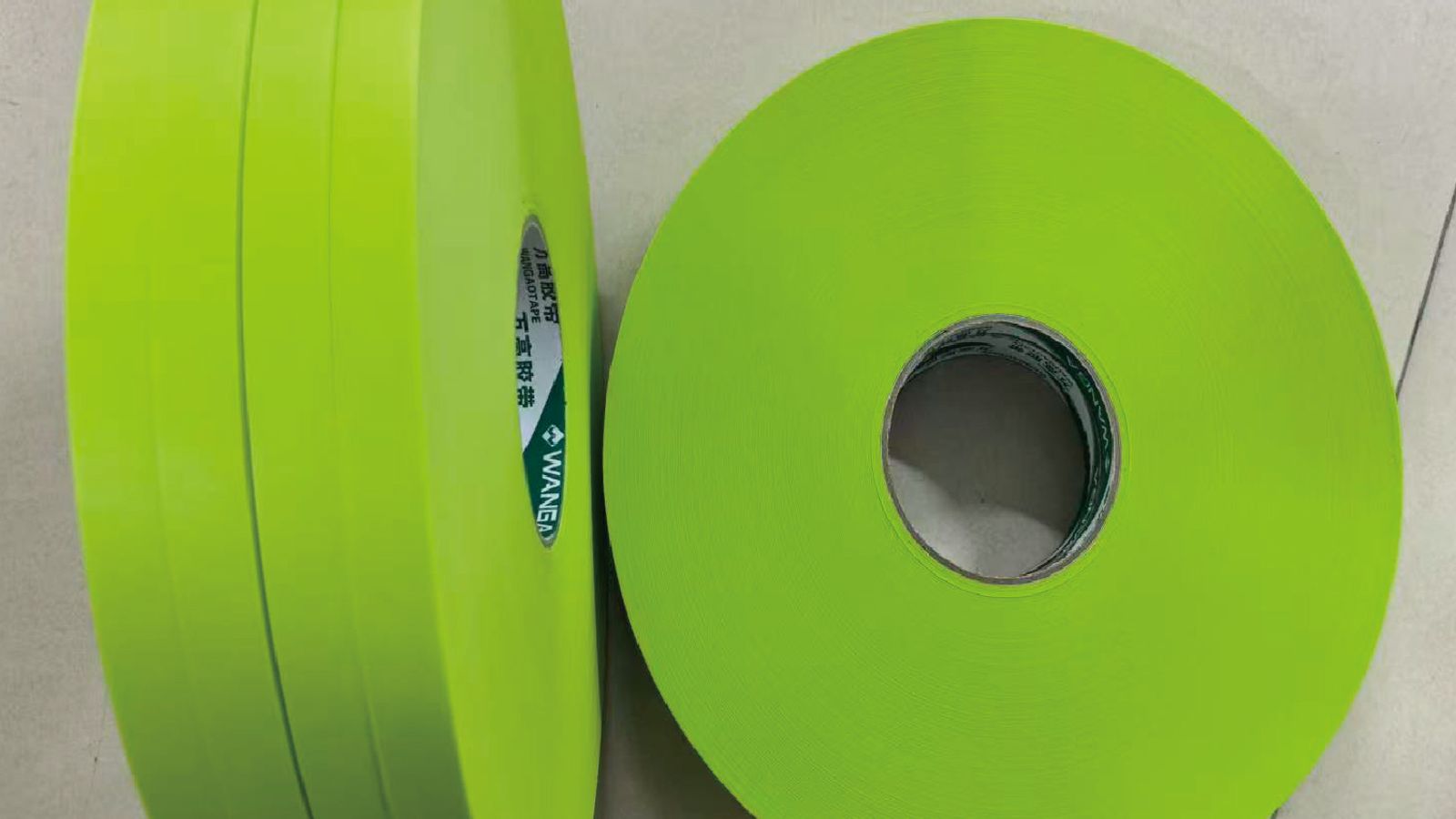
Surface protection film for masking is a flexible polymer sheet applied over large flat areas of a workpiece to shield finished panels, sheet metal, and coated surfaces from overspray, coating buildup, scratches, and contamination during powder coating, e-coating, anodizing, plating, and painting. Where masking tape guards narrow edges, seams, and threads, surface protection film is supplied in wide rolls and covers square meters of area in a single pass. Industrial masking films fall into three temperature classes: standard PE temporary protection film rated to roughly 70°C for transport, handling, and light-duty protection; HDPE masking film engineered for full oven and curing cycles in the 90–150°C range; and pre-taped masking film that pairs a 120–150°C-rated adhesive strip with a carrier sheet so operators can mask a large panel and its edges simultaneously. Choosing the right class is the difference between a clean, residue-free finish and a rework that costs far more than the film itself.
Surface protection film, also called masking film, covering film, or temporary protection film, is a self-adhesive polyethylene sheet applied to surfaces that must stay uncoated while adjacent areas are processed. It performs three jobs at once:
The defining feature of a good masking film is that it must hold its shape and adhesion through the process temperature, then release cleanly with no adhesive residue and no damage to the surface underneath. That temperature requirement is what separates the product classes. A standard PE film temporary protection is fine at ambient temperatures and mild heat up to about 70°C, but it will soften, shrink, or transfer adhesive if you put it through a powder coating cure oven. A high temperature HDPE masking film is engineered to survive repeated exposure to 90–150°C and peel away cleanly afterwards.
The three main types of masking film are often confused because they look similar on the roll. They serve different jobs, and the price and performance differences are meaningful.
High-density polyethylene (HDPE) masking film is the workhorse for powder coating and e-coating lines. It is manufactured from high-density polyethylene resin, which gives it a higher melting point and better dimensional stability than standard low-density PE film. Industrial-grade HDPE masking film is rated for continuous service at 120–150°C with short peaks up to 180°C, which comfortably covers standard powder coating cure schedules (typically 10–20 minutes at 180–200°C in the oven, where the part surface sits slightly lower) and e-coat baking cycles.
HDPE film is available with a low-tack removable adhesive. It is applied by hand or with a simple application roller, adheres firmly enough to stay in place through racking and oven cycling, and is removed after cooling. The high-temperature adhesive system is formulated to release cleanly from powder-coated, anodized, and painted surfaces without leaving tacky residue or ghost marks. For maximum visibility in QC-heavy facilities, high temperature blue HDPE masking film is a popular variant — the blue tint makes any film left on a panel instantly obvious before the part ships, which is a simple but effective failsafe against a customer receiving a panel with a film still attached.
Pre-taped masking film, also called pre-taped covering film or edge-taped film, is a carrier sheet with a pressure-sensitive adhesive tape bonded to one edge. The operator unrolls the film, presses the taped edge down along the boundary of the area to be protected, and then lays the film across the surface. Because the tape anchors one edge while the film body covers the rest, pre-taped film is the fastest way to mask a large area that has edges or seams that also need protection.
Pre-taped films are widely used in painting booths, powder coating lines, and repair-and-refinish shops where a panel must be covered but its edges, flanges, or adjacent trim must stay masked too. A pre-taped masking film for painting typically carries a polypropylene or crepe tape rated to 90–120°C on a PE or HDPE carrier, which is adequate for paint baking and low-to-mid-temperature powder cure cycles. Because the tape is the temperature-limiting component, always check the tape rating before using pre-taped film in a high-temperature cure.
PE temporary protection film is the low-cost, low-temperature option. It uses a soft low-density polyethylene carrier and a very light acrylic adhesive, and it is designed for short-term protection at ambient conditions: protecting finished panels during storage, transport, cutting, bending, and assembly. It is not engineered for oven processes. Exposed to sustained heat above roughly 70°C, the film can soften, wrinkle, or leave adhesive on the part. PE film is ideal for protecting anodized or coated surfaces while they wait for the next process step — but it should be removed before any cure or bake cycle.
| Property | HDPE Masking Film | Pre-Taped Masking Film | PE Temporary Protection Film |
|---|---|---|---|
| Temperature rating | 120–150°C continuous (peaks to 180°C) | 90–120°C (tape-limited; check spec) | Up to 70°C; ambient only |
| Primary use | Powder coating; e-coating; anodizing rack protection; oven curing | Painting; powder coating — large areas plus edge masking in one pass | Transport; storage; handling; interim protection |
| Adhesive type | High-temp removable rubber/silicone | Pressure-sensitive edge tape | Low-tack acrylic |
| Residue risk on removal | Very low when removed warm or cool | Low (limited to tape strip) | Very low |
| Cover speed on large panels | Fast — one sheet per panel face | Fastest — sheet and edges in one pass | Fast |
| Conformability | Flat and slightly curved surfaces | Flat surfaces; clean edges | Flat surfaces |
| Reusability | Yes; multiple cycles with care | Limited | Yes; several uses |
| Typical cost per m² | Moderate | Higher | Lowest |
Masking material selection is a geometry decision as much as a temperature decision.
Use masking tape for narrow features: edges, seams, flanges, threads, holes, radiuses, and any boundary line thinner than about 25 mm. Tape conforms to curves and crisp corners that film cannot follow, and it creates a clean paint cutoff line. For deep holes and threaded ports, tape is often combined with silicone plugs and caps — see our HDPE masking plugs plating guide for the interaction between plug materials and plating chemistries.
Use surface protection film for large flat areas: the faces of panels, doors, lids, enclosures, sheets, and finished flat stock. A 1.2–2.0 m wide roll covers more surface in minutes than dozens of tape strips, and film leaves a smoother, more uniform mask than overlapping tape lines.
Use liquid maskant for complex three-dimensional geometry: castings, machined housings, threaded features, and deep cavities where neither tape nor film can conform. Peelable liquid maskants are brushed, dipped, or sprayed on, dry to a rubbery skin, and are peeled off after processing. They are slower to apply and more expensive per square meter than film, but they are the only practical option for irregular contours.
For powder coating lines specifically, the standard best practice is to pair HDPE film for the flat faces with tape or plugs for edges and holes. Our powder coating application guide walks through the full masking strategy, from racking layout to film removal timing.
Masking a large panel with conventional tape is a two-step chore: lay the tape perimeter, then cover the interior with film or paper. Pre-taped film collapses that into one step. The operator unrolls the film, aligns the taped edge with the boundary of the protected zone, presses the edge tape down, and sweeps the film across the surface. The taped edge simultaneously masks the seam or flange while the film body masks the face.
On a production line processing dozens of identical panels per day, the time saving is substantial. Field experience in coating shops suggests pre-taped film can cut masking labor on flat panels by 40–60% compared with tape-and-film combinations, because it eliminates the separate perimeter taping operation and reduces the number of material transitions. Pre-taped film also produces a more uniform mask: there are no overlapping tape seams to trap powder, and the film lies flat without wrinkles, so the paint cutoff line is clean and reproducible.
Adhesive residue is the most common complaint with masking film, and it is almost always a product-selection or removal-timing problem. Follow these rules:
Masking film is supplied in full-width rolls, so most shops need a fast way to cut it to size. The simplest methods are a sharp knife or a shear/guillotine for straight cuts, and a hand roller for application. For higher-volume work, consider:
Whatever cutting method you use, keep the cut edge square and free of burrs. A ragged cut edge lifts during curing and lets powder or paint bleed underneath, which defeats the purpose of the mask.
Masking film is a consumable, but it is a reusable one — which changes the cost picture significantly. HDPE masking film with a clean removal can often be reused for several coating cycles on identical parts, provided it is stored flat, kept clean, and inspected for damage between uses. PE temporary protection film is commonly reused for multiple transport and handling steps.
For maximum shelf life and reliable performance:
Masking film is usually priced per square meter, and the cost spread across the three types is large. As an indicative guide:
The real cost comparison is not material price alone. Account for labor: masking labor typically dominates the total masking cost per part, so a film that costs twice as much per square meter but covers a panel in half the time is usually cheaper overall. For example, if an operator spends three minutes masking a panel with tape and film, and ninety seconds with pre-taped film, the labor saving at a modest shop rate easily exceeds the extra material cost on any panel larger than a few tenths of a square meter.
The film you choose also depends on the process chemistry around it.
Powder coating. HDPE film is the standard choice because of the 180–200°C cure ovens (surface temperature 90–150°C on the protected zones). Film protects finished faces from overspray and from the mechanical damage of racking. See our powder coating masking guide for a full line-level masking plan.
E-coating. E-coat lines are electrochemical, so the mask must block current and chemistry, not just heat. Film acts as a barrier, but edges and holes that must stay bare typically need dedicated plugs and caps. The interaction between masking materials and e-coat bath chemistry is covered in detail in our masking for e-coating lines guide.
Anodizing and plating. In anodizing and plating, the part is fully immersed in aggressive chemical baths. Film is used to protect pre-finished faces from the bath, but it must survive acid or alkaline exposure at elevated bath temperatures (anodizing baths commonly run at 18–22°C, hard coat up to 0–5°C, and some plating baths well above 60°C). Confirm the film's chemical resistance, not just its heat rating, before immersion. For racking and tank-side masking strategies, our anodizing and e-coating masking guide is a practical starting point.
It depends on the material class. PE temporary protection film is rated to roughly 70°C and is for ambient protection only. HDPE masking film withstands continuous service at 120–150°C with short peaks to 180°C, which covers standard powder coating and e-coat cure cycles. Pre-taped film is typically rated 90–120°C because the adhesive strip, not the carrier, sets the limit.
Yes. HDPE masking film with clean removal can often be reused for several coating cycles on identical parts, and PE protection film is commonly reused for multiple handling and transport steps. Store film flat, clean, and out of direct sunlight between uses, inspect it for damage, and discard film that shows embrittlement, cracks, or transferred overspray.
Residue is almost always caused by using an under-rated film in an oven, removing the film at the wrong time (mid-cool), leaving film on too long under UV or heat, or using an incompatible adhesive chemistry. Match the temperature rating to the process, remove film warm or fully cool as the supplier specifies, and validate on a test coupon when the surface is sensitive.
Pre-taped masking film has a pressure-sensitive adhesive tape bonded to one edge of the carrier sheet, so a single piece of material masks both the large surface and its edge or seam. Regular masking film has a full adhesive coating and covers the flat face only, requiring separate tape for edges. Pre-taped film is faster on panels that need edge masking; plain film is more economical for large unbroken faces.
Use film for large flat areas — it is faster, cheaper per square meter, and easier to remove. Use liquid maskant for complex 3D geometry, threads, cavities, and contours that film cannot conform to. Many parts use both: film on the faces and liquid or plugs on the intricate features.
Choosing the right surface protection film comes down to three numbers: the process temperature, the panel geometry, and the cost per square meter including labor. If you are masking large flat surfaces through powder coating, e-coating, anodizing, plating, or painting, our team can match the film class, adhesive, width, and cut format to your line. Browse the full masking film and surface protection range, or contact our sales team with your panel dimensions, process temperature, and annual volume — we will send a sample, a specification, and a per-square-meter price for your evaluation within one business day.
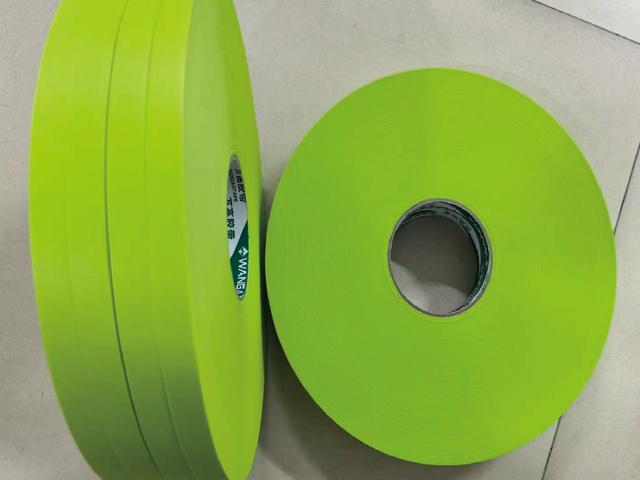
Masking Films & Surface Protection
High-Temperature HDPE Masking Film for Automotive refinishing & OEM painting lines - send your drawing for a matched quote.
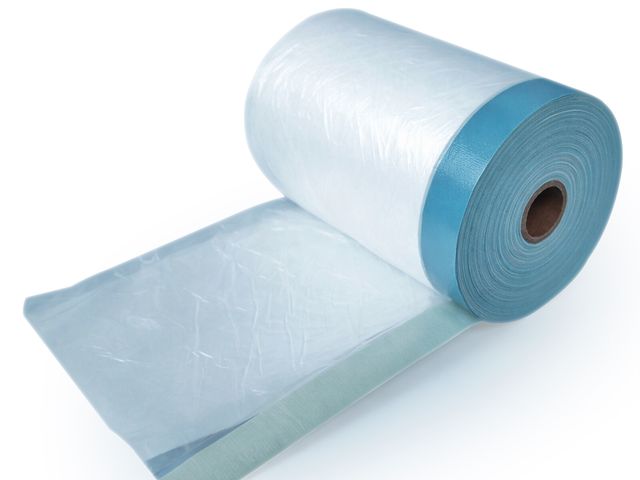
Masking Films & Surface Protection
HDPE Masking Film for Automotive refinishing & OEM painting lines - send your drawing for a matched quote.
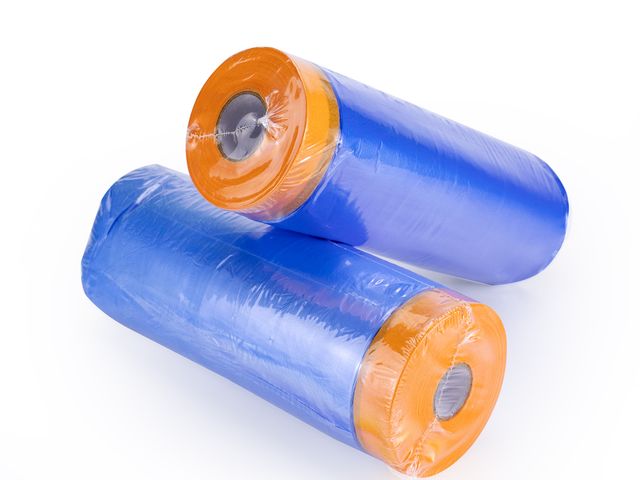
Masking Films & Surface Protection
High-Temperature Blue HDPE Masking Film for Automotive refinishing & OEM painting lines - send your drawing for a matched quote.
Send drawings, dimensions, material, environment or operating conditions, and we will help confirm the right specification.
Uploaded reference files are included with the inquiry. For larger CAD packages, reply to the confirmation email or send them here:
Our team typically replies within 24 business hours.