Technical
Rubber-Backed Cloth Masking Tape: The Conformable Choice for Curved and Irregular Surfaces
Rubber-backed cloth masking tape conforms to curved surfaces for blasting, thermal spray, and liquid paint. Compare ratings and request a quote.
Rubber-backed cloth masking tape conforms to curved surfaces for blasting, thermal spray, and liquid paint. Compare ratings and request a quote.
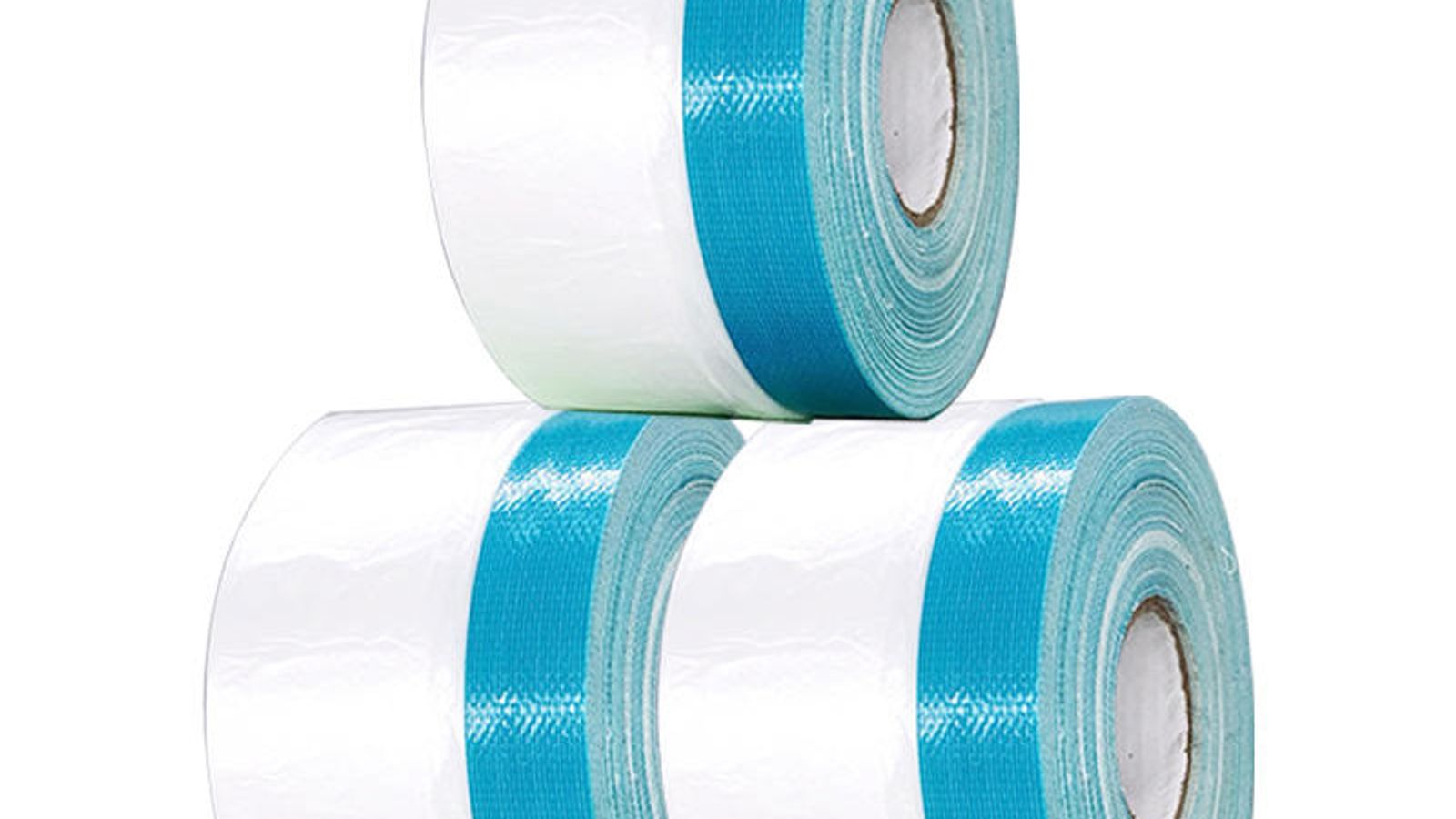
Rubber-backed cloth masking tape is a conformable, hand-tearable masking tape built from a woven cloth carrier coated with a rubber-based adhesive, engineered to protect curved, threaded, and irregular surfaces during abrasive blasting, thermal spray, and liquid paint application. Unlike stiff film tapes, the cloth backing drapes over compound curves and sharp edges, while the rubber adhesive delivers strong initial tack without heat, primer, or special equipment. In continuous service it performs to roughly 100–150 °C (212–302 °F), with short-term peaks to about 200 °C (392 °F) on process cycles that last minutes rather than hours. Because it pairs moderate heat tolerance with exceptional shape-following ability and real abrasion resistance, rubber-backed cloth tape occupies the practical middle ground between everyday vinyl blast tape and premium silicone-coated high-temperature tapes. It is the right tool whenever the geometry of the part — not the oven temperature — is the hard problem to solve.
A rubber-backed cloth tape, also called cloth-backed masking tape or blasting cloth tape, has two functional layers: a woven fabric carrier and a rubber-based pressure-sensitive adhesive. The rubber-backed cloth construction is simple, but each layer does specific work.
The cloth backing is the workhorse. A tightly woven cotton or cotton-blend fabric gives the tape tensile strength, puncture resistance, and a slightly textured surface. That texture is why cloth tape survives abrasive blasting better than films: when grit strikes the tape, the cloth spreads the impact across the weave instead of letting a single particle pierce through to the part underneath. The same carrier protects the substrate from the hot particles thrown by a thermal spray gun.
The adhesive layer is a natural or synthetic rubber resin system. Rubber adhesives are valued for aggressive initial tack — the tape grabs the instant it touches the surface, which matters when you are masking overhead, on vertical panels, or on freshly blasted steel. Rubber also wets out well on rough and porous surfaces, sealing small irregularities that a film tape would bridge and leak around.
Temperature performance is governed by the adhesive. Because rubber is the weak link, cloth tapes with rubber adhesive carry a moderate rating: continuous service around 100–150 °C, with short peaks to roughly 200 °C for bake cycles measured in minutes. For the exact rating of a specific build, check the data sheet on the high-temperature rubber-backed cloth blasting tape product page. Above 200 °C, rubber adhesive softens, migrates, and bakes onto the substrate, turning a clean masking operation into a residue-removal project. If your line regularly exceeds 200 °C, a silicone-adhesive tape is the more appropriate choice — our high-temperature masking tapes guide walks through the decision.
Rubber-backed cloth tape is most often cross-shopped against vinyl blast tape, fiberglass cloth tape, and PET (polyester) film tape. The table below compares them on the properties that decide which tape a line should actually run.
| Property | Rubber-backed cloth | Vinyl blast tape | Fiberglass cloth (silicone) | PET film (silicone) |
|---|---|---|---|---|
| Adhesive | Natural/synthetic rubber | Rubber-based | Silicone | Silicone |
| Temperature range (°C) | ~100–150 continuous; ~200 short | ~80 continuous; ~100 short | ~260 continuous; ~300 short | ~180–220 continuous; ~260 short |
| Conformability | Excellent — drapes and stretches over compound curves | Good on gentle curves; stiffens in cold | Good on contours but stiff; non-stretching weave | Poor — stiff film wrinkles and tents on curves |
| Abrasion resistance | Good — cloth weave spreads media impact | Moderate — film can be pierced or embedded | Excellent | Low |
| Hand tear | Yes; clean in both directions | Yes | No — scissors or knife required | No — cut required |
| Residue | Low if removed promptly; soft residue if over-baked | Moderate; adhesive transfer on heated surfaces | Very low | Very low |
| Typical use | Blasting; thermal spray shielding; curved and threaded parts; liquid paint | Flat panels; general powder coating; light blasting | High-temperature powder coat; heat treatment; thermal spray | Flat surfaces; high-temperature precision masking |
Reading the table: if the part is flat, a vinyl or PET film is cheaper and perfectly adequate. If the temperature is extreme, fiberglass is the only real option. Rubber-backed cloth wins the middle ground — real-world geometry at moderate heat — which is why it remains a staple of job-shop masking rooms.
Cloth tape is not the right answer for every job, but there are four situations where it is clearly the best answer.
The signature advantage of cloth tape is conformability. Film tapes bend but do not stretch; forcing PET or vinyl film around a convex radius makes the outer edge lift, and around concave shapes the film wrinkles and tents. Any gap under the tape becomes a leak path for blasting media or paint. Cloth-backed tape stretches and drapes. The weave deforms, so the tape presses into concave radii, wraps convex curves, and sits flush across transitions between different part features. For parts that are mostly curved — cylinders, flanges, valve bodies, turbine-like profiles — cloth tape is the fastest route to a leak-free mask.
Sharp edges are where most masking tape fails. Blasting media and thermal spray are high-velocity, and they will cut through a tape that does not sit tight over a corner. The cloth carrier resists cut-through far better than film, and when you fold the tape over a radius it stays down because the backing conforms instead of springing back. On square edges, folding a lip of cloth tape over the edge gives the substrate an extra layer of protection without risking a tear-out, which is a common failure mode with thin films.
Threads, splines, and fittings are the worst case for film tape. You cannot lay a flat film over a thread and expect it to follow the helix. Rubber-backed cloth tape can be spiraled along a thread or wrapped around a fitting, with the cloth stretching over the crests and valleys of the profile. This keeps blasting media, overspray, and pre-treatment chemicals out of threads so components mate cleanly after processing. Our sandblasting masking guide covers thread and fastener masking in more depth.
In liquid spray painting, the mask prevents overspray and keeps paint off surfaces that must stay bare. On curved or irregular parts, cloth tape conforms where film will not stay down, which makes it the practical choice for most paint booths. One honest trade-off: the cloth edge is slightly absorbent, so on very smooth flat panels a film tape will give a crisper paint line with less edge wicking. The rule of thumb — film for flat, precision color separations; cloth for curved, contoured, or textured parts where holding the mask in place is more important than a razor edge.
Getting the most out of cloth tape comes down to application technique. Here is the process that works on complex parts:
Because cloth tape is hand-tearable in both directions, most masking can be done without tools, which is why it is a favorite on high-volume lines where speed per part matters.
Removal is where a good masking job is won or lost. Rubber adhesive residue is soft and can smear if handled incorrectly, so follow these guidelines:
Prompt removal is the single best residue-prevention practice. A tape that comes off the same shift it went on almost never leaves a trace.
Rubber adhesive is more sensitive to its environment than silicone, so storage discipline matters:
A simple first-in, first-out rotation on the shelf prevents most aging problems before they reach the shop floor.
What temperature can rubber-backed cloth tape withstand?
In continuous service, rubber-backed cloth tape performs to roughly 100–150 °C (212–302 °F), with short-term peaks up to about 200 °C (392 °F) for cycles that last minutes. Beyond that range, the rubber adhesive softens and bakes onto the substrate. For sustained temperatures above 200 °C, switch to a silicone-adhesive tape.
Is rubber-backed cloth tape hand-tearable?
Yes. The woven cloth carrier tears cleanly by hand in both the lengthwise and crosswise directions, which speeds up masking on high-volume lines. That is a practical advantage over fiberglass and PET tapes, which require scissors or a knife.
Does rubber-backed cloth tape leave residue?
Not normally, if it is removed promptly and the adhesive is not over-baked. Residue appears when the tape is left on too long, exposed past its temperature rating, or peeled at too steep an angle. Softened adhesive can usually be rolled off with gentle heat and a plastic scraper.
Can rubber-backed cloth tape be used for thermal spray?
Yes, within its temperature limits. The cloth carrier resists the impact of hot sprayed particles, which is exactly what you want in a shielding tape. For hotter spray processes that push past 200 °C, use a silicone fiberglass cloth tape instead — the thermal spray masking guide details the selection.
Rubber-backed cloth tape or fiberglass tape — which should I choose?
Choose rubber-backed cloth when conformability is the priority: curved, threaded, or irregular parts processed at moderate temperatures up to about 200 °C. Choose fiberglass cloth tape when the process is hot — above 200 °C — or the media is unusually aggressive. When in doubt, the part geometry usually decides: if film will not stay on the shape, cloth is the answer.
Rubber-backed cloth masking tape solves a specific problem that films cannot: holding a tight, leak-free mask on curved, threaded, and irregular surfaces at moderate process temperatures. Whether you are protecting threads in a blasting cell, shielding complex geometry from thermal spray, or keeping overspray off contoured parts in a liquid paint line, a correctly specified rubber-backed cloth blasting tape cuts masking time and rework. Temperature ratings, widths, adhesion levels, and reinforced options all vary by product line, and the right match depends on your substrate, your cycle, and your cleaning process.
Not sure which grade fits your parts? Send us your application details — substrate, surface geometry, process temperature, and cycle time — and our engineers will recommend the right cloth tape, free of charge. Request a quote today and get the masking tape specified for your line, not a generic off-the-shelf compromise.
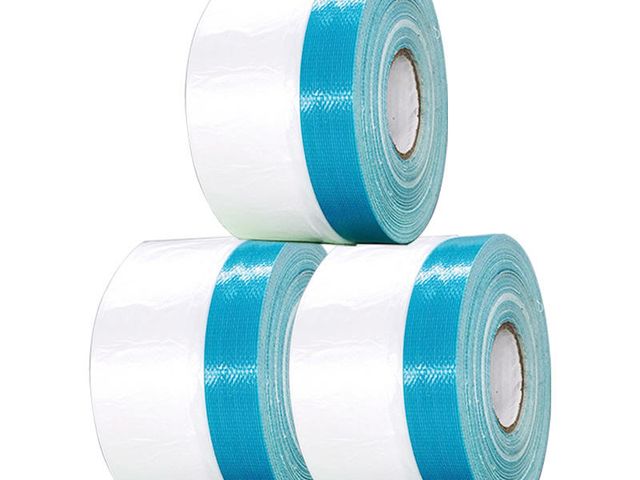
Sandblasting & Media Blasting Tape
Rubber-Backed Cloth Blasting Tape for Aerospace & general metal fabrication lines - send your drawing for a matched quote.
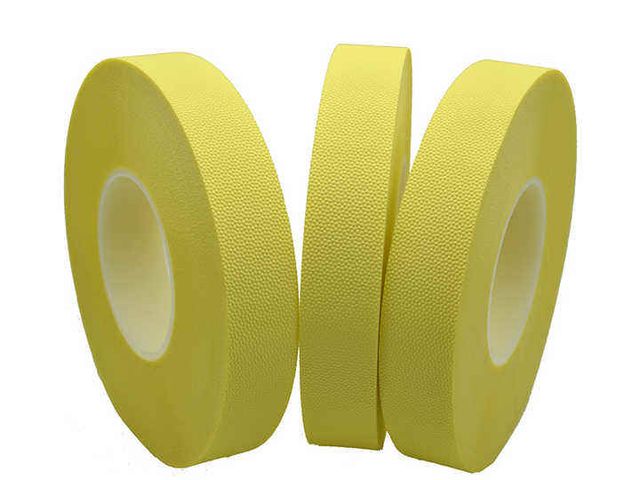
Sandblasting & Media Blasting Tape
High-Temperature Rubber-Backed Cloth Blasting Tape for Aerospace & general metal fabrication lines - send your drawing for a matched quote.
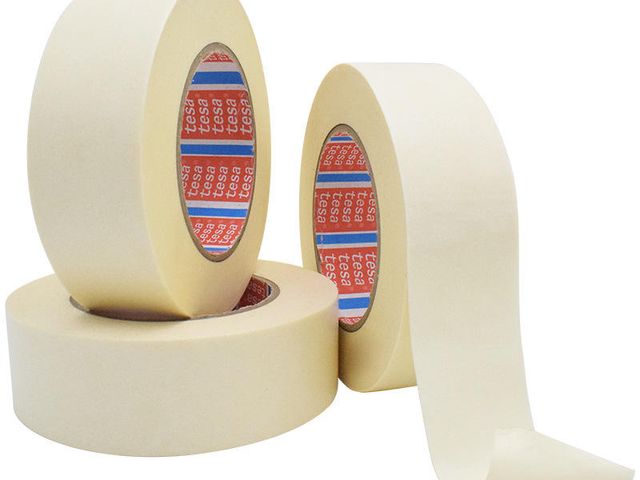
Sandblasting & Media Blasting Tape
High-Temperature White Rubber-Backed Cloth Blasting Tape for Aerospace & general metal fabrication lines - send your drawing for a matched…
Send drawings, dimensions, material, environment or operating conditions, and we will help confirm the right specification.
Uploaded reference files are included with the inquiry. For larger CAD packages, reply to the confirmation email or send them here:
Our team typically replies within 24 business hours.