What Is Masking for Anodizing and E-Coating?
Masking for anodizing and e-coating is the selective protection of part features — threads, bores, sealing surfaces, electrical contact points, and rack lines — before a component enters a wet electrochemical or electrodeposition line. Anodizing masking must survive immersion in acid baths: Type II sulfuric acid anodize runs at approximately 200 g/L H₂SO₄ at 15–22°C, Type III hard anodize at 0–5°C, and chromic acid anodize in the 40–50°C range. E-coating masking must survive wet-film electrodeposition followed by a 175–200°C cure for 20–30 minutes. A maskant that fails in these lines does more than cause a cosmetic reject — it can contaminate the shared bath chemistry, plate threads shut, or force a costly strip-and-rework cycle.
The stakes are different from powder coating, and the material selection is different too. This guide covers the methods, the maskant requirements, a material-by-material comparison, step-by-step workflows for both processes, and the mistakes that ruin otherwise good parts.
Why Anodizing and E-Coating Masking Differs from Powder Coating
If you are coming from a powder coating operation, it is tempting to reuse the same tapes and plugs. That is usually a mistake. Three factors separate wet chemical lines from powder coating:
Wet chemical bath exposure. Powder coating applies a dry powder that never dissolves the maskant. Anodizing and e-coating submerge the part — mask and all — into liquid baths. The mask must be chemically inert in that specific electrolyte, not just heat-stable. A tape that shrugs off 200°C but degrades in sulfuric acid will bleed, lift, or leave adhesive residue in the tank.
Bath contamination risk. This is unique to wet lines. In powder coating, a failing mask damages the part. In anodizing and e-coating, a failing mask can also poison the shared bath chemistry — silicone oils cause cratering in an e-coat tank, adhesive breakdown products shift anodize bath titration, and dissolved organics reduce coating adhesion across the whole rack.
Conductive racking and no peel-off during cure. E-coating deposits paint onto electrically conductive surfaces only, so the mask must cover the areas you want bare and stay put through a curing oven — the cure happens after the part is already coated, so a mask that lifts mid-cure exposes a line that was supposed to stay covered. In anodizing, the rack contact itself must stay bare and conductive, which changes how you mask rack lines.
Because of these differences, anodizing masking and e-coating line masking each have their own material requirements, covered next.
Masking for Anodizing: Methods and Requirements
Type II Sulfuric Acid Anodize
Type II (conventional sulfuric) anodize produces the common decorative and corrosion-protective anodic layer. Baths typically hold 150–200 g/L sulfuric acid at 15–22°C with current densities around 1.0–1.8 A/dm². Full immersion time runs 20–60 minutes depending on target film thickness.
Because the bath is warm and acidic but not hot, maskant temperature rating matters less than chemical resistance and sealing. Threads and bores are the usual masking targets, along with any surface that must remain electrically conductive after processing.
Type III Hard Anodize
Hard anodize (hardcoat) runs at much lower temperatures — typically 0–5°C — and higher current densities, around 2.0–4.5 A/dm², producing denser, thicker films (25–75+ µm). The cold bath is more aggressive on maskants in practice because immersion times are longer and the higher current density concentrates at any exposed edge.
Hard anodize is where masking quality is most visible. Any pinhole, lifting edge, or under-seated plug produces a bright "burn" mark, a white frost, or an uneven line at the mask boundary. Edge definition — a crisp, consistent transition between anodized and unanodized surface — is the quality metric buyers check first.
Chromic Acid Anodize
Chromic acid anodize (typically 3–5% chromic acid at 40–50°C) is used where thin, non-porous films are needed, often in aerospace and where entrapped process solution is a risk. Maskants need resistance to the chromic bath specifically; silicone plugs and HDPE perform well, and liquid peelable maskants are common on complex geometries.
Maskant Requirements Across All Anodize Methods
- Acid resistance: The mask must not dissolve, swell, or bleed into the electrolyte for the full immersion time.
- No bath contamination: Nothing may leach into the tank — adhesives, plasticizers, or sealants that bleed will compromise the chemistry for the entire load.
- Full submersion compatibility: Masked parts go fully underwater. Any air pocket trapped in a cap, plug, or blind bore must be ventable, or the part will not mask where you need it.
- Tight edge definition at rack lines: The transition line between masked and anodized surface must be sharp. A sloppy tape job that wicks acid produces a feathered, uneven edge.
- Clean removability: After anodizing, the mask must come off without scratching the film or leaving residue. Our peelable maskants for anodizing guide covers removal in depth.
For the full picture of how masking materials behave across anodize lines, see our anodizing applications page.
E-Coating Masking: Heat, Electrodeposition, and Venting
Cathodic e-coat (CED) dominates automotive and industrial finishing. The part is immersed in a waterborne paint bath, DC current drives paint onto the part surface, and the wet film is then cured in an oven.
Cure temperature. Typical e-coat systems cure at 175–200°C for 20–30 minutes. This is the hard number for material selection — any maskant in an e-coat line must hold at that temperature for that duration, plus the oven ramp.
Electrodeposition is coverage-selective. Because the paint follows the electric field, it wraps into recesses but only deposits on conductive surfaces. A small gap in masking is not a small problem: paint builds along the exposed edge and creeps under a lifted mask, producing a jagged coating line.
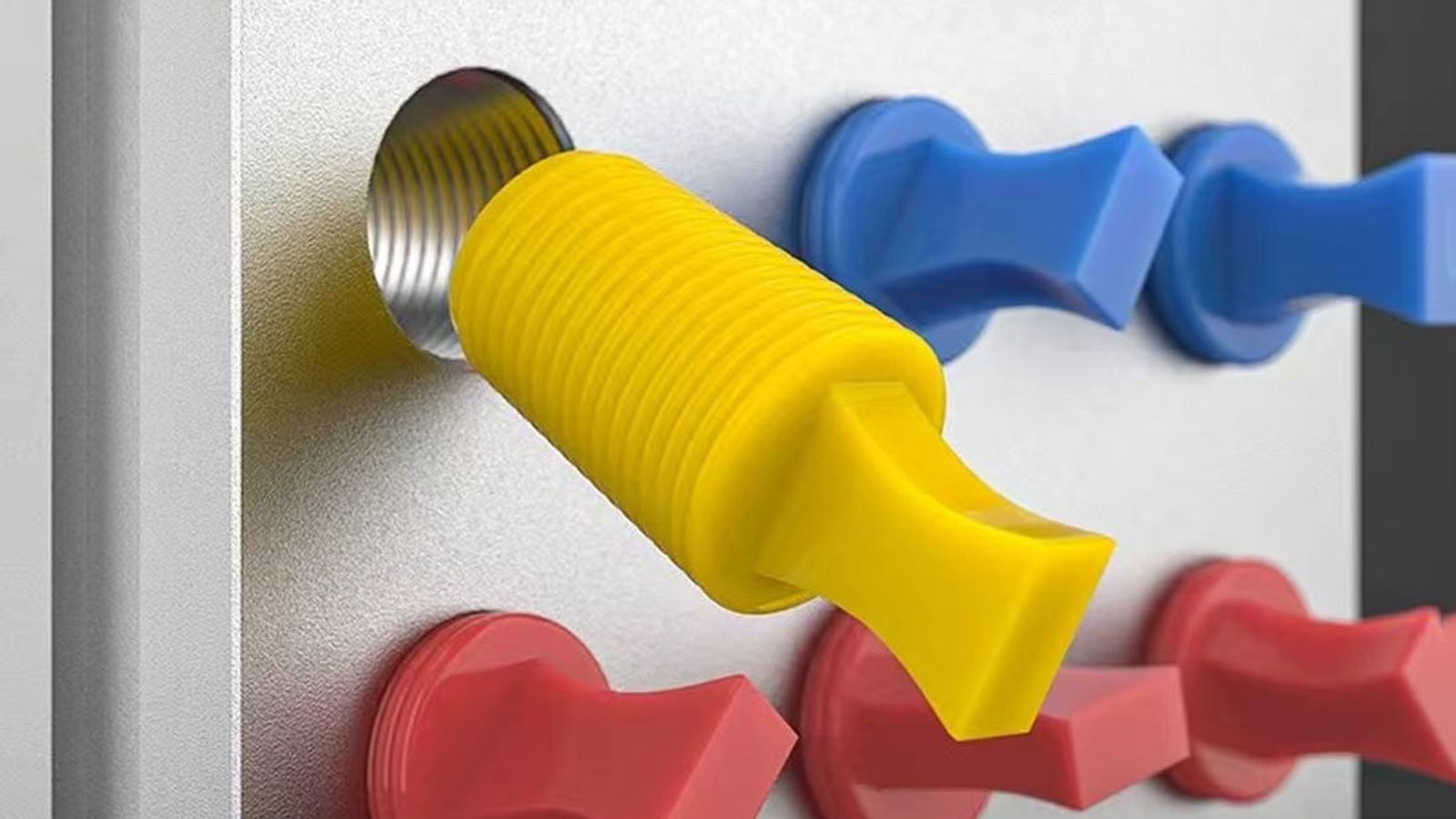
Venting and drainage rules. E-coat lines have strict venting and drainage requirements. Blind holes and cups must be angled or drained, or trapped paint solution pools and cures into a thick, discolored deposit. Vent plugs with a designed air path allow bath solution in and out while keeping paint off the protected feature. For threaded holes and ports, silicone vent plugs are the standard solution.
The silicone caveat. Silicone is the best high-temperature maskant material, but trace silicone oils are the classic source of cratering defects in e-coat tanks. Hand cream, release agents, or improperly processed silicone migrate to the bath surface and create fish-eyes in the cured film. Fully cured, residue-free silicone plugs are safe; cheap or poorly processed silicone is a plant-wide risk. Never machine, cut, or sand silicone plugs inside the e-coat shop.
For a line-by-line breakdown of how masks behave through deposition and oven, see our e-coating applications page.
Masking Material Comparison Table
Reading the table
- Silicone is the workhorse where heat is the binding constraint. High-temperature silicone masking plugs rate to 260°C continuous, sit through anodize acid baths, and can be reused many cycles — which makes them the lowest cost-per-part option for threaded holes despite the higher upfront price.
- HDPE is the anodizing specialist. High-temperature HDPE masking film resists sulfuric, chromic, and plating bath chemistries and is rated around 90°C — more than enough for a 15–22°C Type II bath and well matched to hard anodize's 0–5°C.
- PET tape is the economical choice for flat, non-critical masking at moderate cure temperatures. It is a consumable — not reusable — and adhesive bleed is possible if you push it past its rating.
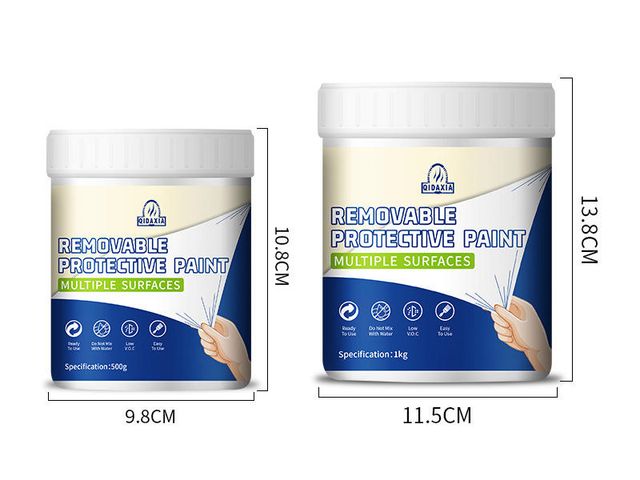
- Liquid peelable maskant is the problem-solver for geometry. When no plug fits and no tape conforms — internal threads, complex castings, sharp corners — liquid peelable maskants are brushed, sprayed, or dipped on, cure into a rubbery film, and peel off after processing. Formulations span 150–260°C so you can match the maskant to the line.
- Polyimide tape is the precision option: 260°C continuous rating and excellent chemical resistance, used where a thin, sharp-edged mask is required and a tape is preferable to a plug.
Step-by-Step Anodizing Masking Workflow
This sequence produces clean, repeatable results on a Type II or Type III line.
- Clean and dry the part first. Any oil, coolant, or fingerprint left under a mask bleeds during anodizing. Degrease, etch (if your line calls for it), and fully dry before masking.
- Identify every feature to protect. Threads, precision bores, sealing faces, mating surfaces, and the rack contact points.
- Select the maskant by feature and bath. Use silicone plugs for threads and ports, HDPE for bath-immersed flat surfaces, and liquid peelable maskant for anything with an irregular profile.
- Apply with clean gloves and tools. Seat plugs fully with a seating tool if provided; a plug that is not fully seated will creep during the bath.
- Seal the rack lines. Mask so the contact area stays conductive and unanodized. Liquid peelable maskant earns its keep here — it can be brushed precisely along the rack line where tape will not conform.
- Vent blind features. Any capped hole must be vented, or trapped air will prevent the acid from reaching — or masking — the intended area.
- Pre-inspect the masked part. Pull a sample and check every edge under light. A lifting corner now is a reject after 40 minutes in the tank.
- Run the anodize cycle, then rinse thoroughly. Follow your line's rinse protocol before unmasking — residual acid trapped under a mask keeps etching the bare surface.
- Remove masks and inspect the edge line. Peel or unseat the masks, verify the masked/unmasked transition is crisp, and check that no residue remains. Reusable silicone plugs should be cleaned and re-inspected before the next cycle.
Step-by-Step E-Coat Masking Workflow
E-coat lines add the constraints of conductive deposition and oven cure.
- Prepare the part. Degrease and dry. E-coat is extremely sensitive to contamination — the bath is waterborne, and any oil film causes bare spots.
- Mask every surface that must stay paint-free. Threads, grounding points, mating surfaces, and any area specified on the print. If a feature is masked, verify with the drawing that you are not masking a required ground path.
- Choose materials rated for the cure. Confirm the oven profile — 175–200°C for 20–30 min is typical — and select masks rated above the maximum oven temperature. Silicone plugs rated to 260°C have margin for any oven ramp; use polyimide or PET tape for flat faces and peelable maskant for complex contours.
- Vent and drain everything. Angle parts so cup-shaped features drain, use vent plugs for blind holes, and check that no mask forms a sealed pocket that traps bath solution.
- Verify conductivity paths. The part must contact the rack through a clean, unmasked point. A masked ground point means no deposition at all.
- Run the bath, then the oven. After deposition the part goes straight into the cure oven. Masks must hold position through the entire ramp and soak — this is the moment a cheap tape or under-rated plug fails.
- Strip masks after cool-down. Unseat plugs once parts are cool enough to handle. Silicone plugs that have been through hundreds of oven cycles should be checked for hardening before reuse.
- Inspect the coated edge. The transition between coated and masked areas must be clean. Feathering or a creep line means the mask lifted during deposition — review fit, seating, and material rating.
Reuse and Cost-per-Cycle
The upfront price of a maskant is not the cost that matters; cost-per-cycle is.
- Silicone plugs and caps win on cost-per-cycle. A well-made silicone plug rated to 260°C can survive dozens of anodize or e-coat cycles when cleaned, inspected, and not over-torqued. The purchase price is higher than disposable caps; the per-cycle cost is a fraction.
- HDPE film and plugs have a shorter usable life. They are cheaper per piece, and in high-throughput anodize shops that is often the right trade — no cleaning step, no inspection cost, no risk of a worn plug failing mid-tank.
- Tapes and liquid peelable maskants are one-time consumables. They are removed and discarded after every cycle. Their value is geometric coverage and edge quality, not reuse. When comparing them against a re-usable plug on the same feature, run the numbers over 20 cycles before you choose.
For most shops the economical mix is re-usable silicone plugs for threaded features that repeat on every batch, and consumables for everything else. Sizing that mix correctly is where masking cost per part drops the most.
Common Masking Mistakes That Ruin Anodized or E-Coated Parts
- Masking a dirty part. Oils and fingerprints under a mask bleed into the bath or leave a "ghost" of the contamination on the finished surface.
- Using powder-coating materials in a wet line. A tape rated only for dry powder handling will wick acid, lift in the bath, and leave adhesive residue in the tank.
- Ignoring venting. Unvented plugs and sealed blind holes trap air or bath solution, producing unmasked spots or trapped-acid corrosion after processing.
- Under-rating the cure temperature. E-coat cures at 175–200°C. A 150°C-rated PET tape may hold during deposition and fail in the oven, lifting and exposing a line that should have stayed covered.
- Buying unvetted silicone. Uncontrolled silicones cause cratering in e-coat baths and are a plant-wide contamination risk. Source plugs from a supplier who controls curing and oil residue.
- Forcing one material to do everything. The plug that is perfect for a thread is wrong for a flat face and worse for a cast contour. Matching material to feature — silicone for threads, HDPE for bath flats, peelable maskant for geometry — dramatically reduces rejects.
- Skipping pre-batch inspection. A lifting corner that takes 30 seconds to spot costs a full tank cycle to discover. Inspect a masked sample before the rack goes in.
FAQ
What temperature does e-coating cure at?
Most cathodic e-coat systems cure at 175–200°C for 20–30 minutes, including the oven ramp. Maskants used in an e-coat line must be rated above the maximum oven temperature, which is why silicone plugs (260°C) and polyimide tape (260°C) are the standard choices for e-coating masking.
Can silicone plugs be reused in anodizing tanks?
Yes. High-quality silicone plugs rated to 260°C are resistant to sulfuric, chromic, and other anodize bath chemistries and can be reused for many cycles when cleaned and inspected after each run. Count the cycles and replace plugs that harden, crack, or lose seating grip.
Does masking contaminate an anodizing bath?
It can, if the maskant is wrong. Tapes with weak adhesives, low-grade polymers, or plasticizers can leach into the electrolyte and shift bath chemistry for the entire load. Acid-resistant, fully cured materials — silicone, HDPE, and cured peelable maskants — do not contaminate the bath when applied and removed properly.
What is the best masking for hard anodizing?
For hard anodize (Type III, 0–5°C), the best combination is silicone plugs for threads and ports, liquid peelable maskant for rack lines and complex geometry, and HDPE film for large bath-exposed flat surfaces. The cold bath demands tight edge definition, so the mask must seal completely with no pinholes.
How do you remove peelable maskant after anodizing?
Lift a corner with a fingernail or plastic spatula and peel it off in one piece. Cured liquid peelable maskant is designed to tear off cleanly without residue or surface scratching. Peel away from the edge line, and do not use metal scrapers that can scratch the anodized film.
Get a Custom Masking Kit for Your Line
Every anodizing and e-coating line has a different part mix, bath chemistry, and oven profile. A custom masking kit — sized to your part list, with the right silicone plugs, HDPE film, tapes, and peelable maskants — eliminates the trial-and-error that drives up cost-per-cycle. Send us your drawings and line parameters, and we will recommend a kit with the correct materials, sizes, and reuse plan. Request a quote today and take the guesswork out of anodizing masking and e-coating line masking.