Technical
Masking for E-Coating Lines: Venting, Drainage, and Wet-Film Rules
Learn e-coating masking rules: venting, drainage, and wet-film behavior. Silicone plugs, PET tapes, and cure-safe materials. Get free samples from LeaderMasking.
Learn e-coating masking rules: venting, drainage, and wet-film behavior. Silicone plugs, PET tapes, and cure-safe materials. Get free samples from LeaderMasking.
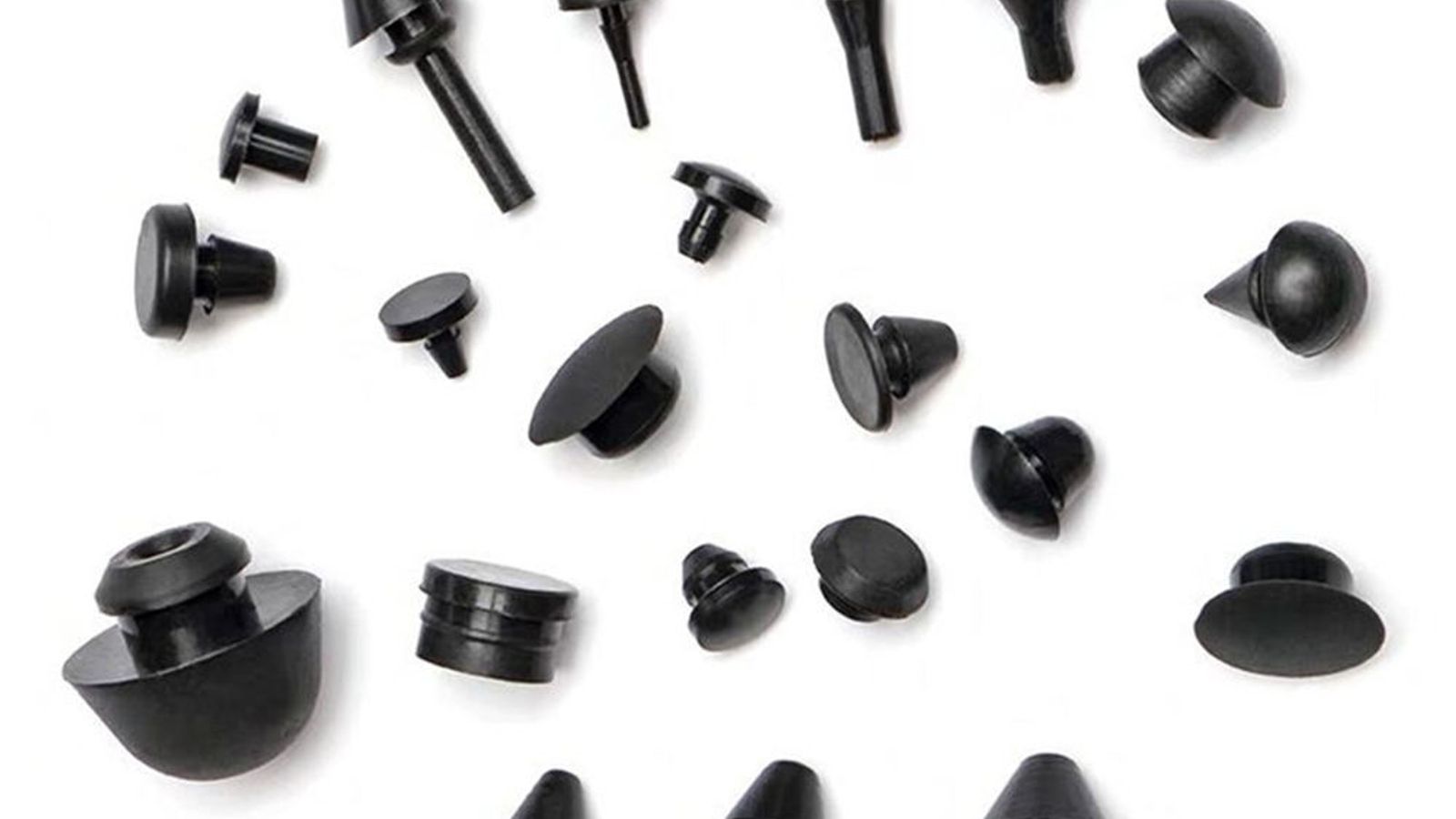
Electrocoating (e-coating / EPD / electrophoretic painting) is an immersion finishing process that deposits a uniform paint film onto conductive metal parts using an electric current, rather than spray or line-of-sight application. The parts are dipped into a water-based bath — typically held at 28–35 °C — containing charged resin and pigment particles, and a DC current (commonly 100–400 V) drives those particles onto the workpiece in a layer that wraps around every conductive surface: edges, recesses, tube interiors, and the walls of blind holes. The deposited wet film leaves the bath at roughly 90% solids for cathodic systems, so it does not sag or run while draining, and it is then crosslinked in a cure oven at 160–200 °C for 20–30 minutes. That combination — conductive immersion, a high-solids wet film, and a hot cure — creates one failure mode that dominates every e-coating masking decision: any sealed cavity or trapped air pocket expands during the bake and vents through the still-soft film, producing outgassing blisters, pinholes, and craters. Managing those trapped-air paths is why venting e-coat parts is the single most important masking rule on an electrocoating line.
If your team has a powder coating background, the first shock is how little of that experience transfers to e-coating. Powder coating is a dry, line-of-sight process: charged powder particles follow electrostatic field lines and adhere to exposed surfaces, but recesses, interiors, and the back sides of features rely on "Faraday cage" shadowing actually working in your favor — powder does not easily penetrate deep cavities, so interior surfaces often mask themselves. An electrocoat bath is different. The part is fully immersed, and the electric field drives wet paint into blind holes, box sections, and lap joints. What you protect on a powder line is mostly "what you can see"; what you protect on an e-coat line is the entire wetted area, including interiors you cannot see.
Three physical differences drive the masking strategy:
The practical takeaway: e-coating masking is a wet-film engineering problem, not a surface-protection problem. You are not just blocking coating; you are managing where liquid film forms, where air escapes, and where liquid drains.
The most common e-coat defect on structural parts is not a coating failure — it is a physics failure. When a sealed cavity enters the bath, it traps a pocket of air. During cure, the trapped air expands and the residual water and solvent flash to vapor, generating enough internal pressure to punch through the deposited film. The result is an outgassing blister, a pinhole, or a crater at the mouth of the cavity, and that defect is a guaranteed salt-spray and corrosion initiation site.
Vent plugs and vented caps exist to give that air a controlled escape path while still excluding the coating from the protected feature. Here are the venting rules that govern masking for e-coating lines:
The core rule is worth restating because it contradicts intuition: on an e-coating line, a sealed cavity is a defect waiting to happen. When you see an outgassing blister at a hole, the question is not "why did the film fail" but "why did we trap the air."
E-coating masking must survive three distinct attacks: a chemically aggressive bath (cathodic e-coat baths run mildly acidic, anodic systems mildly alkaline), a multi-stage pre-treatment and DI rinse, and a cure at 160–200 °C. A masking material that handles powder coating temperatures may still fail in the bath because the aggressive liquid wicks past a softened plug or under a tape edge.
| Masking method | What it protects | Temperature rating | Reuse | Best for |
|---|---|---|---|---|
| High-temp silicone vent plug | Threaded holes; through-holes needing air escape | 260 °C continuous | 20–50+ cycles with care | Venting e-coat parts; machined bores; fastener holes |
| Silicone masking plug | Blind holes; bores; and ID features | 230–260 °C | Reusable | Holes that can be sealed with a friction fit |
| Silicone masking cap | Studs; bosses; OD features; tube ends | 260 °C | Reusable | External features; high-temperature silicone masking caps |
| EPDM venting cap | Large openings and box sections needing a vent | ~150 °C continuous | Reusable | EPDM venting caps for big-cavity venting at moderate bakes |
| Green PET masking tape | Masked surfaces; edges; and thread protection | 150–180 °C | Single-use | Green PET high-temperature masking tape for flat surfaces and clean edges |
| PET masking tape | General surface protection; cut-to-shape coverage | 150–180 °C | Single-use | High-temperature PET masking tape and hand-layup masking |
The material selection logic is simple. For vented holes, choose a plug with a molded bleed port in silicone rated for the full bake. For sealed holes — those you can fully plug because the geometry guarantees no trapped-air pocket — a friction-fit high-temperature silicone masking plug is the workhorse, and it is reusable. For large cavities and box sections, EPDM venting caps give you a lower-cost vent that survives typical e-coat bakes. For flat surfaces, flanges, and machined faces, PET tape in green (military-spec style) or standard form provides clean-edged, residue-controlled coverage up to 180 °C.
Reuse deserves a note on economics. Silicone plugs cost more per piece than tape, but they survive dozens of cycles, and the cost-per-cycle math changes the decision at volume. If you run high-mix production, the reusable silicone cost-per-cycle analysis is worth reading before you standardize on single-use materials.
E-coating lines come in two broad configurations, and the masking plan differs meaningfully between them.
Rack lines carry parts through the pre-treatment stages, into the bath, through the post-rinse, and into the cure oven on a continuous overhead conveyor. The advantages for masking are consistent part orientation, repeatable drainage, and predictable bath exposure. The masking system is a fixture in its own right: plugs and caps are fitted at the load station, often while the rack is moving, and they must survive the full cycle without shifting. Because orientation is fixed, you can engineer drainage and venting into the rack design — hang every blind hole downward, position vent plugs on the bath-entry face, and let the conveyor geometry do the work. Reusable silicone becomes attractive here because the same rack configuration repeats every cycle.
Batch (hoist or program-hoist) lines move parts through tanks in a programmed sequence, often with agitation, and parts may hang at varying orientations between tanks. The masking challenges are harder: parts can rock or swing, orientation is less repeatable, and a liquid pocket that drains at one tank may not drain at the next. On a batch line, over-spec the venting. Where a rack line can rely on a consistent hang angle, a batch line should assume the worst-case orientation and use vented plugs wherever a sealed plug would create a cavity. Batch lines also tend to have longer immersion times, which puts more stress on tape edges and plug fit.
In both cases, the same principle applies: mask for the wet film, then verify drainage and venting as if the process will always be slightly worse than you designed it to be.
A repeatable masking procedure is the difference between a line that runs clean and one that is reworked weekly. Here is a checklist that transfers across most electrocoating masking jobs:
The defects below account for the overwhelming majority of e-coat rework on mixed-part lines, and each one traces back to a masking decision.
Outgassing blisters. The classic trapped-air failure: a sealed cavity expands during the 160–200 °C bake and punches through the film, leaving a crater or blister at the cavity mouth. The fix is venting — a vent plug with a bleed port replaces the sealed plug, giving the air a controlled exit while the feature stays coated-free.
Tear-out. When a plug is removed after cure, silicone that has fused or bonded to the thread can tear the cured film at the hole edge, exposing bare metal and creating a corrosion path. Tear-out is a geometry and material problem: use plugs sized for the actual hole diameter rather than "close enough," verify the taper seats without over-compression, and apply a thin film of release where the spec allows. Clean, consistent black silicone masking plugs with the correct interference fit minimize tear-out better than oversized plugs forced in with a hammer.
Solvent pop. Trapped liquid — bath solution or rinse water — behind a cap boils during cure and erupts through the film as small craters, often in clusters at the low point of a feature. The fix is drainage: orient the part so the pocket drains, or use a vented cap that lets liquid escape during the drip zone before the oven.
Red rust on threads. The most expensive defect because it appears late. If a plug seats incompletely, the thread crests wick in bath liquid while the plug protects the root, leaving a partial film that fails salt spray and flashes red rust within days or weeks of service. The fix is full seating plus a correctly sized thread-protection plug, and it is why inspection at the load station — not after cure — is the right control point.
Film voids at tape edges. Lifted tape allows the bath liquid to migrate under the edge, depositing a feathered film that cures brittle and chips out in handling. Use PET tape with a controlled-release adhesive and a positive burnish at the edge; the high-temperature masking tape guide covers edge-sealing technique in more depth.
Every one of these defects is preventable at the masking step, and that is the reason the masking plan belongs on the same work instruction as the coating spec — it is part of the process, not an afterthought.
Do e-coat parts need vent plugs? Yes, for any hole or cavity larger than about 3 mm. A sealed cavity traps air that expands during the 160–200 °C bake and punches outgassing blisters through the film. Vent plugs give the air a controlled escape path while keeping the coating out of the feature.
What temperature can silicone vent plugs withstand? High-temperature silicone vent plugs are rated to 260 °C continuous service, which covers standard e-coat cure cycles of 160–200 °C with margin. They are reusable across dozens of cycles and survive both the bath chemistry and the bake.
Can you reuse e-coating masking? Yes. Silicone plugs and caps are designed for reuse and typically last 20–50+ cycles when handled properly, which is why the cost-per-cycle can beat single-use tape at volume. PET tape is single-use; it is removed and discarded after each cure.
Does e-coating wrap around edges like powder coating? More aggressively, in fact. Because the part is fully immersed in a conductive liquid, e-coat deposits on every wetted conductive surface — including edges, interiors, and blind-hole walls — not just the surfaces in line of sight. That wrap-around is why interior features that never saw powder must be masked or vented on an e-coat line.
What happens if a blind hole is not vented? Two failure modes, depending on orientation. If the hole traps air, it outgasses during cure and leaves a blister or crater. If it traps bath liquid, the liquid boils under the film and produces solvent-pop craters. Both are corrosion-initiation sites and both are prevented by draining the hole and venting it.
Every electrocoating line has its own geometry, its own cure cycle, and its own defect history — there is no universal masking kit that fits them all. That is why LeaderMasking (leadermasking-global.com) supplies vent plugs, silicone plugs and caps, PET tapes, and custom-cut masking solutions engineered for wet-bath processes, with full OEM and ODM capability for parts that need a purpose-built masking solution rather than an off-the-shelf fit. Contact our team with your part drawings and your cure parameters, and we will recommend the venting and drainage setup for your line — including free samples so you can verify fit, release, and reuse on your own racks before you commit to a full kit.
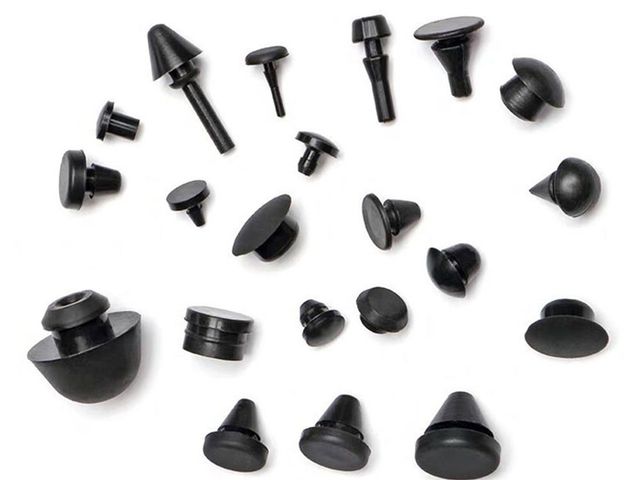
Vent Plugs & Venting Caps
Vent Plug for Powder coating lines - send your drawing for a matched quote.
Vent Plugs & Venting Caps
Reusable vent plug preventing pressure buildup in sealed cavities.
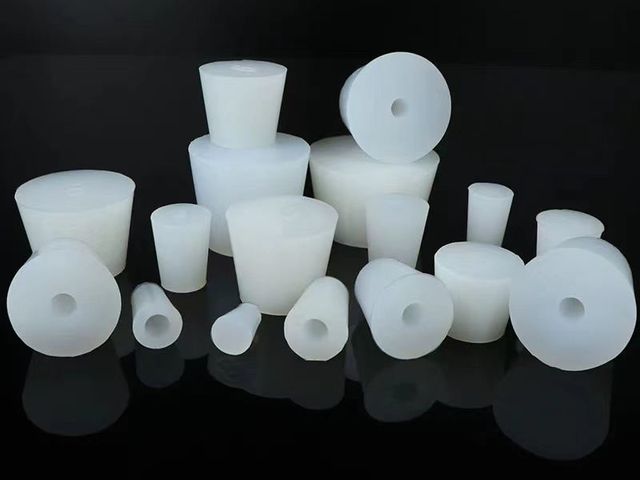
Vent Plugs & Venting Caps
High-Temperature Red Vent Plug for Powder coating lines - send your drawing for a matched quote.
Send drawings, dimensions, material, environment or operating conditions, and we will help confirm the right specification.
Uploaded reference files are included with the inquiry. For larger CAD packages, reply to the confirmation email or send them here:
Our team typically replies within 24 business hours.