Selection Guide
Liquid Maskant vs Tape vs Plugs: Cost and Labor Comparison
Liquid maskant vs tape vs plugs for powder coating and anodizing: cost per part, labor time, and temperature limits compared. Request a free sample kit.
Liquid maskant vs tape vs plugs for powder coating and anodizing: cost per part, labor time, and temperature limits compared. Request a free sample kit.
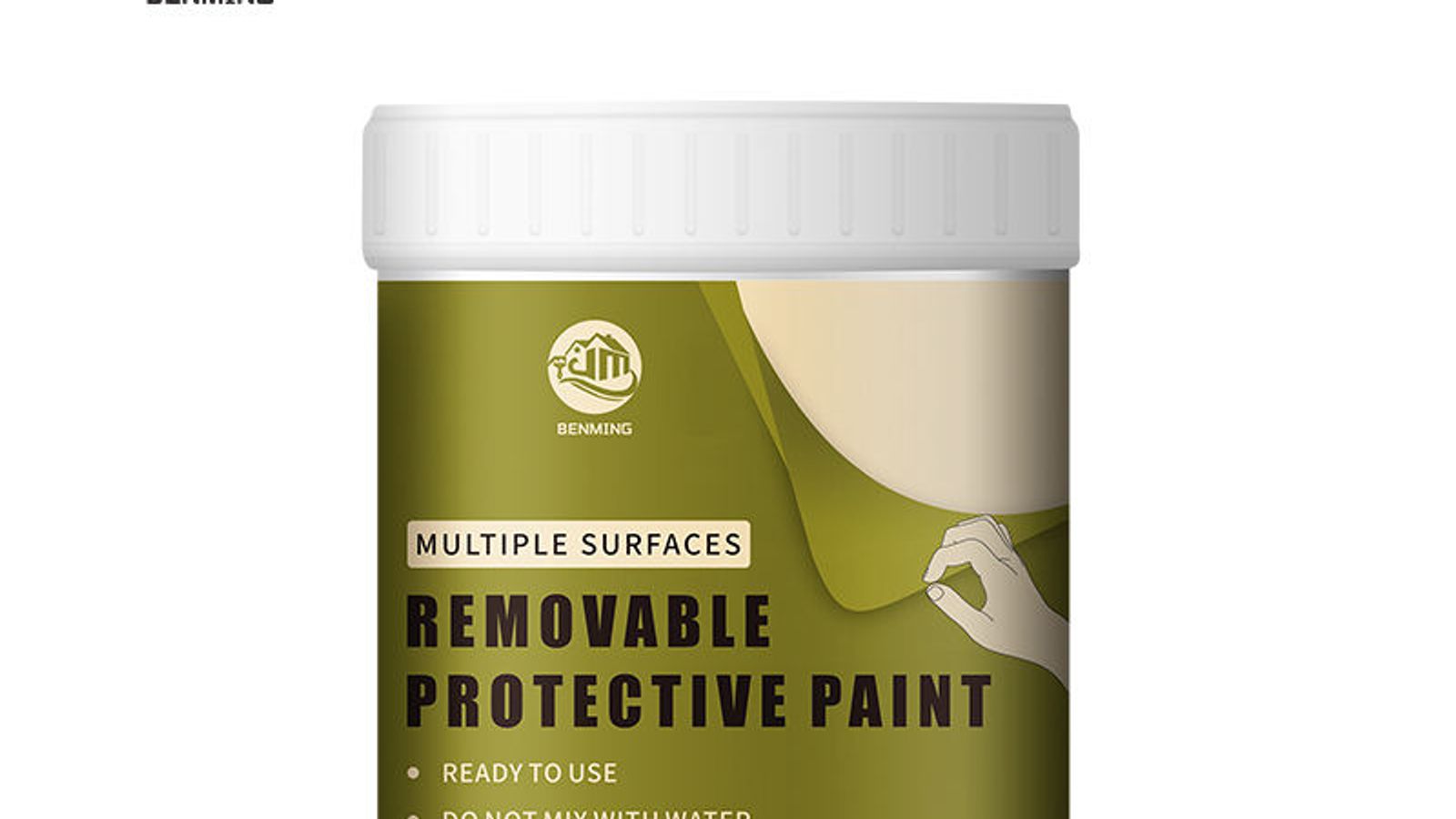
A liquid peelable maskant is a strippable coating applied as a liquid — by brush, dip tank, or spray — that dries into a rubbery film, protects a surface through finishing, and is peeled off afterward leaving no residue. For powder coating and anodizing, production-grade liquid maskants are typically rated from 150°C to 260°C depending on formulation, which comfortably covers a standard powder coat cure of 180-200°C for 15-30 minutes. Silicone plugs and caps handle 260°C continuous service and up to 315°C short-term. High-temperature PET tape is rated 150-180°C, while polyimide tape reaches 260°C continuous and 400°C peak. Anodizing baths themselves run cool — usually 18-21°C — but the sealing step hits 96-100°C, and some hot-process lines exceed that. A typical brush-on maskant dries to a 1-2 mil (25-50 µm) film in 20-40 minutes at room temperature, covers roughly 1-3 m² per liter depending on the thickness applied, and its material cost usually lands between $0.10 and $0.30 per small part. That combination of thermal headroom, fast application, and residue-free removal is what makes liquid maskants the default answer to the question "what is a liquid maskant": a flexible, strippable barrier engineered to keep powder, acid, or plating off the surfaces it should not touch.
Every masking decision in a job shop comes down to the same trade: how fast can your team apply it, how much does it cost per part, and will it survive the process chemistry and heat? The three dominant methods — peelable liquid maskants, high-temperature masking tape, and silicone plugs and caps — each resolve that trade differently.
Liquid maskants are dispensed wet and cure to a continuous film that conforms to any geometry. They are the strongest choice for complex curved surfaces, machined pockets, and parts with many small or irregular features, because the film follows the part exactly and needs no cutting or pre-forming. They are single-use — the film is peeled and discarded — but the labor savings on complicated parts usually dwarfs the material cost. The main drawback is dry time: a brush-on coat needs 20-40 minutes before a part is safe to handle, which adds queue time on small urgent runs.
Tape is the classic, low-cost option for flat surfaces and simple straight edges. It delivers the sharpest paint or plating lines of any method, and rolls of PET or polyimide tape are cheap to stock. The catch is labor. Every edge must be cut, placed, and burnished down by hand, and tape is slow to apply accurately on curved or recessed geometry, where it wrinkles, lifts, or lets powder creep underneath. For a part with several cutouts, taping can easily take three to four times longer than brushing on a liquid maskant.
Plugs and caps are pre-formed silicone parts pushed or pulled over holes, threads, bores, and fittings. They are the fastest method for protecting a standard-size hole, and because silicone is inert and dimensionally stable, they survive repeated cycles — a well-maintained plug can be reused five to ten times. Their weakness is inventory and coverage. You need a stocked range of diameters, and they cannot protect large open areas or complex surfaces. For a part with many small holes, the per-hole labor and part count add up fast.
The table below compares the three methods across the criteria that matter most when quoting a job or standardizing a line.
| Criterion | Peelable Liquid Maskant | High-Temperature Tape | Silicone Plugs & Caps |
|---|---|---|---|
| Application speed | Fast on curves; cutouts; and large areas; ~1-1.5 min per small part brushed | Slow on complex shapes; 3-6 min per part common | Very fast per hole — seconds each; but one plug or cap per hole |
| Labor per 100 parts | 100-150 min (brush-on) | 300-600 min | 100-250 min depending on hole count |
| Cost per part | $0.10-$0.35 material; low labor | $0.10-$0.30 material; high labor | $0.05-$0.30 effective with reuse; higher up-front |
| Edge sharpness | Clean; well-defined lines with a slightly soft edge | Sharpest line of any method on flat surfaces | Clean circular line around a hole or thread |
| Temperature ceiling | 150-260°C by formulation | PET 150-180°C; polyimide 260°C / 400°C peak | 260°C continuous; 315°C short-term |
| Chemical resistance | Resists anodizing acids and plating baths | Good; but adhesive can wick at edges in hot chemistry | Excellent — inert; chemical-resistant silicone |
| Reusability | No — single use; peeled and discarded | No — single use | Yes — 3-10 cycles depending on duty |
| Automation compatibility | Excellent — dip tank or spray booth; robot-applicable | Poor — hand application dominates | Moderate — vibratory bowl feeders and pick-and-place exist |
Read that table as a flow chart, not a scoreboard. If a part is flat and simple, tape is cheap and precise. If it is a standard hole, a plug is fastest. If the geometry is complex, large, or full of small features, the liquid maskant wins on labor almost every time.
Let's make the trade concrete. Assume a shop rate of $35/hr, which works out to $0.583 per minute, and two different parts on a 500-piece run.
Part A — a simple flange with two threaded mounting holes. Tape requires about 3 minutes per part. Two reusable silicone plugs take 1 minute total. Brush-on liquid maskant takes about 2 minutes (1.5 apply, 0.5 peel).
Winner: silicone plugs — by more than 2× over tape.
Part B — a complex bracket with curved edges, two recessed pockets, and 12 small holes. Tape needs to be cut and laid around every contour: 6 minutes per part. Plugs work, but you are placing 12 of them per part and they fight each other in tight spacing: 4 minutes per part. Liquid maskant is brushed on and peeled as one film: 1.5 minutes per part.
Winner: liquid maskant — under a third of the tape cost, and less than half the plug cost.
The crossover is not subtle. On the complex bracket, the liquid maskant saves roughly $1,340 against tape and $785 against plugs over the full run — enough to pay for a lot of setup experimentation. The lesson holds across job shops: labor time, not material price, is the dominant cost driver in masking, and the method that removes the most labor wins on cost-per-part.
Liquid maskants earn their keep in three situations:
Liquid maskants also suit mixed production. One drum serves every part in the shop, so you are not stocking dozens of tape widths or plug sizes. If your mix changes weekly, that flexibility is worth real money.
Liquid maskant is not a universal answer. Skip it when:
Silicone plugs and caps are the clear choice for protecting holes, threads, and bores, and they hold up at the top of the temperature range: high-temperature silicone masking plugs and high-temperature silicone masking caps are rated for 260°C continuous and up to 315°C short-term, with full chemical resistance in anodizing and plating baths. Reusability makes them cheaper per cycle than their price tag suggests.
Tape wins wherever a sharp, straight paint line is the spec — a flat edge, a machined land, a masked logo area. High-temperature PET masking tape handles 150-180°C, enough for most powder cure cycles, and polyimide tape extends to 260°C continuous and 400°C peak for extreme bakes.
Both methods fail on the same jobs, for opposite reasons:
Powder coating puts three demands on a maskant: the electrostatic spray application, the oven cure, and the pre-treatment line. The cure is the gating constraint for most shops. Standard polyester and epoxy powders cure at 180-200°C for 15-30 minutes, and the mask must survive that full cycle without embrittling, softening, or flowing into the powder line. Any liquid maskant rated 180°C or higher holds up; our standard formulations are rated to 200°C and up, giving comfortable margin for the full powder coating process.
Two powder-specific traps are worth planning for. First, the electrostatic charging that attracts powder to the part also attracts it to the mask — make sure the maskant film is fully cured and pinhole-free before the part enters the booth, or powder will find the defect. Second, thin masking edges act as stress concentrators when the film shrinks slightly during cure; a 1-2 mil film applied evenly, with no runs or skips, peels far more reliably than a patchy thick one.
Anodizing is a chemistry problem as much as a heat problem. The part spends 30-60 minutes in a sulfuric or chromic acid bath at 18-21°C, where the maskant must resist strong oxidizers and stay adhered — an acid that wicks under the film ruins the masking line and etches the protected surface. Liquid maskants formulated for anodizing pass this test; that is why they are a staple of architectural and decorative anodizing shops. For a deeper treatment of bath chemistry and film selection, our anodizing maskant guide walks through the full process.
The second constraint is the sealing step, which is hotter than the anodizing bath itself. Hot deionized water or nickel acetate sealing runs at 96-100°C, and some two-step and hard-coat processes run hotter still. A maskant that survives the acid bath but softens in the sealer will smear and peel unevenly. Verify the formulation's temperature ceiling against your sealing temperature, not just the bath temperature, before running a full anodizing line. Silicone plugs and caps, being fully inert and rated to 260°C, are the safest option for sealing-sensitive specs — at the cost of the labor and inventory trade-offs discussed above.
When masking moves from the bench to a line, the three methods diverge sharply. Liquid maskant is the most automation-friendly: a dip tank coats a rack of parts in one immersion with zero per-part labor, and spray-booth application slots into a conveyor line with robotic or reciprocating guns. Film thickness is controlled by dwell time and viscosity, giving consistent coverage run after run. Tape resists automation because every edge is a hand placement; masking robots exist but are cost-justified only at high volumes with one unchanging part. Plugs sit in between — vibratory bowl feeders and pick-and-place cells can seat a plug in under a second, but the system is dedicated to specific plug sizes and part geometries.
For a shop running mixed batches, the practical path is usually hybrid: liquid maskant for the complex bodies, plugs for the standard holes and threads, and tape only for the flat surfaces where a razor line is the spec. Standardizing that split across the floor simplifies training, inventory, and quoting — and the liquid maskant product range covers the geometry-heavy side of it.
Formulation-dependent. Standard production maskants are rated 150-260°C, and the top end covers most powder coating cures (180-200°C). If your line runs above 260°C or includes a high-temperature post-bake, verify the specific product's data sheet — silicone plugs and polyimide tape are the safer options at the extreme top of the range.
No. A properly cured film peels off cleanly in one piece, leaving no adhesive, silicone oil, or sticky residue behind. This is a core advantage over tape, whose adhesive can wick at edges in hot or chemical processes, and one reason maskants are favored for anodizing where surface cleanliness after stripping is critical.
A 1-2 mil brush-on coat dries to a handleable film in 20-40 minutes at room temperature. Thicker coats, applied for heavy-duty protection, take longer, and dry time shortens with airflow or moderate heat. Dip and spray application deposit thinner, more uniform films that dry on the same timescale.
Usually, on complex parts — but not always. The liquid maskant's material cost per part ($0.10-$0.35) is similar to a plug's effective cost when you spread a plug's price across its reuse cycles. The real difference is labor. On a part with curves, pockets, or many small holes, the liquid maskant removes the placement and retrieval time that plugs and tape demand, which is where the savings come from. On a simple flange with two holes, plugs are faster and cheaper.
No. The film is single-use — it is stripped and discarded after each cycle. That is by design: fresh film guarantees consistent edge quality and no contamination between runs. If reusability is a hard requirement, silicone plugs and caps are the reusable option, lasting 3-10 cycles depending on duty.
There is no universal winner, but there is a clear decision rule. Start from the part's geometry: complex, large, or feature-dense parts go to a liquid maskant; standard holes, threads, and bores go to silicone plugs and caps; flat surfaces that need a razor-sharp line go to tape. Then let the numbers decide. Run the cost-per-part math on your own labor rate, your own part mix, and your own process temperatures — in most shops, that exercise moves the center of gravity toward liquid maskant for anything that is not a simple hole or a flat edge.
If you are ready to test the economics on your own parts, browse our liquid peelable maskants alongside our silicone masking plug and cap ranges, then contact our team for a free sample kit. Run a maskant against your current tape or plugs on a real production batch — one 500-part run will show you which method your shop should standardize on, and what it saves you per part.
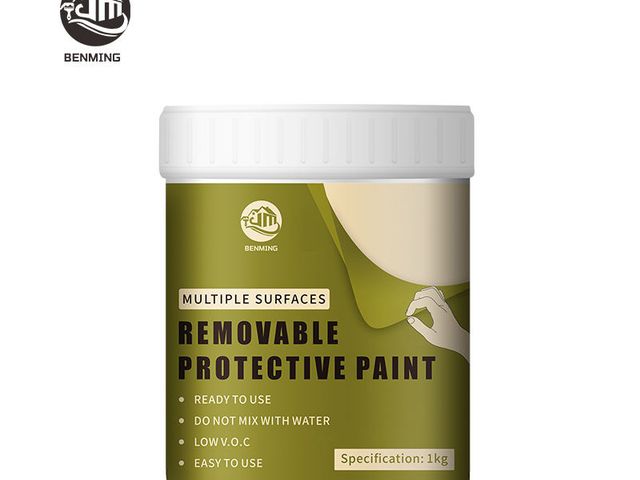
Liquid & Peelable Maskants
Peelable Maskant for Plating lines - send your drawing for a matched quote.
Liquid & Peelable Maskants
Brush-applied peelable coating for irregular shapes and touch-up masking.
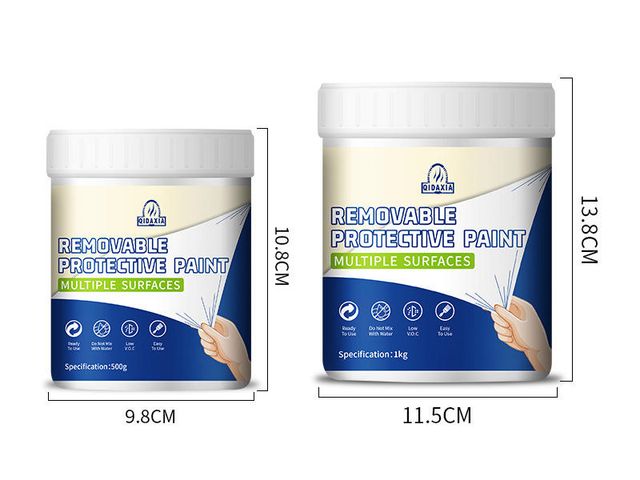
Liquid & Peelable Maskants
High-volume dip-applied maskant for consistent-geometry parts.
Send drawings, dimensions, material, environment or operating conditions, and we will help confirm the right specification.
Uploaded reference files are included with the inquiry. For larger CAD packages, reply to the confirmation email or send them here:
Our team typically replies within 24 business hours.