Technical
Aluminum Foil Tape for Thermal Spray: The 400°C+ Heat Shielding Guide
Learn how aluminum foil thermal spray tape shields parts at 400°C+ during HVOF and flame spray, and when to use it. Request a sample from LeaderMasking.
Learn how aluminum foil thermal spray tape shields parts at 400°C+ during HVOF and flame spray, and when to use it. Request a sample from LeaderMasking.
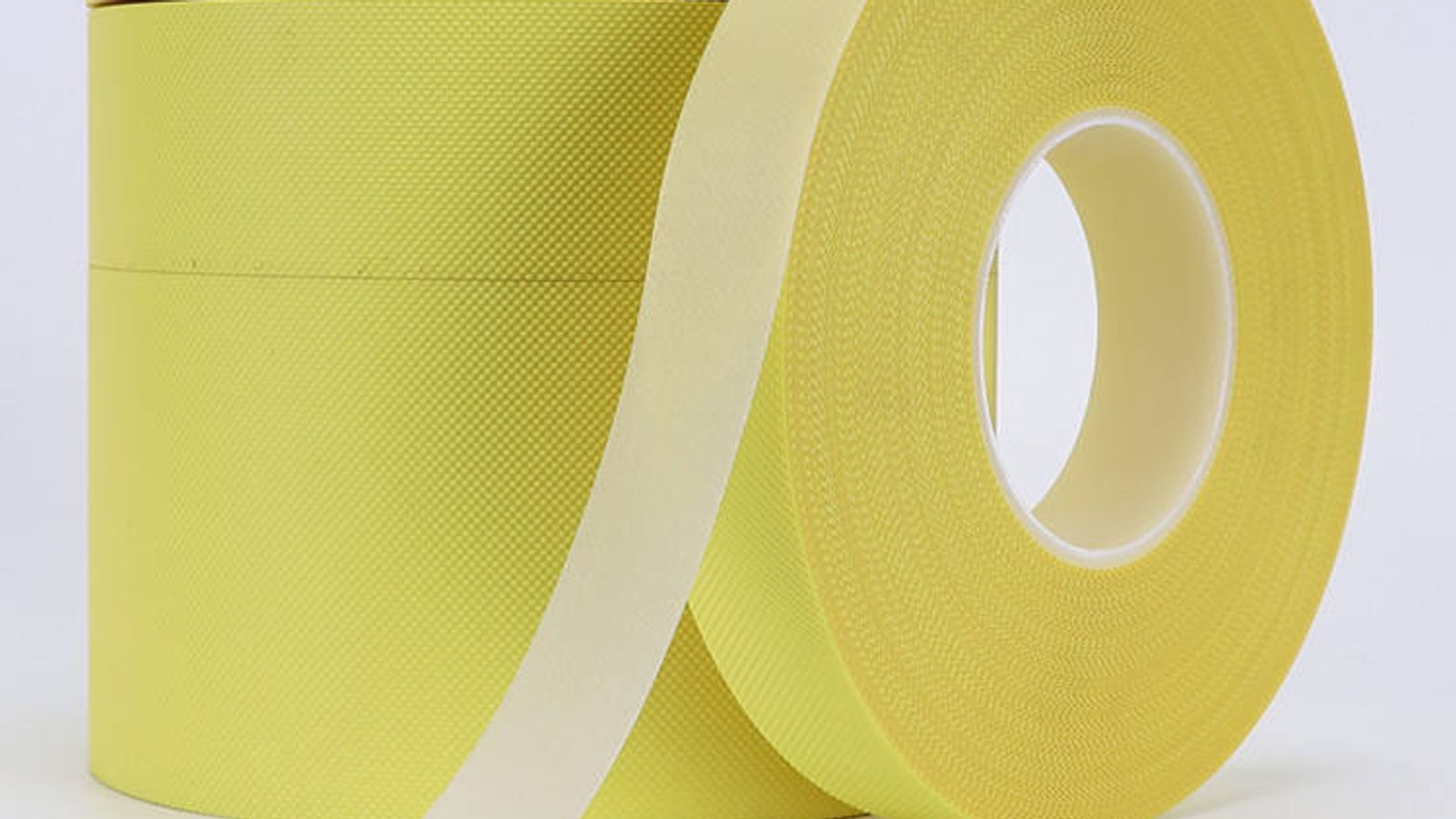
Aluminum foil thermal spray tape is a high-temperature masking tape made of an aluminum foil backing, typically 0.05–0.1 mm thick, coated with a pressure-sensitive silicone adhesive, used to protect surfaces from heat, particle erosion, and overspray during thermal spray, HVOF, flame spray, and plasma spray coating operations. It is rated for continuous service at 400°C and above and withstands intermittent exposure to 600°C and higher, including direct contact with spray flame and semi-molten particles. That temperature performance makes aluminum foil tape the highest-heat-rated shielding option among common thermal spray masking tapes, and the default choice when coating work runs hot enough to destroy organic-backed tapes.
The construction explains most of the difference. The backing is a soft-temper aluminum foil in the 0.05–0.1 mm range — thick enough to resist particle impact and hold a defined edge, thin enough to conform around corners and follow gentle curvature. The foil is coated with a silicone pressure-sensitive adhesive. Silicone is chosen because it holds adhesion at continuous temperatures around 250–300°C, far beyond what acrylic adhesives survive (typically 120–150°C), and because it releases cleanly after the job.
The critical property is reflectivity. Polished aluminum has an emissivity of roughly 0.04–0.09 across the infrared spectrum, meaning it absorbs only a small fraction of the radiant heat that reaches it and reflects the rest back toward the source. A spray gun delivers heat to a masked surface through three paths: direct flame or plasma impingement, radiant infrared energy, and hot particles. Of the three, radiant heat is the largest and most persistent load. A tape that reflects rather than absorbs radiant heat stays far cooler than the flame temperature suggests, which is why a foil-backed tape with a moderate adhesive can protect a part that sees 600°C+ flame exposure.
That is also the answer to the question every coating shop asks — why the foil does not simply melt. Aluminum melts at 660°C. The foil does not need to survive the flame core temperature because it reflects most of that heat away, and because the exposure at any single point is brief as the gun passes. At 400°C continuous and 600°C intermittent, the foil stays solid, keeps its adhesion, and holds its line. The aluminum foil thermal spray tape we supply is built exactly this way.
To use this tape correctly you need a realistic picture of the temperatures involved. The three dominant processes — HVOF, combustion flame spray, and plasma spray — differ a great deal in flame temperature, but far less in what the substrate actually experiences.
HVOF (High Velocity Oxygen Fuel) burns a fuel gas such as propane, hydrogen, or kerosene with oxygen at high pressure. Core flame temperatures run roughly 2,500–3,200°C, and powder particles are heated to around 1,500–2,000°C before striking the surface at supersonic speed. Even so, because the particles are small and the gun dwell is short, the substrate temperature typically stays in the 150–300°C range during coating. The masking tape never sits inside a 3,000°C gas stream; it sits in the path of radiant heat and high-velocity particles on a part that is only moderately warm. That is exactly the envelope aluminum foil tape is designed for.
Combustion flame spray, also called wire or powder flame spray, runs cooler at the gun and delivers the lowest part temperature of the three. Flame temperatures depend on the fuel gas: oxy-acetylene reaches roughly 3,100°C, oxy-propane about 2,500°C, and oxy-hydrogen in between. Substrate temperatures are typically held below 250°C.
Plasma spray uses an electric arc to ionize gas into a plasma jet whose core can exceed 10,000°C — the hottest of the three processes — yet the part temperature is carefully managed, usually below 250°C, because the plasma's heat is concentrated in the stream rather than radiated broadly into the part.
The practical rule: no matter how hot the gun is, the tape only has to survive the masked surface's temperature plus the radiant load, not the flame core itself. For a full treatment of process-specific masking, see our thermal spray masking guide.
Three tapes cover almost all thermal spray masking work. The choice comes down to temperature, conformability, and the shape you are masking.
| Tape | Temperature Rating | Conformability | Price Tier | Best Use |
|---|---|---|---|---|
| Aluminum foil tape | 400°C+ continuous; 600°C+ intermittent | Moderate; follows flat zones and gentle curves; less drape around tight radii | Mid | Large flat zones; stop-off lines; radiant heat shielding; high particle velocities |
| Fiberglass cloth tape | 260–300°C continuous; short spikes higher | Excellent; drapes over complex geometry and compound curves | Mid | Complex geometry; threads and recesses; areas needing a fabric that wraps |
| Crepe paper thermal spray tape | 120–150°C short term | Excellent; stretches and seals over rough surfaces | Low | Quick low-temp jobs; pitted or textured surfaces; cost-sensitive work |
Crepe paper is the budget option and disappears quickly when the job runs hot. Fiberglass cloth handles heat well and conforms, but it is a fabric: particles can embed in the weave, and the woven structure lets heat and overspray pass more readily than a solid foil barrier. Aluminum foil is the only one of the three that reflects radiant heat and presents a continuous, non-stick, particle-shedding surface. Our fiberglass cloth plasma masking tape and high-temperature crepe paper thermal spray tape are the direct alternatives when those properties matter more than heat reflection.
Application quality decides whether the coating line is clean or feathered. Foil behaves differently from paper or cloth tapes, so the rules are slightly different.
First, clean and dry the part. Degrease the masked area with solvent or isopropyl alcohol and let it flash dry. Foil tape will not seal well over oil, dust, or blast media, and a lifting edge lets overspray creep underneath. This matters more with foil than with paper because the rigid backing transmits any edge lift straight to the coating line.
Apply the tape with firm pressure. Run a roller or a squeegee over the tape after laying it to drive out trapped air and force the adhesive into full contact. Foil does not stretch much, so pressing it down matters more than pulling it tight — you want full wet-out, not tension.
For large flat zones, run full-width strips and overlap adjacent strips by 3–6 mm. The overlap is not just a leak seal; it also presents a slightly raised, continuous barrier that sheds particles. For stop-off lines, lay the tape so the edge is straight and trim it with a sharp blade. A clean, squared edge produces a crisp coating boundary; a ragged edge produces overspray bleed.
For complex geometry — bolt holes, recesses, threads, and compound curves — use a narrower width so the foil follows the contour without buckling. Where the foil will not lay flat around a radius, switch to a fiberglass cloth tape that drapes. If a critical edge still lifts, reinforce it with a second narrow strip of foil along the edge line. Finish by re-checking every edge immediately before the gun fires; heat and gun pressure will find the smallest lift.
The physics explains the material choice. The spray gun delivers three kinds of load — direct impingement, radiant heat, and particles — and foil answers all three.
Radiant heat is the dominant load, and polished aluminum reflects it. With an emissivity around 0.04–0.09, the foil absorbs only a few percent of incoming infrared and rejects the rest. Compare that with a black or organic tape, which can absorb most of the radiant energy and climb well beyond its rated temperature. This is why foil tape holds at 400°C continuous where a paper tape would char and a fiberglass cloth would start to soften its binder.
Particle impact is handled by the solid metal surface. Molten particles striking the foil flatten and cool on contact, and because the surface is smooth and non-wetting, they do not key into it. After the run, most overspray sits loosely on the foil or bounces off entirely, and what remains lifts away with the tape. A cloth weave, by contrast, traps particles in the weave — one more reason foil is preferred for HVOF and other high-velocity processes.
The silicone adhesive is the weakest link and is deliberately rated below the foil. Its continuous service range is about 250–300°C, comfortably above what the substrate and tape actually experience in a controlled run. The foil shields the adhesive from most radiant heat, and the tape is applied to areas adjacent to the coating target rather than inside the coating line, so the direct thermal load stays limited. That margin is why foil tape performs in practice far above its adhesive rating.
Clean removal is where foil tape earns its keep in a production shop. After the coating pass, let the part cool to a temperature you can handle, then peel the tape back on itself at a shallow angle, ideally while the tape is still warm. Warm peel lowers the adhesive's grip and gives a cleaner release.
The silicone adhesive leaves minimal residue on smooth surfaces. What remains wipes off with isopropyl alcohol or a mild solvent; on rough or blasted surfaces, a soft brush or a second wipe handles it. Because silicone adhesives do not oxidize into the hard, brittle char you see with acrylic or rubber-based tapes, you avoid the scraping that eats into production time.
Two caveats. If the adhesive is held above its rating for a sustained period — the sort of overload that happens when preheat is too aggressive or the gun holds position too long — the silicone can carbonize and become harder to remove. Peel slowly and clean up with solvent, and treat the over-temperature as a process signal. Second, do not leave foil tape on a part for days. Mask right before spraying. The longer silicone adhesive sits, the stronger it bonds, and short-term masking keeps removal easy and residue minimal.
Aluminum foil thermal spray tape is supplied in the widths and formats that fit coating-shop workflow. Common widths run from 25 mm up to 1,200 mm, with 50 mm, 100 mm, and 300 mm the most used; wider rolls cover large flat zones in a single pass. Roll lengths are typically 33 m, 50 m, or 100 m, depending on width and foil gauge. Foil thickness options sit in the 0.05–0.1 mm range: the heavier gauge resists particle impact better, and the lighter gauge conforms more easily. Custom slitting to a specific width is standard for job shops that mask the same part week after week.
Storage matters because the adhesive, not the foil, sets the shelf life. Keep rolls in a cool, dry environment, out of direct sunlight and away from heat sources. Stored that way, silicone-adhesive foil tape holds its performance for roughly 12 months from the manufacture date. Store rolls on end or flat rather than hanging, and re-roll after partial use so the edges stay clean. Humidity is the main enemy: moisture on the adhesive face reduces initial tack, so keep the roll sealed between uses. For a broader look at how these tapes fit into a masking strategy across processes, see our high temperature masking tapes guide.
The choice is usually settled by two variables: how hot the masked area gets and how complex the geometry is.
Choose aluminum foil tape when the area around the coating target will see high radiant heat, high particle velocities, or both — typical HVOF and plasma work. Its solid, reflective, non-stick surface protects large flat zones, produces clean stop-off lines, and sheds overspray. It is also the right call when you need a defined, squared masking edge on a flat or gently curved surface, and when you want overspray to release cleanly at the end of the run.
Choose fiberglass cloth tape when the geometry wins. Cloth drapes over compound curves, follows threads and recesses, and wraps parts that foil cannot follow without buckling. Where the part is complex but the heat load is still serious, pair the two — a cloth body for conformability with a foil top layer for reflection. Our high-temperature fiberglass cloth polyimide masking tape covers this middle ground, and the flame spray thermal spray tape range as a whole lets you stage materials by zone on the same part.
Choose crepe paper when the job is quick and cool. For short runs, low-temperature spray, or masking over rough, pitted surfaces where a rigid foil will not seal, crepe paper is cheaper and stretches to seal. But it will not survive hot work, so match it to the process, not the part.
The temperature column in the table above is the decision maker. If the masked surface will pass about 150°C for any length of time, step up from paper. If it will pass 300°C, or will see direct flame or high-velocity particle load, step up to foil.
Can aluminum foil thermal spray tape withstand direct flame contact?
Yes, within its rating. Aluminum foil tape withstands intermittent direct flame and semi-molten particle contact at 600°C and above, and continuous exposure at 400°C or higher. It reflects most radiant heat rather than absorbing it, so the foil surface stays below the melting point of aluminum (660°C) under normal spray conditions. Sustained flame impingement beyond that window can overload the adhesive.
What temperature is aluminum foil masking tape rated for?
Continuous service is 400°C and above; intermittent exposure, including direct flame contact, is rated at 600°C and higher. The silicone adhesive beneath the foil is rated lower, around 250–300°C continuous, and relies on the foil's reflectivity to stay within its working range during a normal coating pass.
Does aluminum foil tape leave residue after thermal spray?
Minimal. The silicone adhesive releases cleanly from smooth surfaces, and any trace residue wipes off with isopropyl alcohol or a mild solvent. Residue risk rises if the tape is held above its adhesive rating for a sustained period, or left on the part for days before removal.
Can aluminum foil thermal spray tape be reused?
Not reliably. The foil is deformed by particle impact and the adhesive picks up overspray during the run, so a used piece does not reseal to the part or protect as cleanly. Foil tape is treated as a consumable and removed and replaced for each run.
What is the difference between aluminum foil tape and fiberglass cloth tape?
Aluminum foil tape is a solid, reflective, non-stick metal barrier rated for 400°C+ continuous and 600°C+ intermittent; it is best on flat zones and clean edges. Fiberglass cloth tape is a woven fabric rated around 260–300°C continuous, which drapes over complex geometry and insulates by thickness. Use foil where heat reflection and clean release matter; use cloth where conformability matters.
If you are setting up HVOF, flame spray, or plasma work and need a masking tape that holds a clean line at 400°C and above, start with a sample before you commit a production run. Request samples from LeaderMasking and talk to an application engineer about your part geometry, your process temperatures, and your width and roll requirements. We supply aluminum foil thermal spray tape, fiberglass cloth, and crepe paper options in the widths and gauges that fit coating shops and aerospace suppliers, and we will help you stage the right material to each zone of the part. Send us your drawing and your process data — the recommendation is free, specific to your job, and ready before you burn your first roll.
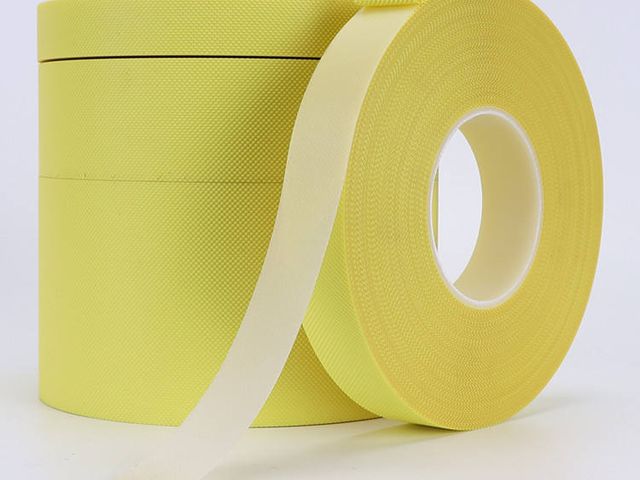
Flame Spray & Thermal Spray Tape
Foil-backed tape rated for flame spray and plasma spray particle heat.
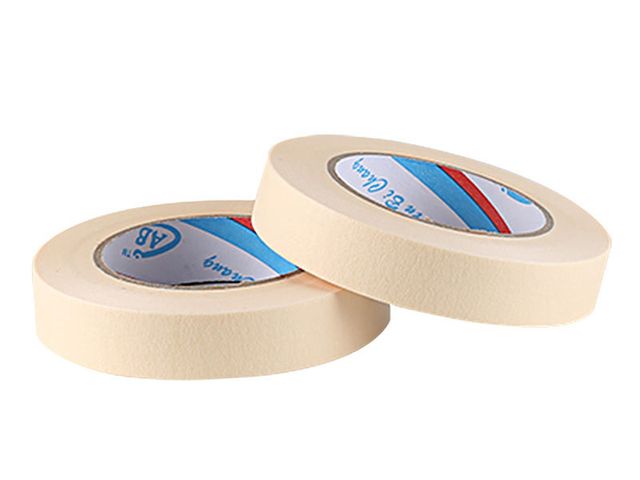
Flame Spray & Thermal Spray Tape
High-Temperature Crepe Paper Thermal Spray Tape for Aerospace & general metal fabrication lines - send your drawing for a matched quote.
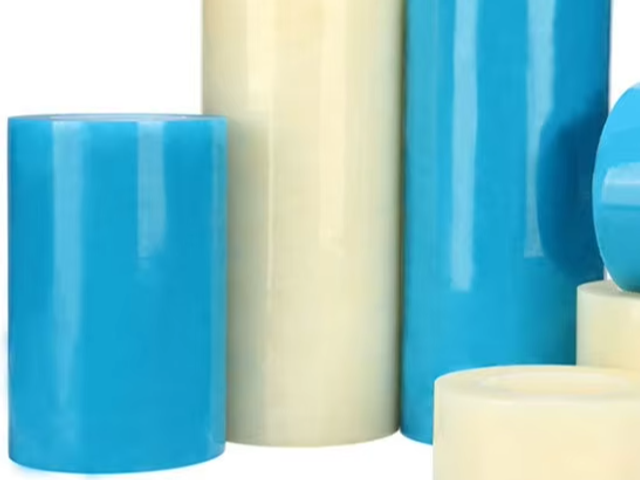
Polyimide & Specialty High-Temperature Tapes
High-Temperature Fiberglass Cloth Polyimide Masking Tape for PCB & electronics masking lines - send your drawing for a matched quote.
Send drawings, dimensions, material, environment or operating conditions, and we will help confirm the right specification.
Uploaded reference files are included with the inquiry. For larger CAD packages, reply to the confirmation email or send them here:
Our team typically replies within 24 business hours.