Technical
HDPE Masking for Plating: Film, Plugs & Caps Guide
HDPE masking for plating resists acids and alkalis up to 90°C. Compare film, plugs and caps for anodizing — get free HDPE masking samples at LeaderMasking.
HDPE masking for plating resists acids and alkalis up to 90°C. Compare film, plugs and caps for anodizing — get free HDPE masking samples at LeaderMasking.
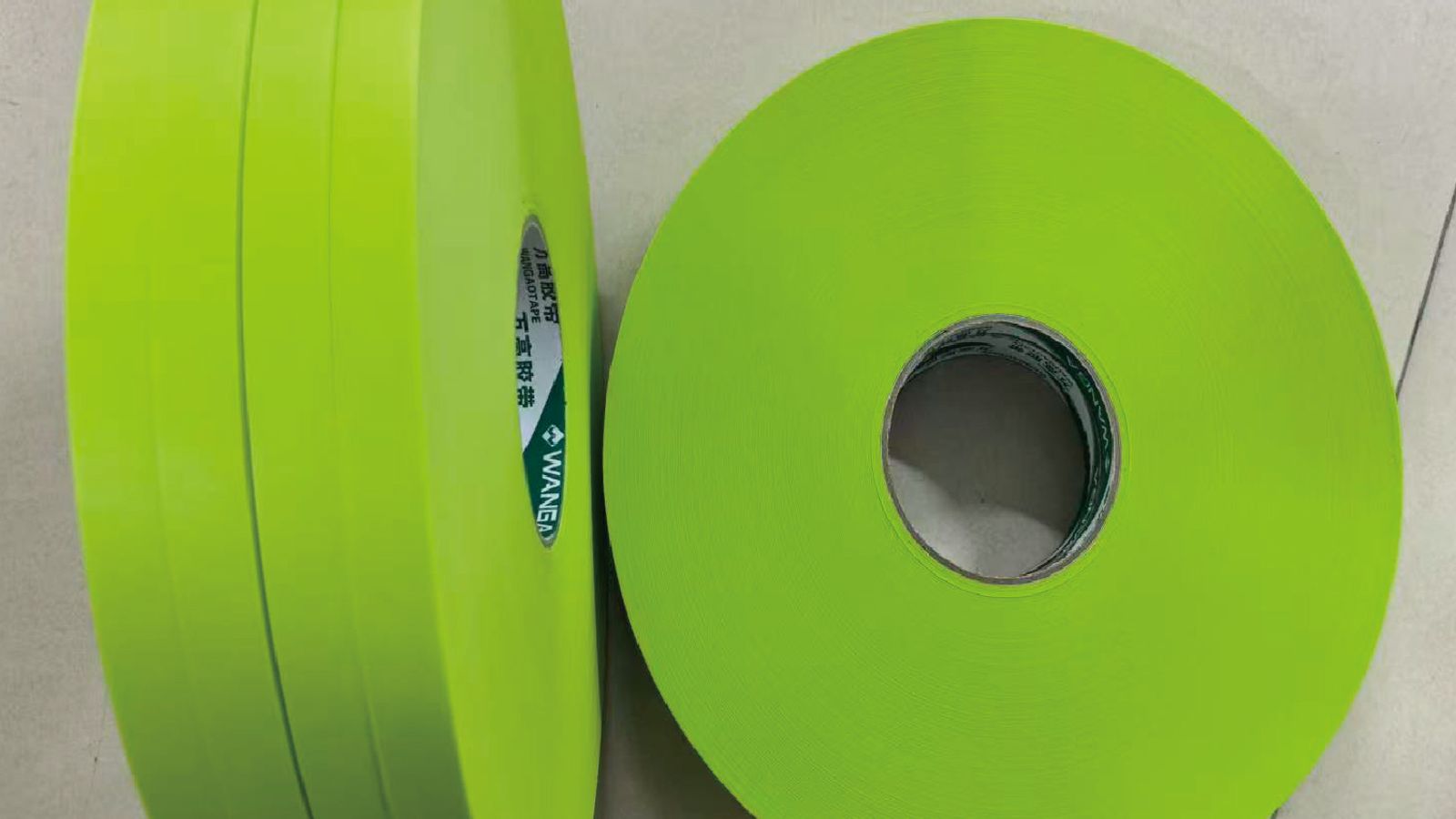
High-density polyethylene (HDPE) is the standard masking material for plating and anodizing because it is chemically inert, non-absorbent, and does not release ionic contamination into the bath. HDPE masking for plating resists dilute acids and alkalis as well as common nickel, zinc, copper, and chrome plating chemistries, and HDPE masking also withstands anodizing solutions such as dilute sulfuric acid at operating temperatures up to its continuous rating of approximately 90°C. Because it survives warm plating baths without swelling, dissolving, or contaminating the electrolyte, HDPE is the default low-cost choice for job shops that need reliable selective masking — and the format you choose, whether high density polyethylene masking tape, film, plugs, or caps, depends on the geometry of the part and the temperature of the bath.
Plating and anodizing baths are aggressive environments. A Watts nickel bath runs at 50–60°C with a low pH, zinc and copper plating solutions contain cyanide or acid chloride chemistries, decorative chrome baths operate in dilute chromic acid, and anodizing tanks are filled with 5–20% sulfuric acid at 15–25°C, or chromic and phosphoric acid for specialized finishes. Any masking material that touches these baths has to do two things: hold its shape and chemistry through the full dwell time, and stay clean enough not to poison the electrolyte.
HDPE satisfies both requirements better than any commodity material in its temperature class. It is a semi-crystalline polyolefin with no polar groups on its backbone, which makes it essentially unreactive to the dilute mineral acids, alkalis, and salt solutions used in metal finishing. Unlike rubber-based or porous materials, HDPE is non-absorbent — it does not soak up solution and then drip contaminated fluid back onto a part during racking or unloading. And because it contains no plasticizers, fillers, or heavy-metal stabilizers that can bleed out, HDPE masking does not introduce ionic contamination into the bath. That last point matters more than most engineers realize: a leaching stabilizer can build up in a nickel or chrome solution over weeks and cause pitting, dull deposits, or brightener problems that are very expensive to chase down.
For these reasons, HDPE is the workhorse material across the whole plating masking applications spectrum, from rack plating of machined components to barrel work where parts bump against each other and masks must hold position under mechanical agitation.
The single most important number to remember about HDPE masking is its continuous service temperature: roughly 90°C. Below that, HDPE holds its shape, keeps its seal at the masking edge, and resists the chemistries listed above for the dwell times typical of plating and anodizing cycles. Most plating baths operate well inside this envelope — nickel at 50–60°C, zinc at 35–45°C, copper at 40–60°C, and anodizing at 15–25°C — which is why HDPE is safe for nearly all of them.
Above 90°C, HDPE begins to soften and lose dimensional stability. The polymer does not melt suddenly like a metal; it progressively weakens, the film can wrinkle or pull away at the adhesive edge, and plugs can distort so they no longer seat cleanly in a bore. Brief excursions to 100–110°C are sometimes tolerated in practice, but you cannot design around it. That is the reason HDPE is a plating material and not an oven material: powder coating ovens run at 180–220°C, which is far beyond anything HDPE can survive. If your line combines plating with a powder coat or e-coat bake, you need a different masking strategy for the oven step — our powder coating masking guide covers the materials that handle both sides of that process.
The practical rule for procurement engineers: HDPE for anything below ~90°C in a liquid bath, silicone or PET for anything hotter, and never put HDPE in an oven. This single distinction drives most of the material selection errors we see in the field.
Once you have confirmed HDPE is the right material for your bath temperature, the next decision is format. Each product form solves a different masking problem, and most jobs use two or three of them on the same rack.
HDPE masking film is the answer for large, flat, or gently curved surfaces — the areas you want to protect from plating or from etch and anodize. Typical uses include masking the back faces of mounting plates, covering the flat lands of die castings, and protecting pre-machined datum faces during anodizing. Film goes down fast, conforms to large areas in a single piece, and can be die-cut to match irregular outlines so you are not hand-trimming every part. It is the most economical way to cover square inches of surface, which makes it the default for high-volume masking film for anodizing work where flat geometry dominates.
Caps and plugs handle the features film cannot reach. Caps slip over the outside of threaded studs, pipe fittings, and machined diameters to keep plating off OD threads and sealing surfaces. Plugs push into tapped holes, through-bores, and tube ends to keep solution out of internal threads and precision bores. Because HDPE is rigid enough to hold a press-fit yet flexible enough to snap over a thread without tearing, HDPE plugs and caps stay seated through racking, air agitation, and rinsing cycles. Our protective caps and tube plugs range covers the standard thread sizes and bore diameters you will meet on most parts.
Rack contact points are the third, often-forgotten, case. Where a part touches the rack, the contact area must stay bare for current to flow, while everything around it must be masked. A common technique is to mask the entire part with film, then peel back a small window at the contact point, or to apply caps in a ring pattern around a center contact. Getting this right matters most in hard coat anodizing and decorative chrome, where current density distribution and rack contact resistance directly affect finish quality.
HDPE masking film is manufactured in a range of thicknesses, typically from 0.1 mm up to 0.5 mm (roughly 4 to 20 mil), and the right gauge depends on the part geometry and how aggressive the bath is.
Thin film, around 0.1–0.15 mm, is flexible and economical. It conforms well to contoured surfaces and is easy to apply quickly across large areas, but it is vulnerable to tearing on sharp edges and to lifting in strongly agitated baths. Medium film, around 0.2–0.3 mm, is the general-purpose choice for most rack plating and anodizing work — it balances conformability with tear resistance and edge-holding strength. Thick film, 0.4 mm and up, is used where mechanical abuse is likely, such as barrel plating environments, or where you need a stiff mask that will not deform against a hot bath for long dwell times.
For production lines, the most cost-effective way to use HDPE film is as pre-cut shapes. Because masking is usually a repetitive operation — the same part, the same surfaces, every shift — die-cut shapes remove the variability of hand trimming and cut application time dramatically. The dedicated high-temperature HDPE masking film page give the standard gauges and adhesive options, and custom die-cutting to your part drawing is available so the mask lands exactly where it should, every time.
The adhesive system is part of the engineering too. Plating-grade HDPE film uses a solvent-free acrylic adhesive selected for clean removal, low outgassing, and resistance to the specific bath chemistry. A good rule of thumb: if a film's adhesive softens or leaves residue in your bath, the film was not designed for metal finishing, regardless of what the polyethylene layer is rated for.
HDPE is rarely the only option on the table, so it helps to benchmark it against the other workhorse masking materials. The table below is the data anchor most engineers need when writing a masking specification:
| Material | Max Continuous Temperature | Plating/Anodizing Bath Resistance | Typical Masking Use |
|---|---|---|---|
| HDPE | 90°C | Excellent against dilute acids and alkalis; resists nickel; zinc; copper; and chrome plating baths and dilute sulfuric/chromic anodizing solutions at operating temperature | Film for flat areas; plugs; caps; die-cut shapes |
| PVC | 60–80°C | Good in mild acids and alkalis at low temperatures; softens and creeps in warm plating baths | Flexible caps and low-temperature masking only |
| Silicone | 260°C | Chemically stable in plating and anodizing baths; also survives powder coating ovens and e-coat bakes | Reusable high-temperature plugs and caps |
| PET (polyester) | 150°C | Resists mild acids and many plating/anodizing chemistries; vulnerable to strong alkalis | Higher-temperature film and tape; hard anodizing masks |
The headline comparison for most buyers is HDPE vs silicone masking. Silicone wins on temperature by a wide margin — 260°C continuous against HDPE's 90°C — which is why high-temperature silicone masking plugs are the standard for oven-cured coatings and any bath that runs hot. Silicone is also genuinely reusable across many cycles and remains flexible at low temperatures. But silicone costs several times more per part than HDPE, and it is rarely justified for a 50°C nickel bath where HDPE does the job just as well. In practice, most shops keep both on hand: HDPE film and plugs for the bulk of plating and anodizing work, silicone for the hot jobs and ovens, and PET polyester film as the mid-temperature option when a mask must hold up to around 150°C.
PVC sits at the low end of the temperature range and is worth mentioning mainly to warn against it. PVC caps are cheap and flexible, but they soften noticeably in warm baths, can leave plasticizer residue behind, and should not be used above 60–80°C. If you are choosing between PVC and HDPE for a plating bath that runs above about 50°C, pick HDPE.
Masking is only half the job; removal is where many lines lose time. The good news is that HDPE masking is designed to come off cleanly. Plugs and caps simply pull or pry out after the cycle, and because HDPE is non-absorbent, they do not carry bath chemistry back onto the part. Wash them after removal and they can be reused across many cycles — a well-cared-for HDPE plug in a clean bath will often outlast dozens of runs before the fit gets loose or the surface degrades.
Film is more typically single-use. It is inexpensive enough that reusing it is usually not worth the labor, and a film that has been pulled from a part is rarely as flat or as well-adhered on the second application. The adhesive leaves little to no residue on clean, properly prepared substrates, and any trace residue wipes off with a mild solvent or aqueous cleaner — nothing aggressive is needed. For parts with machined surfaces, avoid adhesive creep into critical tolerance areas by choosing a die-cut that leaves a small clearance margin around the feature you are protecting.
Most HDPE masking problems are predictable, and they almost all trace back to one of three causes:
1. Using HDPE in an oven. This is the failure that costs real money. HDPE that goes through a powder coating cure or e-coat bake at 180°C+ will soften, warp, and fuse to the part, taking significant cleaning time to remove. If your process has any bake step, switch that mask to silicone or PET. High density polyethylene masking tape belongs in liquid baths, not thermal cure cycles.
2. Over-temperature bath distortion. A bath running at the top of its range, or a process engineer who assumes "plating temperature" always means 60°C, can push HDPE past its limit. The first sign is usually the film edge lifting or plugs starting to drift out of seating, followed by visible wrinkling. Verify actual bath temperature at the rack, not just the tank setpoint, and if any station routinely runs above ~90°C, upgrade that mask to a higher-temperature material.
3. Sharp edges tearing thin film. A 0.1 mm film stretched across a machined edge or burr will cut and lift during agitation, letting solution bleed under the mask. The fix is either a thicker gauge film, a die-cut shape that stops short of the sharp feature, or a plug-and-cap solution at the edge rather than film. On parts with many sharp corners, plan the masking layout around the edges rather than trying to make one continuous piece of film survive them.
A fourth, quieter failure mode is contamination-driven: masking stored in a dirty shop absorbs oil or shop dust, and that film then bleeds contamination into the bath. Keep masks in clean, covered storage and handle them with gloved hands to protect the bath you are paying to keep clean.
Yes. HDPE resists the dilute sulfuric, chromic, and phosphoric acid solutions used in most anodizing lines, and it operates comfortably within the 15–25°C range of standard anodizing tanks. It is a common choice for masking film for anodizing of flat surfaces and racking areas, including for anodizing applications. Hard anodizing at low temperature (0–10°C) is also within HDPE's envelope; the limitation is temperature, not chemistry.
HDPE has a continuous service temperature of approximately 90°C. It is safe for warm plating baths (nickel, zinc, copper, chrome) and anodizing solutions, which typically run between 15 and 65°C. It must not be used in powder coating ovens or any cure cycle above roughly 90–100°C, where it softens and deforms.
Yes. Because HDPE is non-absorbent and chemically inert, plugs and caps can be washed and reused across many cycles. Film is usually treated as single-use because it is economical and re-application is rarely worth the labor. Reuse life depends on bath cleanliness and how gently the parts are removed.
The practical difference is temperature and price. Silicone withstands up to 260°C and survives oven cure cycles, making it the right choice for powder coating and hot processes; HDPE is limited to about 90°C but costs substantially less and is ideal for plating and anodizing baths. For more detail on material selection, the HDPE film material guide and silicone product pages cover the full specification.
For most rack plating and anodizing, 0.2–0.3 mm medium-gauge film balances conformability and tear resistance. Use 0.1–0.15 mm for large flat areas and simple contours where economy matters, and 0.4 mm or thicker where parts see mechanical abuse in barrel lines or have sharp edges that would cut thin film.
Choosing the right HDPE masking for plating comes down to three questions: your bath chemistry, your bath temperature, and your part geometry. The fastest way to answer all three is to test real parts with real material, not to trust a spec sheet. LeaderMasking supplies HDPE masking film in multiple gauges, die-cut shapes, and a full line of plugs and caps, all engineered for plating and anodizing lines — and we will send you a free sample kit so you can run your own bath test before you commit to a production order. Request a quote or sample kit today at leadermasking-global.com and our engineers will help you spec the right material, thickness, and cut for your process.
Masking Films & Surface Protection
High-Temperature HDPE Masking Film for Automotive refinishing & OEM painting lines - send your drawing for a matched quote.
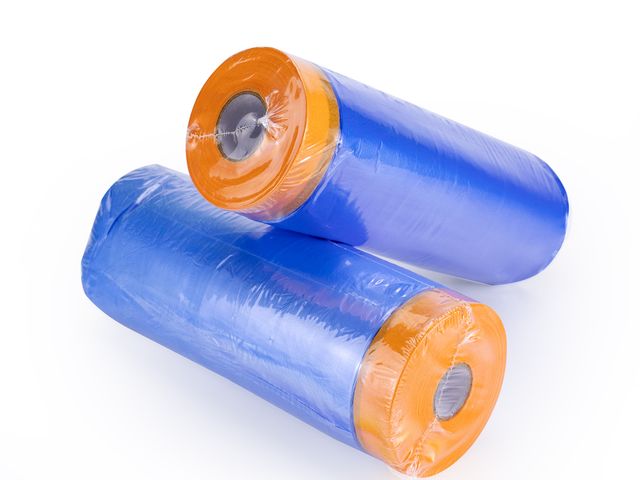
Masking Films & Surface Protection
High-Temperature Blue HDPE Masking Film for Automotive refinishing & OEM painting lines - send your drawing for a matched quote.
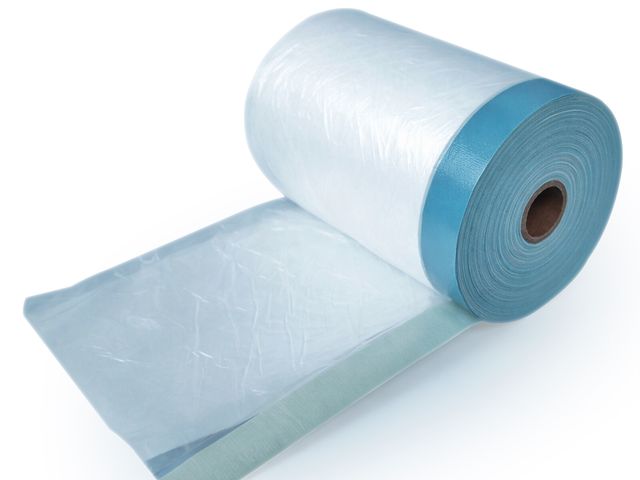
Masking Films & Surface Protection
HDPE Masking Film for Automotive refinishing & OEM painting lines - send your drawing for a matched quote.
Send drawings, dimensions, material, environment or operating conditions, and we will help confirm the right specification.
Uploaded reference files are included with the inquiry. For larger CAD packages, reply to the confirmation email or send them here:
Our team typically replies within 24 business hours.