Selection Guide
Reusable Silicone Masking: Calculating Cost per Cycle
Unit price is the wrong number. A worked example showing how to compare plugs against tape on cost per masked part — and when each one wins.
Unit price is the wrong number. A worked example showing how to compare plugs against tape on cost per masked part — and when each one wins.
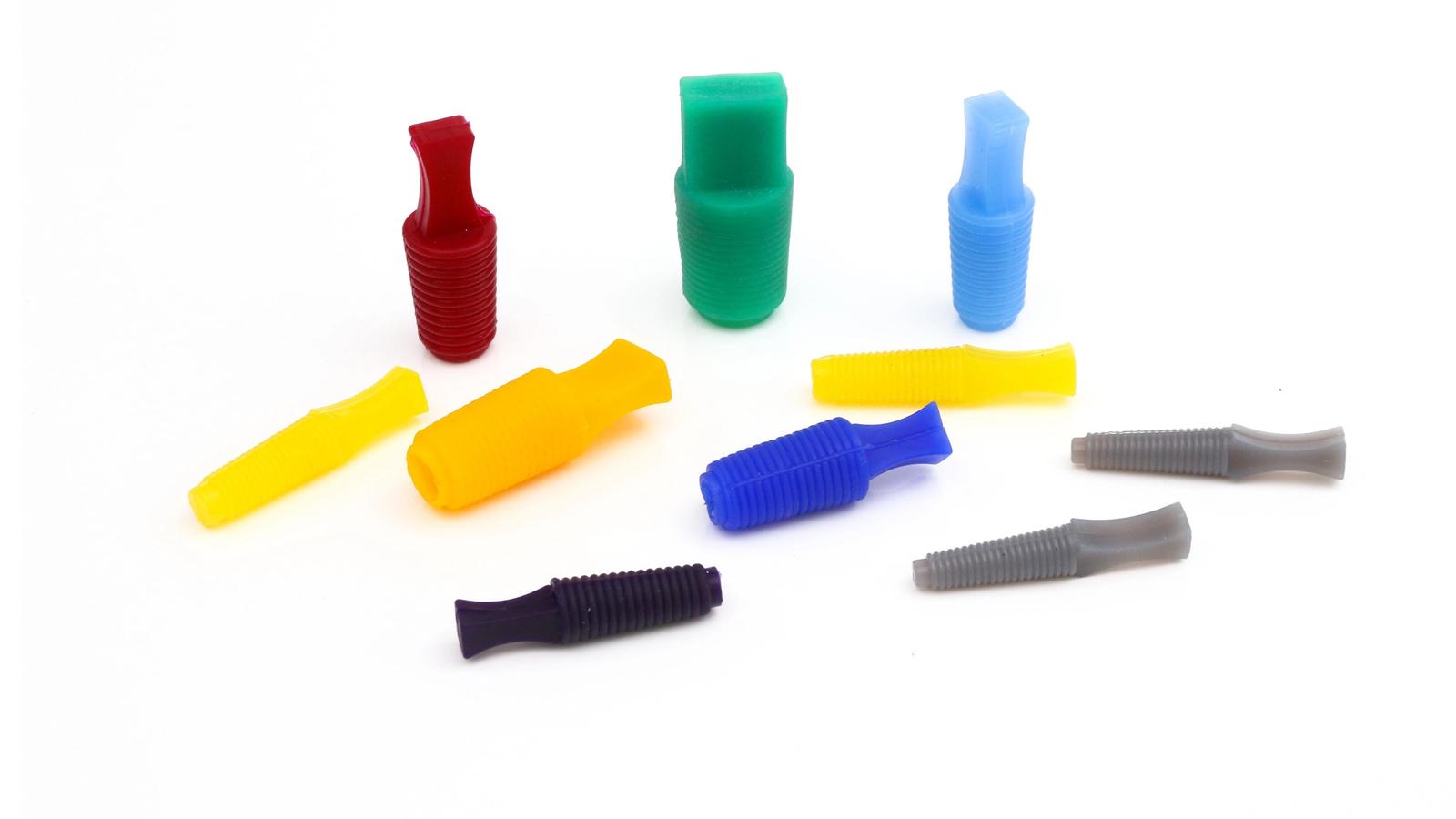
Purchasing sees a silicone plug quoted at many times the price of the tape that covers the same hole and asks the reasonable question: why? The answer is that the two numbers are not comparable. One is a consumable price; the other is a durable-tooling price. The comparable number is cost per masked part, and it takes five minutes to calculate.
For a reusable part: unit price divided by realistic cycle life, plus application labour per cycle. For tape: material per application, plus cutting and placing labour per cycle. Labour is the number shops forget — pushing a pull-plug into a hole takes a second or two; cutting tape, placing it, and burnishing the edge on the same hole takes many times that, every single cycle.
Take a part with six M8 threaded holes, coated 500 times a month. Plugs: six plugs at a typical unit price, retired conservatively at 60 cycles, cost fractions of a cent per hole per cycle in material; application adds a couple of seconds each. Tape: material is also cheap per hole — but application runs 15–30 seconds per hole with edge burnishing, and threads masked with tape carry a rework risk plugs simply do not have. Multiply the labour delta across six holes, 500 cycles and twelve months, and the plug program pays for itself inside the first month, before counting a single avoided rework.
The formula is honest in both directions. Short runs and one-off jobs never amortise a plug set. Features that change diameter week to week defeat a fixed size inventory. Flat faces are not plug territory at all. And genuinely low-volume shops may value the zero-inventory simplicity of tape more than the per-cycle saving. Reusable masking is a volume instrument — the more your features repeat, the harder it wins.
The calculation assumes plugs actually reach their cycle life, which is a handling question. Pull plugs out by the tab, not with pliers; store them in bins away from UV, solvents and the oven itself; and retire them on a count or at visible compression set rather than waiting for the first leaking part. A simple bin-per-size system with a monthly glance is all the management this needs — and it is the difference between the spreadsheet number and the real one.
Silicone Masking Plugs
Silicone Pull Plugs for Powder Coating for powder coating and thread masking work, with easy removal and reusable.

Silicone Masking Caps
Standard Silicone Masking Caps for stud masking and bolt masking work, with reusable and high heat resistance.
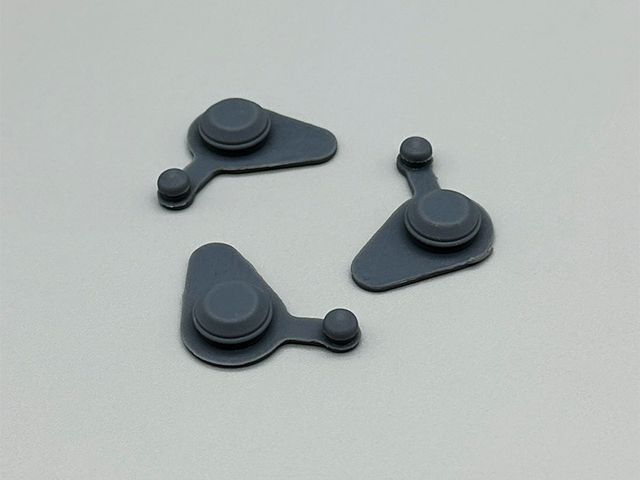
Silicone Masking Plugs
Multi-Purpose Silicone Hole Plugs for general hole masking and part protection work, with versatile geometry and broad size range.
Send drawings, dimensions, material, environment or operating conditions, and we will help confirm the right specification.
Uploaded reference files are included with the inquiry. For larger CAD packages, reply to the confirmation email or send them here:
Our team typically replies within 24 business hours.