Technical
High-Temperature Silicone Masking Caps: 260°C Continuous-Cure Performance Guide
High-temp silicone caps rated 260°C continuous protect threads, holes and ports through powder coating, anodizing and e-coat cure. Request free samples.
High-temp silicone caps rated 260°C continuous protect threads, holes and ports through powder coating, anodizing and e-coat cure. Request free samples.
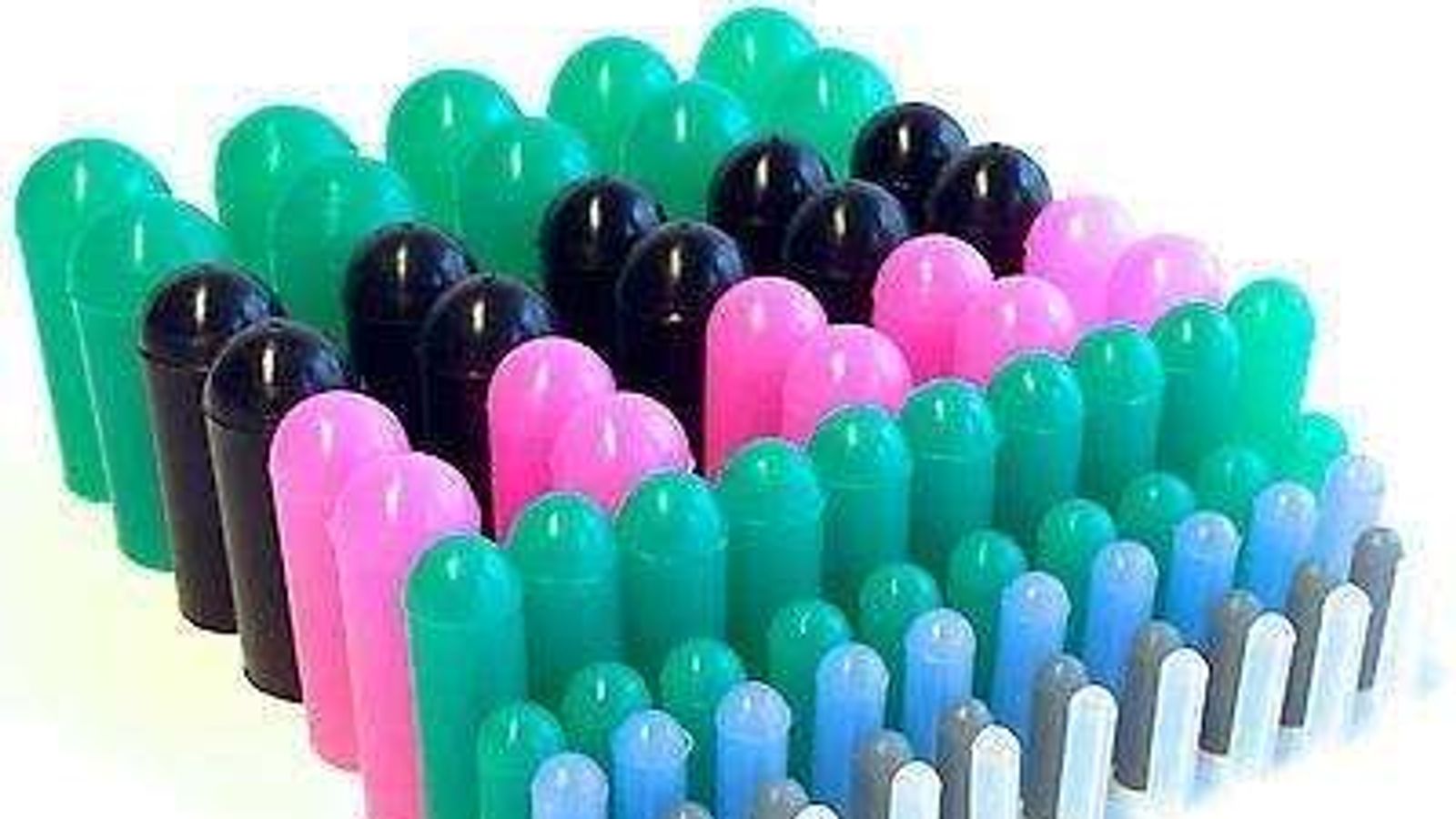
High-temperature silicone masking caps are flexible, heat-resistant covers molded from cured silicone rubber — typically 50–70 Shore A hardness — that fit over threaded studs, bolts, ports, drilled holes, and other exposed features to shield them from paint, powder, anodizing chemistry, and plating solution during surface-finishing processes. A high-temperature silicone masking cap rated for 260°C continuous service, with short-term excursions up to 315°C, comfortably survives a standard powder-coating oven cure of 180–200°C for 15–30 minutes, an e-coat bake of 160–190°C, and remains chemically stable in anodizing baths held at 15–25°C. Because they tolerate repeated thermal cycling without melting, degrading, or leaving residue, silicone caps are reusable across dozens of finishing cycles. That combination of thermal headroom, chemical resistance, and reusability is why high-temperature silicone masking caps are the default masking solution for job shops, powder coaters, anodizers, and OEM finishing lines.
The single most important specification for a masking cap is its continuous service temperature, because it determines whether the cap survives the heat of the finishing process intact. Every major industrial coating process imposes a distinct thermal profile:
A silicone cap rated 260°C continuous / 315°C short-term gives you a thermal safety factor of roughly 60–80°C above the hottest standard cure cycle. That margin is not theoretical: oven hot spots, rack position, and oven recovery spikes can push a "200°C" powder cycle closer to 220°C for short periods. A cap rated to 260°C absorbs those spikes without softening; a PVC or nylon cap rated at 70–90°C cannot. Silicone's 50–70 Shore A hardness also means the cap stays supple enough to seal against complex part geometries at oven temperature rather than turning brittle and cracking during removal.
Manufacturers produce silicone caps in four primary styles, each engineered for a specific masking job. Choosing the right profile reduces fit failures, prevents overspray bleed, and extends cap life.
Dome caps are hemispherical covers that fit over the end of a threaded stud, bolt, or tube. The rounded crown sheds powder evenly and provides a generous lead-in radius that makes them easy to seat and pull off, even when a gloved operator is working a hot rack. Dome caps are the best choice for protecting external threads, tube ends, and sharp edges that would otherwise collect powder and require secondary deflashing. Because the dome is typically a slightly larger diameter than the cap's internal opening, it also tolerates minor thread-diameter variation without losing grip.
Standard straight caps have a uniform cylindrical bore and are designed for caps where the part diameter is consistent. A straight cap grips along its full depth, which makes it the preferred profile for smooth studs, pipe ends, and any feature where you want maximum pull-off force. Straight caps are also the easiest profile to size, since the internal diameter is constant from mouth to tip, and they are the style most commonly stocked in metric and imperial size ranges. Many finishers use them for universal thread protection where the cap will seat against the thread crests.
Tapered caps narrow from the open mouth toward the closed end, giving them a wedge-like interference fit. As you push a tapered cap over a stud or into a hole, the increasing interference locks it in place, creating a tighter seal than a straight cap of the same nominal size. Tapered caps are the right choice for parts that vibrate or shift on the rack, for horizontal masking where gravity could pull a loose cap off, and for applications where slight size variation between similar parts means you need one cap to cover a small size range. The taper also makes them self-aligning, so operators seat them faster on high-volume lines.
Threaded-hole caps are shaped like plugs with a full or partial external thread profile, designed to mask threaded holes, tapped ports, and fittings that must remain perfectly clean for fasteners or sensors. A threaded-hole cap screws into the thread form, displacing any liquid that would otherwise wick into the helix, and it protects the thread crests from impact and from coating build-up. Threaded-hole caps are indispensable in anodizing and plating, where solution trapped in a tapped hole will bleed out later and cause corrosion, and in powder coating, where powder that bridges across a hole mouth must be knocked out manually.
All four styles are available in standard silicone masking caps with color-coded options such as red and transparent silicone, which helps finishers identify cap sizes at a glance on the rack and confirm at a distance that every feature is covered before the line runs.
The materials used for masking caps are not interchangeable, and the difference shows up first in the oven. Understanding the real thermal limits of each material prevents the classic failure mode where a "rubber cap" softens, sags, or welds itself to a hot part.
Silicone is a thermoset elastomer with a silicon–oxygen backbone rather than a carbon backbone. That structure gives it outstanding thermal stability: continuous service to 260°C, short-term exposure to 315°C, and low-temperature flexibility down to roughly −55°C. Silicone does not melt — it gradually loses elasticity only after prolonged exposure well beyond its rated ceiling — and it resists ozone, UV, and most finishing chemicals. Its 50–70 Shore A hardness range is soft enough to seal without crushing delicate threads but firm enough to hold its shape during removal.
EPDM (ethylene-propylene-diene monomer) is an excellent general-purpose elastomer with good weather resistance and reasonable chemical resistance, but its continuous service ceiling is only around 130–150°C, with a practical short-term maximum near 175°C. That makes EPDM marginal for powder coating cure cycles of 180–200°C: a single cycle may survive, but the rubber hardens, surface-crazes, and degrades after one or two bakes, and the part release becomes progressively harder. EPDM is better suited to plating and anodizing applications at low temperature, where its lower cost is an advantage and heat is not the constraint.
PVC (polyvinyl chloride) is a thermoplastic that softens dramatically around 70–80°C and begins to degrade — discoloring and releasing chlorine-based decomposition products — well below any oven cure temperature. PVC caps cannot be used in powder coating or e-coat ovens, period. They also tend to contain plasticizers that can migrate onto a part surface, leaving a contamination film that interferes with adhesion of later coatings. PVC remains useful only for low-temperature masking such as painting or ambient-temperature plating, where its low price justifies single-use economics.
The practical conclusion: if your process runs above roughly 150°C for any sustained period, silicone is not a premium option — it is the minimum viable material. The thermal data is summarized in the comparison table below. Silicone's combination of properties comes from the material itself, and you can review the full silicone material profile for hardness, elongation, and chemical-resistance details.
Sizing errors are the most common cause of masking failures, and they are almost always avoidable. The rule is simple: measure the part, not the cap. Cap size is defined by its internal diameter (ID), which is the dimension that grips the part. You must match the cap ID to the outside diameter (OD) of the feature you are masking, allowing for a small interference fit.
For external threads, the critical dimension is the major diameter of the thread — the largest diameter across the crests. A cap with an ID slightly smaller than the thread's major diameter (typically 0.2–0.5 mm, or 0.008–0.02 inch, smaller) will stretch over the crests and grip into the root, creating a positive seal. If the cap ID is larger than the thread major diameter, the cap floats loosely, coating migrates underneath, and you lose the mask.
For plain studs, tubes, and ports, match the cap ID to the measured OD of the feature. For internal holes, the equivalent selection is a cap or plug whose OD matches the hole's ID; a slight interference provides the seal, but excessive interference on thin-wall or fragile features can distort the part or make removal difficult.
Manufacturers publish cap sizes in both metric millimeters (mm) and imperial inches, and a quality range will offer the same nominal sizes in both systems. When you are working from a threaded specification, convert the thread size to the major diameter — for example, an M6 thread has a major diameter of 6 mm, a M8 thread 8 mm, a 1/4-20 thread a major diameter of 0.25 inch (6.35 mm). Then select a cap ID a fraction smaller than that value. Do not rely on the thread designation alone, because thread series (coarse vs fine) share the same major diameter.
Two practical checks prevent the most common sizing mistakes:
When in doubt, the finish shop's safest approach is to size for a modest interference fit and confirm by a trial run through the actual oven cycle. Our silicone masking caps range is stocked in both metric and imperial sizes to cover the full spectrum of threaded and plain features.
The true cost of a masking cap is not its purchase price — it is the cost per use, which divides the price by the number of finishing cycles the cap survives. This is where silicone's economics become compelling despite its higher unit price.
A disposable PVC cap that costs one-third as much as a silicone cap but is thrown away after a single cycle is more expensive per cycle than a silicone cap that survives 30–50 cycles. In a typical powder-coating line running 200°C cures, high-temperature silicone caps commonly last dozens of cycles before the operator notices loss of elasticity, surface crazing, or a loosening of the interference fit. Even a conservative estimate of 20 usable cycles puts silicone at a cost per cycle that is a fraction of single-use alternatives, once you also factor in the labor saved by not re-masking and the reduction in rework from failed masks.
Beyond the cap price, reuse economics include four hidden savings:
To calculate cost per cycle for your line: take the unit price, add the handling labor per cycle, divide by the expected cycle life, and compare across materials. For any process with oven cure temperatures above 150°C, silicone almost always wins that calculation, and the gap widens as throughput rises. For the highest-volume operations, asking the manufacturer about cycle-life data for your specific process — powder, anodize, e-coat, or plating — lets you model the economics before you buy.
Powder coating is the most demanding thermal application for masking caps because it combines oven cure heat with the mechanical stripping action of powder impact. Caps must survive the 180–200°C cure for 15–30 minutes, hold their position while parts travel the conveyor, and then release cleanly when the operator pulls them from a still-warm part. Silicone's 260°C continuous rating leaves ample margin, and its 50–70 Shore A flexibility keeps it seated on the rack through conveyor vibration. Dome and straight caps protect threaded studs and tube ends; tapered caps handle horizontal studs where gravity works against you. For powder coaters who want a full masking strategy, see our powder coating masking guide.
Anodizing operates at low temperature — baths at 15–25°C — so the failure mode is chemical, not thermal. Sulfuric acid anodizing baths, and especially hard-coat anodizing electrolytes, attack ordinary rubbers and can contaminate the bath with dissolved plasticizers. Silicone is inert in anodizing chemistry, holds its dimensions in the acid, and — critically — does not shed material into the bath, protecting both the part and the tank chemistry. Threaded-hole caps are essential here: solution that wicks into a tapped thread will bleed out during sealing and cause white corrosion staining weeks later. Silicone caps also withstand the hot water sealing step (typically 90–100°C) that follows anodizing, which eliminates the need to re-mask between the bath and the seal. Our anodizing application page covers racking and masking strategy in more depth.
E-coating is unique because the part is fully immersed in an aqueous paint bath and then baked at 160–190°C. Caps must seal tightly enough to keep the bath out of threads and blind holes while surviving the bake afterward. Silicone's combination of a positive interference seal and 260°C heat rating makes it the standard choice for e-coat masking. Straight and tapered caps work for external features, while threaded-hole caps keep the water-borne bath from trapping liquid in tapped features — trapped e-coat liquid drains poorly and leaves an un-cured film that contaminates the final bake.
Plating baths run at 40–60°C with strong acid, alkaline, or cyanide chemistries depending on the metal being deposited. Silicone resists these solutions and, unlike some plastics, will not absorb bath chemicals and later bleed them onto the part during rinsing or drying. For selective plating — where only one area of a part is to be coated — a tapered cap provides the tightest barrier against bath ingress. Because plating is lower in temperature, silicone caps used only for plating can see very long service lives, often hundreds of cycles, before replacement.
| Property | Silicone Caps | EPDM Caps | PVC Caps |
|---|---|---|---|
| Continuous service temperature | 260°C | 130–150°C | ~70°C |
| Short-term peak temperature | 315°C | ~175°C | Deforms before 100°C |
| Powder coating cure (180–200°C) | Yes; reusable | Marginal; single-use | No |
| E-coat bake (160–190°C) | Yes; reusable | Risky; degrades | No |
| Anodizing bath (15–25°C) | Excellent resistance | Good | Fair; plasticizer risk |
| Plating baths (40–60°C) | Excellent resistance | Good | Fair |
| Shore A hardness | 50–70 | ~60–70 | Hard; brittle at cold |
| Residue on part | None | Possible bloom | Plasticizer film |
| Reusability | High (dozens of cycles) | Low–moderate | Single-use |
| Relative cost per unit | Moderate–high | Low | Very low |
| Cost per cycle (hot processes) | Lowest | High | Highest |
What is the maximum working temperature of silicone masking caps? High-temperature silicone masking caps are rated for 260°C continuous service, with short-term excursions up to 315°C. That rating covers the standard powder coating oven cure of 180–200°C for 15–30 minutes and e-coat bakes of 160–190°C with a comfortable safety margin.
Can silicone masking caps be reused? Yes. Silicone caps are routinely reused for dozens of finishing cycles. In a typical 200°C powder coating operation, a silicone cap will survive many cycles before the operator notices a loss of elasticity or loosening of the grip, which makes the cost per cycle lower than single-use PVC or EPDM.
How do I choose between a dome cap, straight cap, and tapered cap? Use a dome cap for studs, bolts, and tube ends where you want easy seating and removal. Use a standard straight cap for consistent-diameter features that need maximum grip along the full cap depth. Use a tapered cap where you need a tighter wedge seal, where parts vibrate, or where slight size variation exists between parts.
Are silicone caps safe for anodizing and plating chemistry? Yes. Silicone is chemically inert in sulfuric acid anodizing baths, plating electrolytes, and the hot water sealing step used after anodizing. It does not swell, dissolve, or leach plasticizers into the bath, which protects both the part and the tank chemistry.
Do silicone masking caps leave residue on the part? No. Properly selected and temperature-rated silicone caps leave no residue on the part after removal. This is a key advantage over PVC, whose plasticizers can migrate onto the part surface, and over EPDM that has been overheated, which can leave a surface film.
Because cap fit, cycle life, and chemical compatibility depend on your specific part geometry and process temperatures, we recommend verifying with real hardware before committing to production quantities. Request free samples of high-temperature silicone masking caps in the styles and sizes you need — specify your part feature dimensions (thread size or stud/port OD), the finishing process (powder coating, anodizing, e-coating, or plating), and your oven cure temperature. We will supply matched samples across the borderline diameters so you can confirm the interference fit on your actual parts, through your actual oven cycle, before you scale up. Contact us today to request samples, and our engineers will help you select the right cap style, size range, and color coding for your masking line.
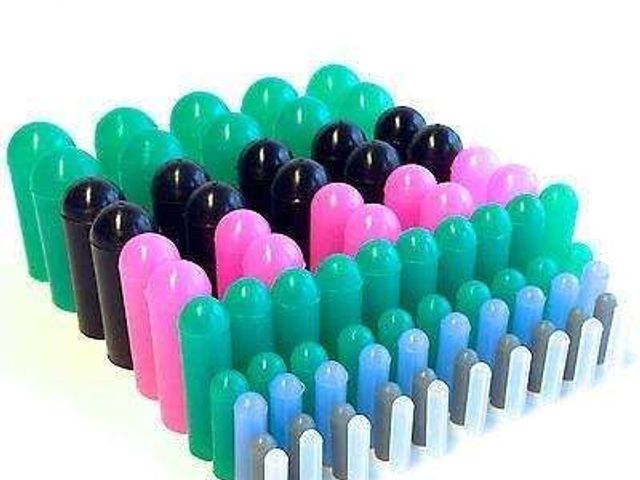
Silicone Masking Caps
High-Temperature Silicone Masking Cap for Powder coating lines - send your drawing for a matched quote.
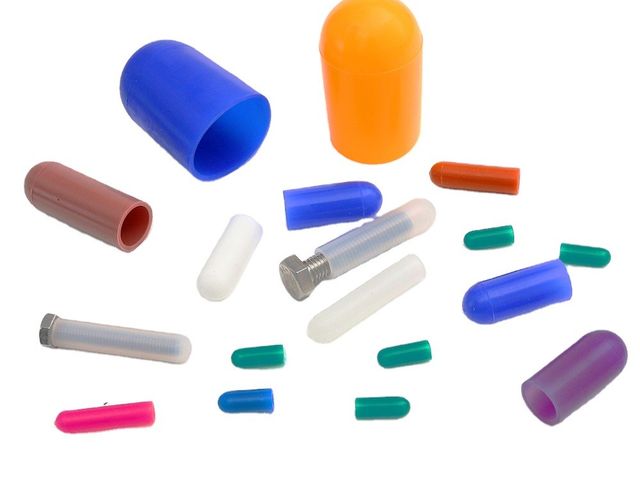
Silicone Masking Caps
Standard Silicone Masking Caps for stud masking and bolt masking work, with reusable and high heat resistance.
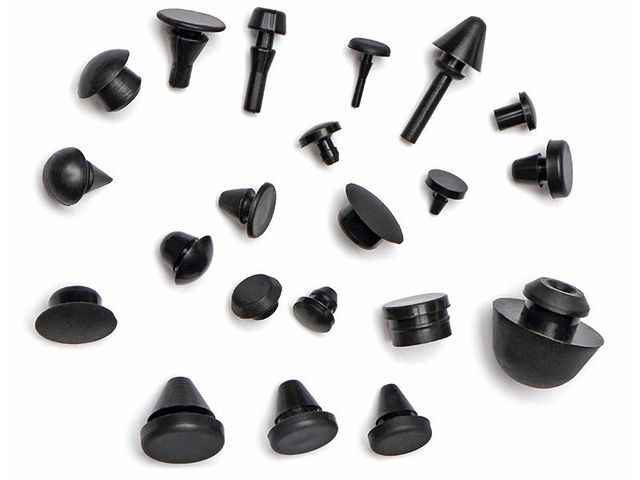
Silicone Masking Caps
Red Silicone Masking Cap for Powder coating lines - send your drawing for a matched quote.
Send drawings, dimensions, material, environment or operating conditions, and we will help confirm the right specification.
Uploaded reference files are included with the inquiry. For larger CAD packages, reply to the confirmation email or send them here:
Our team typically replies within 24 business hours.